Blog Post: The Impact of Smoking and Alcohol on Your Preconception Plan
Preparing for pregnancy is an exciting and important time for couples. It involves making healthy lifestyle choices to ensure the best possible outcome for both the mother and baby. However, many couples may not be aware of the negative impact that smoking and alcohol can have on their preconception plan. In this blog post, we will discuss the harmful effects of smoking and alcohol on fertility and pregnancy, and provide tips for quitting these habits to improve your chances of conceiving and having a healthy pregnancy.
Smoking and Fertility
Smoking has been linked to a variety of health problems, including heart disease, lung cancer, and stroke. However, many people may not realize that smoking can also have a detrimental effect on fertility. In women, smoking can damage the reproductive system, causing hormonal imbalances, irregular menstrual cycles, and decreased egg quality. It can also increase the risk of miscarriage and ectopic pregnancy. In men, smoking can decrease sperm count and motility, making it more difficult to conceive.
Smoking during pregnancy can also have serious consequences for the baby. It increases the risk of preterm birth, low birth weight, and birth defects. Babies born to mothers who smoke are also more likely to have respiratory problems, feeding difficulties, and developmental delays.
Alcohol and Fertility
Alcohol consumption has also been linked to fertility issues in both men and women. In women, heavy drinking can disrupt the menstrual cycle and decrease the chances of ovulation. It can also lead to hormonal imbalances and increase the risk of miscarriage. In men, excessive alcohol consumption can lower testosterone levels and affect the quality and quantity of sperm.
Pregnant women who continue to drink alcohol put their babies at risk for fetal alcohol spectrum disorders (FASDs), which can cause physical, behavioral, and cognitive abnormalities. The most severe form of FASD is fetal alcohol syndrome, which can result in facial deformities, growth deficiencies, and developmental delays.
Quitting smoking and alcohol for a Preconception Plan
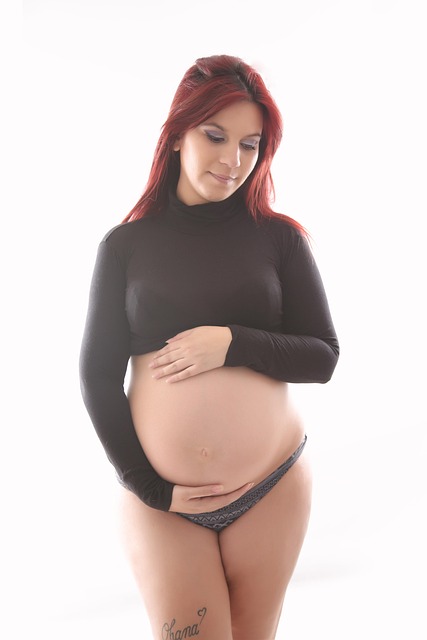
The Impact of Smoking and Alcohol on Your Preconception Plan
If you and your partner are planning to conceive, it is crucial to quit smoking and limit or eliminate alcohol consumption. Here are some tips to help you quit these habits and improve your chances of having a healthy pregnancy:
1. Set a quit date: Choose a day to quit smoking and stick to it. Mark it on your calendar and make a plan to deal with any withdrawal symptoms.
2. Seek support: Tell your friends and family about your decision to quit and ask for their support. You can also join a support group or seek counseling to help you stay on track.
3. Find healthy coping mechanisms: Smoking and drinking may have been your go-to stress relievers, but there are many healthier ways to cope with stress, such as exercising, deep breathing, or talking to a friend.
4. Avoid triggers: Identify the situations or people that may tempt you to smoke or drink and try to avoid them. If you cannot avoid them, have a plan in place to deal with the temptation.
5. Replace unhealthy habits with healthy ones: Instead of smoking or drinking, find a new hobby or activity to occupy your time. This can help you break the cycle of addiction and improve your overall health.
6. Seek professional help: If you are having a hard time quitting, do not be afraid to seek professional help. There are many resources available, such as nicotine replacement therapy, counseling, and medication, to help you quit smoking.
7. Limit alcohol consumption: If you are not ready to quit alcohol completely, it is important to limit your consumption. The Centers for Disease Control and Prevention (CDC) recommends no more than one drink per day for women and two drinks per day for men.
Summary:
Preparing for pregnancy involves making healthy lifestyle choices, and quitting smoking and limiting alcohol consumption are crucial steps. Smoking and alcohol can have negative effects on fertility and pregnancy, including hormonal imbalances, decreased egg and sperm quality, and increased risk of miscarriage and birth defects. To improve your chances of conceiving and having a healthy pregnancy, set a quit date, seek support, find healthy coping mechanisms, avoid triggers, replace unhealthy habits, and seek professional help if needed. Limiting alcohol consumption is also important for a preconception plan. By quitting these habits, you can improve your overall health and increase the chances of a successful pregnancy.