Blog Post:
Fertility is a topic that has been discussed and researched for centuries, especially in Middle Eastern cultures. In these cultures, the ability to conceive and bear children is highly valued and seen as a blessing. As a result, there are various foods and herbs that have been used to boost fertility and increase the chances of conception. In this blog post, we will explore the traditional fertility foods and herbs used in Middle Eastern cultures and their benefits.
Fertility Foods:
1. Dates:
Dates are a staple fruit in Middle Eastern cuisine and have been used for centuries as a fertility food. They are rich in essential vitamins and minerals such as iron, calcium, and magnesium that help regulate hormones and promote healthy egg production. Dates are also a good source of natural sugars, which provide energy and support reproductive health.
2. Pomegranate:
Pomegranates have long been associated with fertility and are considered a symbol of fertility and prosperity in many Middle Eastern cultures. The fruit is rich in antioxidants and vitamins C and E, which help improve fertility by protecting the eggs from damage and promoting healthy sperm production. Pomegranate juice has also been found to increase blood flow to the uterus, creating a more conducive environment for implantation.
3. Almonds:
Almonds are a popular snack in Middle Eastern cultures and are also believed to boost fertility. They are a rich source of vitamin E, which is essential for reproductive health. Vitamin E helps improve sperm quality and motility in men and promotes healthy ovulation in women. Almonds are also a good source of healthy fats, which are necessary for hormone production.
4. Honey:
Honey has been used for its medicinal properties since ancient times, including promoting fertility. In Middle Eastern cultures, honey is often consumed as a remedy for infertility. It is rich in antioxidants and contains natural sugars that provide energy and support reproductive health. Honey is also believed to improve the quality of sperm in men and promote healthy ovulation in women.
5. Sesame Seeds:
Sesame seeds are commonly used in Middle Eastern cuisine and are also considered a fertility food. They are a rich source of zinc, which is crucial for reproductive health. Zinc helps regulate hormone levels and improve sperm quality in men. In women, zinc deficiency has been linked to irregular menstrual cycles and ovulation problems.
6. Figs:
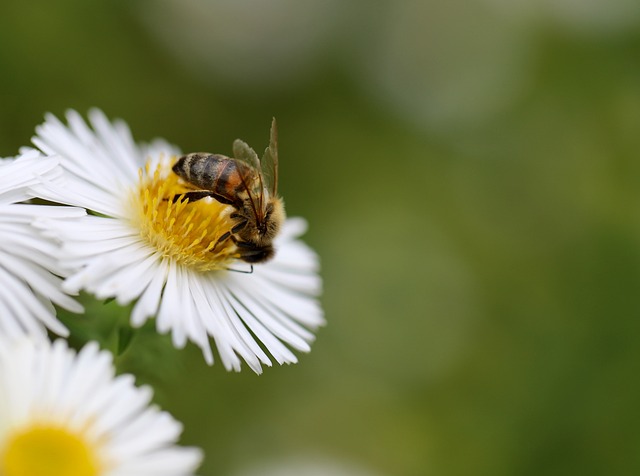
Fertility Foods and Herbs in Middle Eastern Cultures
Figs have been used as a fertility food in Middle Eastern cultures for centuries. They are high in iron, which is essential for healthy egg production and ovulation. Figs are also a good source of potassium, which helps balance hormones and regulate menstrual cycles. In addition, figs contain natural sugars that provide energy and support reproductive health.
Fertility Herbs:
1. Black Seed:
Black seed, also known as Nigella sativa, has been used in Middle Eastern cultures for its medicinal properties, including promoting fertility. It is rich in antioxidants and contains compounds that have been found to improve sperm quality and count in men. Black seed is also believed to help regulate menstrual cycles and improve ovulation in women.
2. Fenugreek:
Fenugreek is a common herb used in Middle Eastern cuisine and is also believed to boost fertility. It contains compounds that help regulate hormone levels and improve sperm production in men. In women, fenugreek has been found to promote healthy ovulation and increase the chances of conception.
3. Saffron:
Saffron has been used as a fertility herb in Middle Eastern cultures for centuries. It is rich in antioxidants and has been found to improve sperm quality and motility in men. Saffron is also believed to help regulate menstrual cycles and improve egg quality in women.
4. Cinnamon:
Cinnamon is a popular spice in Middle Eastern cuisine and is also used as a fertility herb. It contains compounds that help regulate blood sugar levels, which is important for fertility. High levels of blood sugar can disrupt ovulation and reduce fertility in women. Cinnamon also has anti-inflammatory properties that may help improve sperm quality in men.
5. Ginger:
Ginger is a versatile herb used in many Middle Eastern dishes and is also believed to promote fertility. It has anti-inflammatory properties that may help improve sperm quality and motility in men. Ginger is also a good source of antioxidants and has been found to regulate menstrual cycles and improve ovulation in women.
Overall, Middle Eastern cultures have a rich history of using traditional foods and herbs to promote fertility. These foods and herbs are not only beneficial for reproductive health but also provide other nutritional benefits. It is important to note that while these foods and herbs may aid in fertility, they should not be used as a substitute for medical treatment. Consult with a healthcare professional before incorporating them into your diet.
In summary, Middle Eastern cultures have a long-standing tradition of using fertility foods and herbs to promote reproductive health. These include dates, pomegranates, almonds, honey, sesame seeds, and figs, as well as herbs such as black seed, fenugreek, saffron, cinnamon, and ginger. These foods and herbs are rich in essential vitamins, minerals, and compounds that help regulate hormones, improve sperm quality, and promote healthy ovulation. However, it is important to consult with a healthcare professional before incorporating them into your diet.