Blog Post:
The Fertility-Friendly Diet: 23 Tips for Planning Your Meals
When it comes to trying to conceive, many people focus on lifestyle changes like exercise and stress reduction. However, one often overlooked factor is diet. What you eat can have a significant impact on your fertility and overall reproductive health. In this blog post, we will explore the fertility-friendly diet and provide 23 tips for planning your meals to increase your chances of conception.
1. Focus on Whole Foods
The foundation of any fertility-friendly diet should be whole, unprocessed foods. These include fruits, vegetables, whole grains, lean proteins, and healthy fats. Processed foods tend to be high in unhealthy fats, added sugars, and preservatives, which can disrupt hormone balance and decrease fertility.
2. Incorporate Healthy Fats
Healthy fats are essential for hormone production and reproductive health. Include sources like avocados, nuts, seeds, and fatty fish in your meals to boost your intake of omega-3 fatty acids, which have been linked to improved fertility.
3. Choose Organic When Possible
Pesticides and other chemicals used in conventional farming have been linked to fertility issues. Whenever possible, choose organic produce and meat to reduce your exposure to these harmful substances.
4. Don’t Skimp on Protein
Protein is an essential building block for hormones, and it’s crucial to include enough in your diet. Aim for lean protein sources like chicken, fish, beans, and lentils.
5. Limit Caffeine and Alcohol Intake
Excessive caffeine and alcohol consumption have been linked to decreased fertility. Limit your intake of both to increase your chances of conception.
6. Load Up on Antioxidants
Antioxidants are crucial for reproductive health as they help protect cells from damage. Include plenty of colorful fruits and vegetables in your diet, as well as antioxidant-rich herbs like turmeric and ginger.
7. Watch Your Portion Sizes
Maintaining a healthy weight is essential for fertility, and portion control is crucial. Use measuring cups and food scales to ensure you’re not overeating.
8. Aim for a Balanced Plate
Aim for a balanced meal that includes a source of protein, complex carbohydrates, and healthy fats. This will help keep your blood sugar stable and provide your body with the nutrients it needs for reproductive health.
9. Don’t Skip Breakfast
Starting your day with a nutritious breakfast is essential for hormone balance and fertility. Include protein, healthy fats, and complex carbohydrates to keep you feeling full and energized throughout the morning.
10. Stay Hydrated
Drinking enough water is crucial for overall health, including reproductive health. Aim for at least eight glasses of water a day and limit sugary drinks.
11. Avoid Trans Fats
Trans fats, often found in processed and fried foods, have been linked to decreased fertility. Avoid foods with hydrogenated oils in the ingredient list.
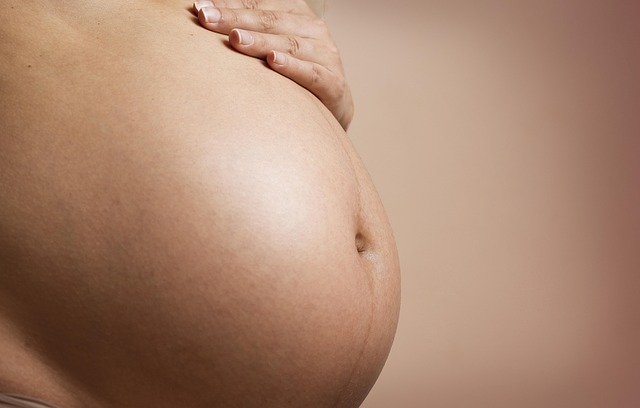
The Fertility-Friendly Diet: 23 Tips for Planning Your Meals
12. Choose Whole Grains
Refined grains like white bread and pasta can cause a spike in blood sugar, which can disrupt hormone balance. Choose whole grains like quinoa, brown rice, and whole-wheat bread for a healthier alternative.
13. Include Probiotics
Probiotics are beneficial bacteria that can support gut health, which is crucial for hormone balance. Include sources like yogurt, kimchi, and sauerkraut in your diet.
14. Don’t Cut Out Carbs Entirely
While it’s essential to limit refined carbohydrates, cutting out carbs entirely can also be detrimental to fertility. Complex carbohydrates like sweet potatoes, beans, and lentils provide your body with energy and essential nutrients.
15. Use Healthy Cooking Methods
How you prepare your food can impact its nutritional value. Avoid deep-frying and opt for healthier cooking methods like baking, broiling, and grilling.
16. Limit Processed Meats
Processed meats like deli meat, bacon, and hot dogs have been linked to decreased fertility. Limit your intake and opt for lean, unprocessed meats instead.
17. Include Iron-Rich Foods
Iron is crucial for reproductive health, so make sure to include iron-rich foods like leafy greens, beans, and lean meats in your meals.
18. Don’t Forget About Vitamin D
Vitamin D is essential for hormone production and has been linked to improved fertility. Include sources like fatty fish, egg yolks, and fortified dairy products in your diet.
19. Spice Things Up
Certain spices like cinnamon, cumin, and turmeric have been shown to have anti-inflammatory and hormone-balancing properties. Use them to add flavor and nutrients to your meals.
20. Plan Ahead
Meal planning can be a valuable tool for sticking to a fertility-friendly diet. Set aside time each week to plan your meals and make a grocery list to ensure you have nutritious options on hand.
21. Get Creative with Veggies
Vegetables are an essential part of a fertility-friendly diet, but they can get boring if you eat the same ones every day. Get creative with different cooking methods and try new vegetables to keep things interesting.
22. Don’t Be Too Restrictive
While it’s crucial to eat well for fertility, it’s also essential to find balance and not be too restrictive. Allow yourself to indulge in moderation to avoid feeling deprived and increase your chances of sticking to a healthy diet long-term.
23. Seek Professional Guidance
If you’re struggling to conceive or have specific dietary needs, seek guidance from a registered dietitian who specializes in fertility. They can help create a personalized fertility-friendly meal plan that meets your unique needs.
In conclusion, a fertility-friendly diet is all about nourishing your body with whole, unprocessed foods, and providing it with the nutrients it needs for optimal reproductive health. By following these 23 tips, you can plan your meals to support your fertility and increase your chances of conception.
Summary:
The fertility-friendly diet is an often overlooked aspect of preparing for conception. What you eat can have a significant impact on your reproductive health and fertility. This blog post provides 23 tips for planning your meals to support your fertility, including focusing on whole foods, incorporating healthy fats, choosing organic, limiting caffeine and alcohol intake, loading up on antioxidants, watching portion sizes, aiming for a balanced plate, staying hydrated, avoiding trans fats, choosing whole grains, including probiotics, using healthy cooking methods, limiting processed meats, including iron and vitamin D-rich foods, spicing things up, planning ahead, getting creative with vegetables, avoiding being too restrictive, and seeking professional guidance. By following these tips, you can nourish your body and improve your chances of conception.