Blog Post:
Fertility and age are closely linked, with a woman’s reproductive potential declining as she gets older. As women delay childbirth for various reasons such as career, education, or personal circumstances, the issue of age-related fertility becomes increasingly relevant. While many factors contribute to fertility, nutrition plays a crucial role in improving fertility in older women. In this blog post, we will explore the connection between fertility and age, and how nutrition can help improve fertility in older women.
The Link Between Fertility and Age:
As women age, their fertility declines due to a decrease in the quantity and quality of eggs. This decline in fertility begins in the late 20s and accelerates in the mid-30s. By the age of 40, a woman’s fertility decreases significantly, and by the age of 45, it becomes almost impossible to conceive naturally. This decline in fertility is due to the decrease in the number of eggs and the increase in chromosomal abnormalities in the remaining eggs. As a woman gets older, the risk of miscarriage and birth defects also increases.
The Role of Nutrition in Fertility:
Nutrition plays a vital role in fertility, and it becomes even more critical as a woman ages. A balanced and healthy diet can help improve fertility in older women in several ways:
1. Boosting Egg Quality:
Egg quality is crucial for fertility, and as women age, the quality of their eggs declines. However, certain nutrients, such as antioxidants, can help improve egg quality. Antioxidants help protect the eggs from damage and can also improve their ability to be fertilized. Vitamin C, Vitamin E, and Coenzyme Q10 are some antioxidants that have been linked to improved egg quality.
2. Maintaining Hormonal Balance:
Hormonal balance is essential for fertility, and nutrition plays a crucial role in maintaining it. As women age, their hormone levels change, and this can affect their fertility. A diet rich in healthy fats, such as omega-3 fatty acids, can help regulate hormone levels and improve fertility. Omega-3 fatty acids also have anti-inflammatory properties, which can help reduce inflammation in the reproductive system and increase fertility.
3. Improving Blood Flow to the Reproductive Organs:
Proper blood flow to the reproductive organs is crucial for fertility. As women age, the blood vessels in their reproductive organs may become less efficient, leading to a decrease in fertility. Certain nutrients, such as iron and folic acid, can help improve blood flow to the reproductive organs, thus increasing fertility.
4. Reducing Oxidative Stress:
Oxidative stress occurs when there is an imbalance between free radicals and antioxidants in the body. As women age, their bodies become less efficient at fighting free radicals, leading to an increase in oxidative stress. This can have a negative impact on fertility. However, a diet rich in antioxidants can help reduce oxidative stress and improve fertility.
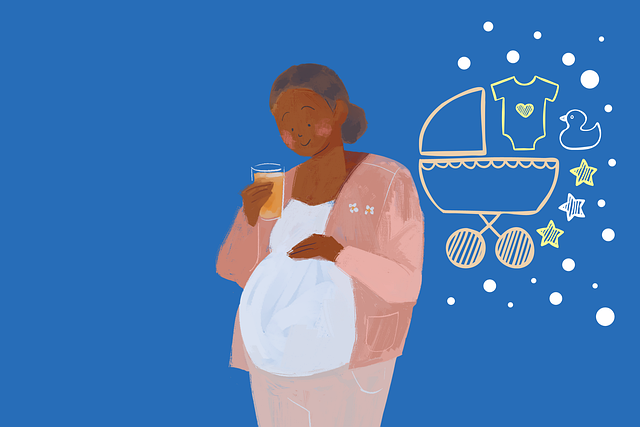
Fertility and Age: How Nutrition Can Help Improve Fertility in Older Women
5. Promoting Overall Health:
A healthy diet not only improves fertility but also promotes overall health. As women age, they may be more prone to health issues such as diabetes, obesity, and cardiovascular diseases, which can affect fertility. By following a balanced and nutritious diet, women can improve their overall health and increase their chances of conceiving.
Nutrients That Can Help Improve Fertility in Older Women:
1. Folic Acid:
Folic acid is essential for reproductive health and has been linked to improved fertility in women. It helps in the development of healthy eggs and can also prevent birth defects in the baby. Foods rich in folic acid include leafy greens, beans, and citrus fruits.
2. Iron:
Iron is crucial for the production of healthy eggs and regulating hormone levels. It also helps in maintaining proper blood flow to the reproductive organs. Good sources of iron include red meat, poultry, and leafy greens.
3. Omega-3 Fatty Acids:
Omega-3 fatty acids are essential for hormonal balance and reducing inflammation in the reproductive system. They can be found in fatty fish, flaxseeds, and chia seeds.
4. Vitamin D:
Vitamin D plays a crucial role in fertility as it helps in the production of hormones that regulate the menstrual cycle. It also helps in maintaining proper egg quality. Foods rich in vitamin D include fatty fish, egg yolks, and fortified dairy products.
5. Vitamin C:
Vitamin C is an antioxidant that can help improve egg quality and reduce oxidative stress. It can be found in citrus fruits, berries, and leafy greens.
In addition to these nutrients, it is essential to follow a balanced and nutritious diet that includes a variety of fruits, vegetables, whole grains, and lean proteins to improve fertility in older women.
Conclusion:
Fertility and age are closely linked, and as women age, their fertility decreases. However, nutrition can play a crucial role in improving fertility in older women. By following a balanced and healthy diet, women can boost egg quality, maintain hormonal balance, improve blood flow to the reproductive organs, reduce oxidative stress, and promote overall health, thus increasing their chances of conceiving.
In summary, as women age, their fertility declines due to a decrease in the quantity and quality of eggs. Nutrition plays a crucial role in improving fertility in older women by boosting egg quality, maintaining hormonal balance, improving blood flow to the reproductive organs, reducing oxidative stress, and promoting overall health. Nutrients such as folic acid, iron, omega-3 fatty acids, vitamin D, and vitamin C are essential for improving fertility in older women.