The Link Between Nutrition and Conception: What You Need to Know
Conception is the starting point of a new life, and proper nutrition plays a crucial role in ensuring a healthy pregnancy and a healthy baby. It is essential for both men and women to maintain a balanced and nutrient-rich diet when trying to conceive. In this blog post, we will explore the link between nutrition and conception and discuss the key nutrients that are vital for fertility and a successful pregnancy.
The Connection between Nutrition and Conception
Nutrition has a significant impact on fertility for both men and women. In women, a well-balanced diet helps to regulate hormones, promote ovulation, and prepare the body for pregnancy. In men, proper nutrition is essential for the production of healthy sperm. Studies have shown that poor nutrition can lead to hormonal imbalances, irregular menstrual cycles, and decreased sperm count, all of which can affect fertility and conception.
Key Nutrients for Fertility and Conception
1. Folate: Folate, also known as folic acid, is a B vitamin that is crucial for a healthy pregnancy. It helps in the development of the baby’s neural tube, which eventually becomes the brain and spinal cord. Folate also plays a role in the production of red blood cells and helps prevent birth defects like spina bifida. It is recommended that women trying to conceive take a daily supplement of 400-800 mcg of folic acid.
2. Iron: Iron is an essential mineral that is responsible for carrying oxygen to all the cells in the body. During pregnancy, the body’s demand for iron increases significantly to support the growth of the baby and to prevent anemia in the mother. Iron-rich foods like lean meats, dark leafy greens, and legumes should be included in the diet to ensure adequate iron intake.
3. Omega-3 Fatty Acids: Omega-3 fatty acids are essential for the development of the baby’s brain and eyes. They also help to reduce inflammation and promote a healthy immune system. Foods rich in omega-3s include fatty fish like salmon, chia seeds, and walnuts.
4. Vitamin D: Vitamin D is crucial for bone health, and it also plays a role in fertility. Studies have shown that women with vitamin D deficiency may have a harder time getting pregnant. Exposure to sunlight is the best way to get vitamin D, but it can also be found in foods like fatty fish, egg yolks, and fortified dairy products.
5. Zinc: Zinc is a mineral that is essential for the production of healthy sperm. It also plays a role in cell division and the development of the baby’s organs. Foods rich in zinc include oysters, beef, pumpkin seeds, and legumes.
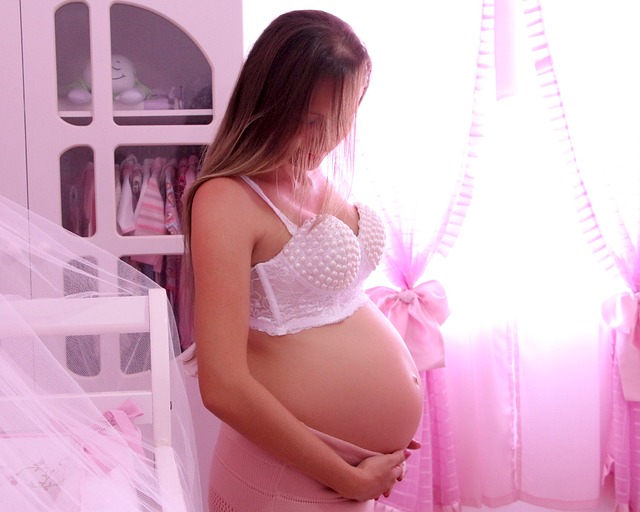
The Link Between Nutrition and Conception: What You Need to Know
6. Antioxidants: Antioxidants are substances that protect the body from free radicals, which can cause cellular damage. In women, antioxidants can help improve egg quality and in men, they can help improve sperm quality. Foods rich in antioxidants include berries, dark leafy greens, and beans.
7. Water: Staying hydrated is crucial for overall health and fertility. It helps to regulate hormones, maintain a healthy cervical mucus, and prevent dehydration, which can lead to decreased fertility. It is recommended to drink at least eight glasses of water a day.
Foods to Avoid
In addition to incorporating the above nutrients into your diet, there are certain foods that should be avoided when trying to conceive. These include:
1. Processed Foods: Processed foods are often high in unhealthy fats, sugar, and sodium, which can lead to inflammation and hormonal imbalances.
2. Caffeine: Studies have shown that excessive caffeine intake can affect fertility in both men and women. It is recommended to limit caffeine intake to 200-300 mg per day.
3. Alcohol: Alcohol consumption can lead to hormonal imbalances and decrease sperm production in men. It is best to avoid alcohol when trying to conceive.
4. High-Mercury Fish: Fish that are high in mercury, such as swordfish, shark, and king mackerel, should be avoided as they can harm the developing baby.
5. Trans Fats: Trans fats are unhealthy fats found in processed and fried foods. They can lead to inflammation and hormonal imbalances, which can affect fertility.
In summary, proper nutrition is essential for fertility and conception. Both men and women should focus on eating a well-balanced diet that includes key nutrients like folate, iron, omega-3 fatty acids, and antioxidants. It is also important to limit or avoid certain foods that can negatively impact fertility. By maintaining a healthy diet, you can increase your chances of conceiving and having a healthy pregnancy.