Blog Post Title: Fertility and Herbal Remedies: A Guide to Self-Care
Summary:
Fertility is a deeply personal and often sensitive topic for many individuals and couples. While there are a variety of medical treatments available, some people may prefer to explore more natural and holistic options. In recent years, there has been a growing interest in using herbal remedies for fertility, as they are seen as a gentle and non-invasive way to support the body’s natural processes.
In this blog post, we will explore the concept of fertility and discuss the potential benefits and risks of using herbal remedies for fertility. We will also provide a guide to self-care, including tips for maintaining a healthy lifestyle and incorporating herbal remedies into your routine.
Understanding Fertility:
Before diving into herbal remedies, it is important to have a basic understanding of fertility. Fertility refers to the ability to conceive and carry a child to term. For many individuals and couples, achieving and maintaining fertility can be a complex and emotional journey.
There are several factors that can affect fertility, such as age, hormonal imbalances, and underlying health conditions. While medical interventions may be necessary for some cases, many people turn to natural remedies as a way to support their overall health and potentially improve their fertility.
The Potential Benefits of Herbal Remedies for Fertility:
Herbal remedies are plant-based substances that have been used for centuries in traditional medicine to treat various health conditions. Many herbs have been found to have potential benefits for fertility, such as balancing hormones, improving reproductive function, and reducing stress and inflammation in the body.
Some commonly used herbs for fertility include chasteberry, red raspberry leaf, and maca root. Chasteberry, also known as Vitex, is believed to regulate hormones and improve menstrual regularity. Red raspberry leaf is thought to strengthen the uterus and support healthy ovulation. Maca root, a plant native to Peru, is believed to boost libido and improve sperm quality.
It is important to note that while herbal remedies may offer potential benefits, they should not be used as a substitute for medical treatment. It is always best to consult with a healthcare professional before incorporating herbal remedies into your fertility journey.
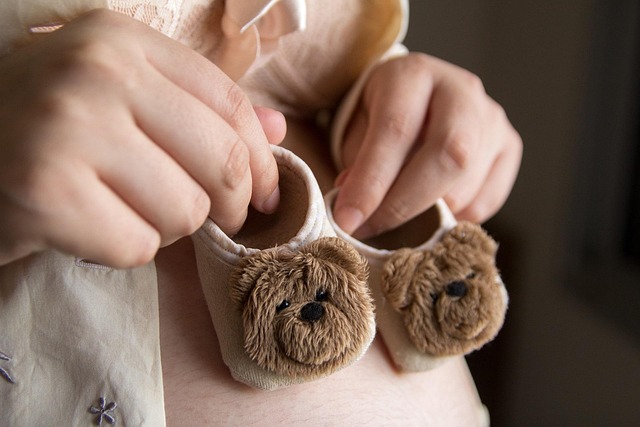
Fertility and Herbal Remedies: A Guide to Self-Care
The Risks of Using Herbal Remedies for Fertility:
While herbal remedies may seem like a natural and harmless way to support fertility, they can also pose risks if not used properly. Some herbs may interact with medications or have adverse effects for certain individuals.
Additionally, the quality and purity of herbal supplements can vary greatly, making it important to purchase from reputable sources. It is also essential to follow recommended dosages and not to mix different herbs without consulting a healthcare professional.
Incorporating Herbal Remedies into Your Self-Care Routine:
Self-care is an essential aspect of overall health and well-being, especially when it comes to fertility. Here are some tips for incorporating herbal remedies into your self-care routine:
1. Consult with a Healthcare Professional: As mentioned earlier, it is crucial to consult with a healthcare professional before using any herbal remedies for fertility. They can help determine the right herbs and dosages for your specific needs and monitor any potential interactions with medications.
2. Maintain a Healthy Lifestyle: A healthy lifestyle is crucial for fertility. This includes maintaining a balanced diet, staying physically active, and managing stress levels. Herbal remedies can be used to complement these healthy habits.
3. Track Your Menstrual Cycle: Tracking your menstrual cycle can help you understand your body’s natural rhythm and identify any potential issues. There are many apps and tools available to help track your cycle and any symptoms you may experience.
4. Consider Fertility-Specific Herbal Blends: There are many herbal blends available that are specifically formulated to support fertility. These blends often combine a variety of herbs that work together to address multiple aspects of fertility.
5. Be Patient: It is important to remember that herbal remedies for fertility may take time to show results. It is essential to be patient and consistent with your self-care routine.
In conclusion, herbal remedies can be a gentle and natural way to support fertility. However, it is essential to consult with a healthcare professional, maintain a healthy lifestyle, and be patient when incorporating herbal remedies into your self-care routine.