Summary:
Pregnancy after the age of 35 may come with its own set of challenges and concerns, but it is still possible to have a healthy and successful pregnancy. In order to increase your chances of a smooth conception and a healthy pregnancy, it is important to prioritize your preconception wellness. In this blog post, we will discuss 20 tips for preparing for pregnancy after age 35.
1. Get a preconception check-up: Before trying to conceive, it is important to visit your doctor for a preconception check-up. This will help identify any underlying health issues that may affect your pregnancy.
2. Start taking prenatal vitamins: Prenatal vitamins are essential for the growth and development of your baby. It is recommended to start taking them at least three months before trying to conceive.
3. Maintain a healthy weight: Being either underweight or overweight can affect your fertility and increase the risk of complications during pregnancy. Aim for a healthy weight before trying to conceive.
4. Quit smoking and limit alcohol intake: Smoking and excessive alcohol consumption can harm your fertility and affect your baby’s health. It is best to quit smoking and limit alcohol intake before trying to conceive.
5. Include folic acid in your diet: Folic acid is crucial for the development of the baby’s neural tube. Include foods rich in folic acid such as leafy greens, beans, and citrus fruits in your diet.
6. Reduce caffeine intake: High levels of caffeine have been linked to fertility issues and early pregnancy loss. Limit your caffeine intake to 200mg per day or switch to decaf options.
7. Manage stress: Stress can affect your fertility and increase the risk of complications during pregnancy. Find healthy ways to manage stress such as yoga, meditation, or talking to a therapist.
8. Get physically active: Regular exercise can improve fertility and help maintain a healthy weight. Consult with your doctor before starting any exercise routine.
9. Get screened for genetic disorders: As you age, the risk of genetic disorders increases. Talk to your doctor about getting screened for any potential genetic disorders that could affect your baby.
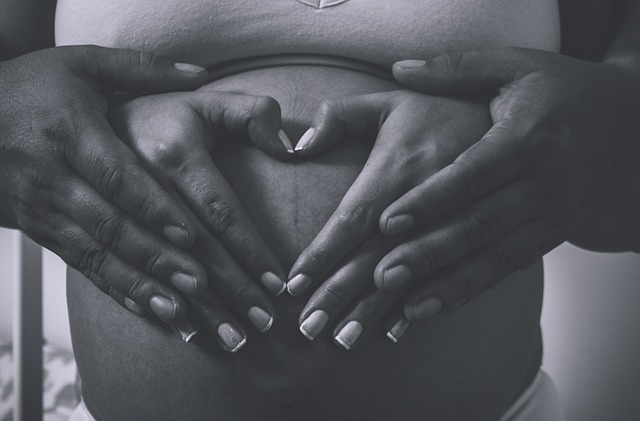
Preparing for Pregnancy After Age 35: 20 Tips for Preconception Wellness
10. Discuss any medications with your doctor: Some medications may affect fertility or be harmful to the baby during pregnancy. Discuss any medications you are taking with your doctor before trying to conceive.
11. Know your family health history: Understanding your family’s health history can help identify any potential risks or genetic disorders that could affect your pregnancy.
12. Eat a balanced and nutritious diet: A healthy and balanced diet is essential for both you and your baby’s health. Include a variety of fruits, vegetables, whole grains, and lean proteins in your diet.
13. Stay hydrated: Drinking enough water is important for your overall health and can also help with fertility.
14. Track your ovulation: As you age, your ovulation may become irregular. Tracking your ovulation can help increase your chances of conception.
15. Consider fertility treatments: If you have been trying to conceive for a year without success, consider talking to a fertility specialist about your options.
16. Get tested for sexually transmitted infections: Certain STIs can affect fertility and can also be harmful to the baby during pregnancy. Get tested and treated for any STIs before trying to conceive.
17. Talk to your partner: It is important to have open and honest communication with your partner throughout the preconception process. Discuss your expectations, fears, and concerns.
18. Educate yourself about pregnancy after 35: There may be certain risks and challenges associated with pregnancy after 35. Educate yourself about these and discuss them with your doctor.
19. Stay positive: Trying to conceive can be a stressful and emotional journey, especially after the age of 35. Stay positive and surround yourself with a supportive network.
20. Be patient: It may take longer to conceive after the age of 35, but do not lose hope. Be patient and continue to prioritize your preconception wellness.
In conclusion, preparing for pregnancy after the age of 35 requires a combination of healthy choices, medical guidance, and patience. By following these 20 tips, you can increase your chances of a successful conception and have a healthy pregnancy.