Fertility and Sleep: The Surprising Connection
When it comes to trying to conceive, many couples focus on things like diet, exercise, and tracking ovulation. However, one aspect of health that is often overlooked is sleep. While it may seem unrelated, research has shown that there is a strong connection between fertility and sleep. In fact, studies have found that poor sleep quality can have a significant impact on both male and female fertility. In this blog post, we will explore the surprising connection between fertility and sleep and how making changes to your sleep habits can improve your chances of conceiving.
The Impact of Sleep on Fertility
Adequate sleep is essential for overall health and well-being, and this includes reproductive health. For women, sleep plays a crucial role in regulating the hormones involved in the menstrual cycle and ovulation. Inadequate sleep or poor sleep quality can disrupt this delicate hormonal balance, leading to irregular or absent ovulation. This can make it difficult for a woman to become pregnant.
For men, sleep also plays a vital role in reproductive health. Research has shown that men who sleep less than six hours a night have lower sperm counts and reduced sperm motility compared to those who get a full night’s sleep. This can make it harder for a man to impregnate his partner.
Sleep Deprivation and Infertility
Lack of sleep, or sleep deprivation, can have a significant impact on fertility. In women, sleep deprivation has been linked to irregular menstrual cycles, anovulation (lack of ovulation), and longer time to conception. It can also increase the risk of conditions like polycystic ovary syndrome (PCOS) and endometriosis, which can affect fertility.
In men, sleep deprivation has been shown to lower testosterone levels and reduce sperm quality. Studies have found that men who sleep less than six hours a night have a 42% lower sperm count and a 30% reduction in sperm motility compared to those who get a full night’s sleep. This can lead to difficulties with fertilization and conception.
The Role of Melatonin in Fertility
Melatonin is a hormone produced by the pineal gland in the brain, and its primary function is to regulate the sleep-wake cycle. However, melatonin also plays a critical role in reproductive health. In women, melatonin helps to regulate the production of other hormones involved in the menstrual cycle, such as estrogen and progesterone. It also has antioxidant properties that protect the ovaries from oxidative stress, which can affect fertility.
In men, melatonin helps to regulate the production of testosterone, which is essential for sperm production. Studies have shown that men with low levels of melatonin have a higher risk of infertility. Additionally, melatonin has been found to improve sperm quality and motility in men with low sperm count.
Sleep Disorders and Fertility
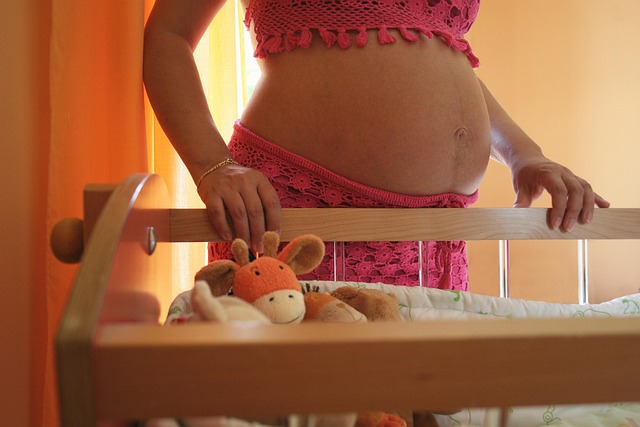
Fertility and Sleep: The Surprising Connection
Sleep disorders like sleep apnea and insomnia have also been linked to fertility problems. Sleep apnea is a disorder where breathing repeatedly stops and starts during sleep, leading to disrupted sleep. Insomnia is a condition where a person has difficulty falling asleep or staying asleep. Both of these conditions can lead to sleep deprivation and have a negative impact on hormonal balance and reproductive health.
In women, sleep apnea has been linked to irregular menstrual cycles and anovulation. Insomnia has been associated with lower levels of progesterone, which is essential for sustaining a pregnancy. In men, sleep apnea and insomnia have been shown to lower testosterone levels and decrease sperm quality.
Improving Sleep Quality for Fertility Health
The good news is that there are steps you can take to improve your sleep quality and increase your chances of conceiving. Here are some tips to help you get better sleep:
1. Stick to a sleep schedule: Going to bed and waking up at the same time every day can help regulate your body’s sleep-wake cycle.
2. Create a sleep-friendly environment: Make sure your bedroom is dark, quiet, and cool to promote better sleep.
3. Avoid caffeine and alcohol: Both caffeine and alcohol can disrupt sleep, so it’s best to avoid them before bedtime.
4. Relax before bed: Take a warm bath, read a book, or practice relaxation techniques like deep breathing to help you wind down and prepare for sleep.
5. Get regular exercise: Regular physical activity can improve sleep quality and overall health, which can also have a positive impact on fertility.
6. Seek treatment for sleep disorders: If you suspect you have a sleep disorder, seek treatment from a healthcare professional to improve your sleep and fertility health.
In conclusion, fertility and sleep are closely connected, and poor sleep quality can have a significant impact on reproductive health. By making changes to your sleep habits and seeking treatment for sleep disorders, you can improve your chances of conceiving. Remember to prioritize your sleep along with other aspects of your health when trying to start a family.
Summary:
Fertility and sleep are strongly connected, and poor sleep quality can have a significant impact on both male and female fertility. Inadequate sleep or sleep deprivation can lead to irregular ovulation, lower sperm count and motility, and an increased risk of conditions like PCOS and endometriosis. The hormone melatonin plays a crucial role in regulating sleep and reproductive health, and sleep disorders like sleep apnea and insomnia can also affect fertility. To improve fertility health, it is essential to prioritize sleep and make changes to sleep habits, such as sticking to a sleep schedule, creating a sleep-friendly environment, and seeking treatment for sleep disorders.