Fertility and Menstrual Health: How Your Cycle Affects Conception
Fertility and menstrual health are closely intertwined, as the menstrual cycle plays a crucial role in a woman’s ability to conceive. Understanding the different phases of the menstrual cycle and how they affect fertility can greatly increase the chances of conception and overall reproductive health. In this blog post, we will dive into the intricacies of the menstrual cycle and its impact on fertility.
The Menstrual Cycle: An Overview
The menstrual cycle is the monthly hormonal cycle that prepares a woman’s body for pregnancy. It typically lasts between 28-32 days, although it can vary from woman to woman. The cycle is divided into three phases: the follicular phase, ovulation, and the luteal phase.
The follicular phase begins on the first day of menstruation and lasts for about 14 days on average. During this phase, the hormone estrogen rises, causing the lining of the uterus to thicken in preparation for a potential pregnancy. At this time, several follicles in the ovaries begin to mature, each containing an egg.
Ovulation occurs around day 14 of the menstrual cycle, where one of the follicles releases a mature egg into the fallopian tube. This is the most fertile time of the cycle, as the egg can survive for up to 24 hours and can be fertilized by sperm.
The luteal phase starts after ovulation and lasts for about 14 days. During this time, the ruptured follicle transforms into a structure called the corpus luteum, which produces progesterone. Progesterone helps maintain the thickened uterine lining to support a potential pregnancy. If the egg is not fertilized, the corpus luteum will eventually break down, and the hormone levels will drop, leading to the start of a new menstrual cycle.
How the Menstrual Cycle Impacts Fertility
The menstrual cycle and fertility are closely linked, as the different phases of the cycle play a crucial role in a woman’s ability to conceive. Let’s take a look at how each phase affects fertility:
Follicular Phase: This is the time when the body prepares for ovulation, making it an essential phase for fertility. The rising levels of estrogen stimulate the growth of the uterine lining, creating a hospitable environment for the fertilized egg to implant. It’s also during this phase that the body produces cervical mucus, which helps sperm travel to the egg.
Ovulation: This is the most fertile time of the cycle, as the egg is released and can be fertilized. The egg has a lifespan of 24 hours, so timing is crucial for conception. Sperm can survive in the female reproductive tract for up to five days, meaning that having intercourse a few days before ovulation can also result in pregnancy.
Luteal Phase: If fertilization does not occur, the corpus luteum will break down, leading to a drop in hormone levels and the start of a new menstrual cycle. However, if the egg is fertilized, the corpus luteum will continue to produce progesterone, maintaining the uterine lining and supporting the pregnancy.
Factors That Can Affect Fertility and Menstrual Health
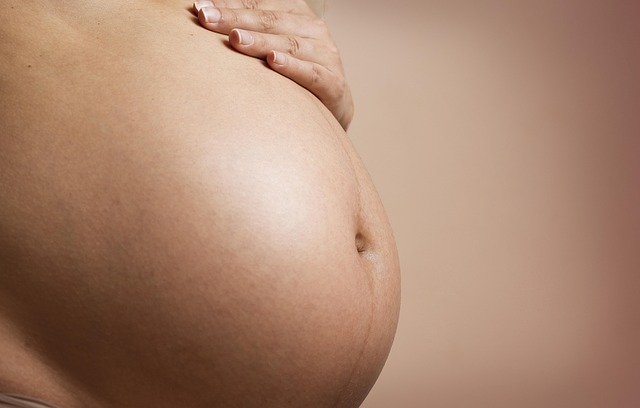
Fertility and Menstrual Health: How Your Cycle Affects Conception
Several factors can impact a woman’s fertility and menstrual health, including:
1. Age: As women age, their ovarian reserve (number of eggs) decreases, making it more challenging to conceive. Fertility begins to decline in the late 20s and significantly decreases after the age of 35.
2. Hormonal imbalances: Hormonal imbalances, such as polycystic ovary syndrome (PCOS) or thyroid disorders, can affect the menstrual cycle, leading to irregular or absent periods and difficulty conceiving.
3. Lifestyle factors: Factors such as smoking, excessive alcohol consumption, and being overweight or underweight can affect fertility and menstrual health.
4. Stress: High levels of stress can disrupt the hormonal balance and affect ovulation, making it more difficult to conceive.
5. Medical conditions: Certain medical conditions, such as endometriosis or uterine fibroids, can affect fertility and menstrual health.
How to Improve Fertility and Menstrual Health
Maintaining a healthy lifestyle can greatly improve fertility and menstrual health. Here are some tips to boost fertility and support a healthy menstrual cycle:
1. Eat a balanced diet: A diet rich in fruits, vegetables, whole grains, and lean protein can help regulate hormones and support reproductive health.
2. Exercise regularly: Regular exercise can help regulate hormonal balance and improve overall health.
3. Quit smoking and limit alcohol consumption: Smoking and excessive alcohol consumption can negatively affect fertility and menstrual health.
4. Manage stress: Find healthy ways to manage stress, such as meditation, yoga, or talking to a therapist.
5. Consult with a fertility specialist: If you have been trying to conceive for over a year (or six months if over the age of 35), it may be time to consult with a fertility specialist for further evaluation and treatment options.
In conclusion, fertility and menstrual health are closely intertwined, and understanding the different phases of the menstrual cycle can greatly increase the chances of conception. By maintaining a healthy lifestyle and addressing any underlying medical conditions, women can improve their fertility and support a healthy menstrual cycle.