Blog Post Title: Fertility and Environmental Factors: How to Protect Yourself
Fertility is a topic that is becoming increasingly relevant in today’s society, with more and more couples struggling to conceive. While there are many factors that can affect fertility, one that is often overlooked is the impact of environmental factors. From the air we breathe to the food we eat, our environment can have a significant impact on our reproductive health. In this blog post, we will explore the various environmental factors that can affect fertility and provide tips on how to protect yourself.
The Impact of Air Pollution
Air pollution is a major concern for many people and for good reason. Not only does it contribute to respiratory problems and other health issues, but it can also have a negative impact on fertility. Studies have shown that exposure to air pollutants, such as particulate matter and nitrogen dioxide, can decrease sperm quality and increase the risk of miscarriage in women. To protect yourself from air pollution, it is important to limit your exposure as much as possible. This can include avoiding busy roads during rush hour, using an air purifier in your home, and wearing a mask when necessary.
The Dangers of Endocrine-Disrupting Chemicals
Endocrine-disrupting chemicals (EDCs) are substances that can interfere with the body’s hormonal system. These chemicals are found in a variety of products, including plastics, pesticides, and personal care products. Exposure to EDCs has been linked to a range of reproductive health issues, including decreased sperm quality, irregular menstrual cycles, and even infertility. To reduce your exposure to EDCs, opt for natural and organic products whenever possible, avoid using plastic containers for food and drinks, and limit your use of pesticides in your home and garden.
The Role of Diet and Nutrition
What we put into our bodies can also have a significant impact on our fertility. A diet high in processed foods, unhealthy fats, and sugar can lead to inflammation, hormonal imbalances, and other health issues that can affect fertility. On the other hand, a diet rich in whole foods, healthy fats, and antioxidants can help support reproductive health. Incorporating fertility-boosting foods, such as leafy greens, nuts, and healthy proteins, into your diet can help improve fertility and increase your chances of conceiving.
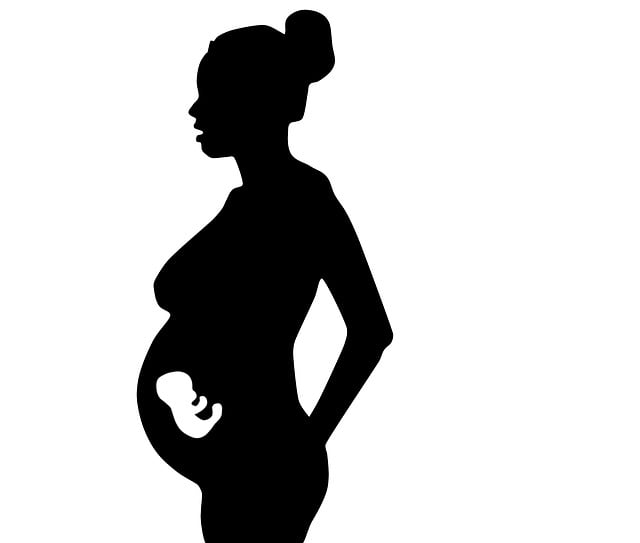
Fertility and Environmental Factors: How to Protect Yourself
The Importance of Exercise
Regular exercise is not only important for overall health, but it also plays a key role in fertility. Studies have shown that women who engage in moderate exercise, such as walking or yoga, have a higher chance of conceiving compared to those who lead sedentary lifestyles. However, it is important to strike a balance as excessive exercise, especially high-intensity workouts, can have a negative impact on fertility. It is recommended to aim for 30 minutes of moderate exercise 3-4 times per week to support reproductive health.
The Link Between Stress and Fertility
In today’s fast-paced world, stress has become a common part of daily life. However, chronic stress can have a significant impact on our physical and mental well-being, including fertility. Stress can disrupt hormonal balance, suppress ovulation, and decrease sperm quality. To protect yourself from the negative effects of stress, it is important to find ways to manage and reduce stress in your daily life. This can include practicing relaxation techniques, such as meditation and deep breathing, engaging in enjoyable activities, and seeking support from loved ones.
The Role of Prenatal Care
While it is important to take steps to protect your fertility, it is equally important to receive proper prenatal care if you are trying to conceive or are already pregnant. Regular check-ups with your healthcare provider can help identify any potential issues or concerns and ensure that you are taking the necessary steps to support a healthy pregnancy. Your healthcare provider may also recommend additional supplements or treatments to support fertility and ensure a healthy pregnancy.
In conclusion, fertility is a complex issue that can be influenced by various environmental factors. By taking steps to protect yourself from air pollution, endocrine-disrupting chemicals, and stress, and by incorporating a healthy diet and regular exercise into your lifestyle, you can support your reproductive health and increase your chances of conceiving. Additionally, seeking proper prenatal care is essential for a healthy pregnancy. By being mindful of the environmental factors that can affect fertility and taking proactive steps to protect yourself, you can take control of your reproductive health and increase your chances of building the family of your dreams.
Summary:
Fertility can be affected by various environmental factors, such as air pollution, endocrine-disrupting chemicals, diet and nutrition, exercise, stress, and prenatal care. Exposure to air pollutants and EDCs can decrease sperm quality and increase the risk of miscarriage. A diet high in whole foods and regular exercise can support reproductive health, while excessive exercise and chronic stress can have a negative impact. Regular prenatal care is essential for a healthy pregnancy. By taking proactive steps to protect yourself from these environmental factors, you can increase your chances of conceiving and building the family of your dreams.