Blog Post:
When it comes to fertility and conception, many factors can impact a couple’s chances of successfully getting pregnant. From age and stress levels to underlying health conditions, there are many things to consider. However, one aspect that is often overlooked is nutrition. The food we eat plays a crucial role in our overall health and can greatly affect our fertility. In this blog post, we’ll explore the importance of nutrition in fertility and provide tips on how to stock your kitchen for conception.
Why Nutrition Matters in Fertility
Nutrition is essential for maintaining a healthy body and reproductive system. The food we eat provides our bodies with the necessary fuel and nutrients to function properly. When it comes to fertility, a well-balanced diet is crucial for both men and women. For women, proper nutrition can help regulate hormones, promote ovulation, and support a healthy menstrual cycle. For men, it can improve sperm quality and quantity.
A diet high in processed foods, unhealthy fats, and sugar can lead to inflammation in the body, which can disrupt hormonal balance and decrease fertility. On the other hand, a diet rich in whole foods, healthy fats, and lean proteins can promote a healthy reproductive system.
Essential Nutrients for Fertility
To optimize fertility, it’s important to ensure your diet includes the following essential nutrients:
1. Folate: Folate, also known as folic acid, is crucial for a healthy pregnancy. It helps prevent birth defects and supports the development of the baby’s brain and spinal cord. Foods rich in folate include leafy greens, citrus fruits, beans, and whole grains.
2. Iron: Iron is essential for maintaining healthy blood and carrying oxygen to the cells. During pregnancy, a woman’s iron needs increase to support the baby’s growth and development. Good sources of iron include lean red meat, poultry, seafood, and leafy greens.
3. Omega-3 Fatty Acids: Omega-3 fatty acids are essential for fertility as they help regulate hormones and improve blood flow to the reproductive organs. They can be found in fatty fish, flaxseeds, chia seeds, and walnuts.
4. Vitamin D: Vitamin D plays a crucial role in fertility and pregnancy. It helps regulate hormones, promotes healthy ovulation, and supports the development of the baby’s bones. Sunlight is the best source of vitamin D, but it can also be found in fatty fish, egg yolks, and fortified foods.
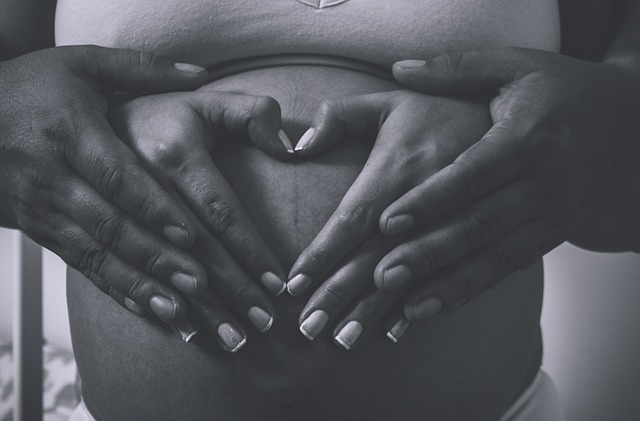
The Importance of Nutrition in Fertility: How to Stock Your Kitchen for Conception
5. Antioxidants: Antioxidants help protect the body from oxidative stress and can improve fertility in both men and women. Foods high in antioxidants include berries, dark leafy greens, nuts, and seeds.
Stocking Your Kitchen for Conception
Now that we understand the importance of nutrition in fertility, let’s look at some practical tips on how to stock your kitchen for conception.
1. Choose Whole Foods: When grocery shopping, opt for whole, unprocessed foods over processed and packaged items. Whole foods are rich in essential nutrients and free of harmful additives that can disrupt hormonal balance.
2. Load Up on Fruits and Vegetables: Fruits and vegetables are packed with essential vitamins, minerals, and antioxidants. Aim to fill half of your plate with these nutrient-dense foods at every meal.
3. Incorporate Healthy Fats: Healthy fats, such as avocados, olive oil, and nuts, are crucial for hormonal balance and reproductive health. They also help keep you feeling full and satisfied.
4. Choose Lean Proteins: Protein is essential for fertility, but it’s important to choose lean sources such as chicken, fish, beans, and lentils. Avoid processed meats and opt for organic, grass-fed options whenever possible.
5. Limit Sugar and Processed Foods: Processed foods and added sugars can cause inflammation in the body and disrupt hormonal balance. Limit your intake of these foods and opt for natural sweeteners like honey or maple syrup when needed.
6. Stay Hydrated: Drinking enough water is crucial for overall health and fertility. Aim for at least eight glasses of water per day and limit sugary drinks and alcohol.
7. Consider Supplements: While a well-balanced diet should provide most of the essential nutrients for fertility, it’s a good idea to supplement with a prenatal vitamin to ensure you’re getting enough of everything you need.
In summary, nutrition plays a vital role in fertility and conception. A balanced and nutrient-dense diet can help regulate hormones, improve reproductive health, and increase the chances of a successful pregnancy. By stocking your kitchen with whole foods, healthy fats, and lean proteins, and limiting sugar and processed foods, you can optimize your chances of conceiving. Remember to consult with your doctor or a registered dietitian for personalized recommendations based on your individual needs.