Blog Post Title: The Impact of Environment on Fertility: How to Create an Optimal Setting
Summary:
Fertility is a complex and delicate process, influenced by various factors including genetics, lifestyle, and environment. While we often focus on the first two factors, the impact of environment on fertility is often overlooked. However, research has shown that the environment in which we live, work, and play can greatly affect our reproductive health. In this blog post, we will explore the different ways in which the environment can impact fertility and provide tips on how to create an optimal setting for conception and pregnancy.
Firstly, we will discuss the impact of air quality on fertility. The air we breathe is filled with pollutants from various sources such as traffic, industrial emissions, and household products. These pollutants can have a negative impact on fertility by disrupting hormone balance, damaging reproductive organs, and increasing the risk of miscarriage. To create an optimal environment, it is important to reduce exposure to air pollutants by avoiding busy roads, using air purifiers, and opting for natural cleaning products.
Next, we will delve into the effects of water quality on fertility. Our bodies are made up of 60% water, and the quality of water we consume can have a significant impact on our reproductive health. Contaminants such as lead, arsenic, and chlorine in drinking water have been linked to reduced fertility and increased risk of birth defects. To ensure optimal water quality, it is recommended to invest in a water filtration system and limit the use of plastics, which can leach harmful chemicals into our water.
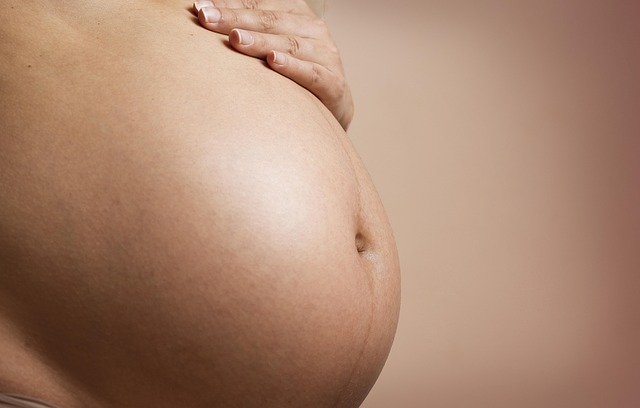
The Impact of Environment on Fertility: How to Create an Optimal Setting
The third aspect we will explore is the impact of food and nutrition on fertility. Our diet plays a crucial role in maintaining hormonal balance and promoting reproductive health. Processed foods, high in sugar and unhealthy fats, can disrupt our endocrine system and decrease fertility. On the other hand, a diet rich in fruits, vegetables, whole grains, and healthy fats can improve fertility and increase the chances of conception. It is also important to limit exposure to pesticides and choose organic foods when possible, as these chemicals have been linked to infertility and pregnancy complications.
Another factor that can greatly affect fertility is exposure to toxins and chemicals in our environment. These can come from everyday products such as cleaning supplies, personal care products, and even furniture. Many of these products contain harmful chemicals that can disrupt hormone balance and decrease fertility. To create an optimal environment, it is important to switch to natural and non-toxic products, and to avoid using plastics, which can contain endocrine-disrupting chemicals.
The fifth aspect we will discuss is the impact of stress on fertility. In today’s fast-paced world, stress has become a part of our daily lives. However, chronic stress can have a significant impact on our reproductive health. High levels of stress can disrupt hormones, delay ovulation, and decrease sperm quality. To create an optimal environment for fertility, it is important to find ways to manage and reduce stress. This can include practices such as meditation, yoga, and regular exercise.
Lastly, we will touch upon the influence of our physical environment on fertility. The temperature and lighting of our surroundings can have a subtle yet significant impact on fertility. For men, prolonged exposure to high temperatures, such as from saunas or hot tubs, can decrease sperm production. For women, working in night shifts or being exposed to artificial light at night can disrupt the body’s natural circadian rhythm and affect ovulation. To create an optimal setting, it is recommended to avoid prolonged exposure to extreme temperatures and to minimize exposure to artificial light at night.
In conclusion, the environment in which we live can have a profound impact on our fertility. By being aware of the different ways in which our surroundings can affect our reproductive health, we can take steps to create an optimal setting for conception and pregnancy. From improving air and water quality to reducing exposure to toxins and managing stress, small changes in our daily lives can make a big difference in our fertility journey.