Blog Post Title: Fertility-Boosting Nutrients You May Be Missing in Your Diet
Are you and your partner struggling to conceive? While there can be various reasons for infertility, one factor that is often overlooked is nutrition. Your diet plays a crucial role in overall health, including fertility. Many people may not be aware of the specific nutrients that are essential for boosting fertility. In this blog post, we will discuss some of the fertility-boosting nutrients that you may be missing in your diet.
1. Iron
Iron deficiency can lead to anemia, which can significantly affect fertility. Iron is essential for the production of hemoglobin, a protein that carries oxygen to the body’s cells, including the reproductive organs. When the body lacks iron, it can cause irregular ovulation or even stop ovulation altogether. Iron-rich foods like lean red meat, beans, leafy greens, and fortified cereals can help boost fertility.
2. Vitamin D
Vitamin D is not just important for bone health but also plays a significant role in fertility. Studies have shown that women with low levels of vitamin D may have trouble conceiving. This vitamin helps regulate hormones and promotes healthy ovulation. Sun exposure is the best way to get vitamin D, but it can also be found in foods like fatty fish, eggs, and fortified dairy products.
3. Omega-3 Fatty Acids
Omega-3 fatty acids are essential for sperm and egg health. They help regulate hormone levels and improve blood flow to the reproductive organs. Foods rich in omega-3s include fatty fish like salmon and sardines, flaxseeds, chia seeds, and walnuts.
4. Folate
Folate, also known as folic acid, is crucial for fetal development and can also help boost fertility. It helps prevent birth defects and promotes healthy sperm and egg production. Foods rich in folate include leafy greens, citrus fruits, legumes, and fortified grains.
5. Zinc
Zinc is a mineral that plays a vital role in fertility for both men and women. It helps regulate hormones and supports healthy egg and sperm development. Zinc deficiency can lead to menstrual irregularities and low sperm count. Foods rich in zinc include oysters, beef, chicken, pumpkin seeds, and lentils.
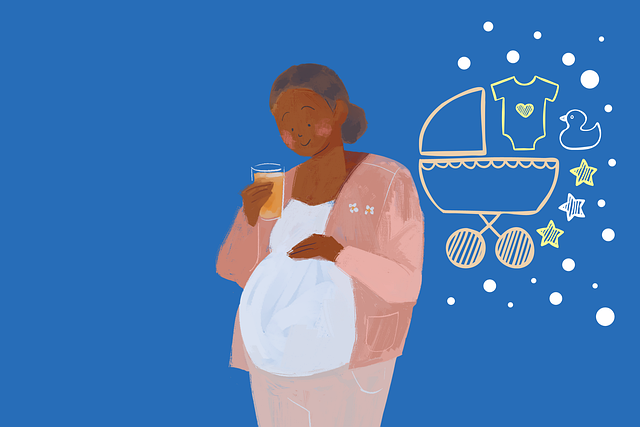
Fertility-Boosting Nutrients You May Be Missing in Your Diet
6. B Vitamins
B vitamins, particularly B6 and B12, are essential for fertility. They help regulate hormones and promote healthy ovulation. Vitamin B12 also plays a crucial role in sperm production. Foods rich in B vitamins include leafy greens, legumes, nuts, and fortified cereals.
7. Coenzyme Q10
Coenzyme Q10 is a powerful antioxidant that helps protect cells from damage. It is essential for both male and female fertility as it helps improve egg and sperm quality. As we age, our bodies produce less CoQ10, making it crucial to get it through our diet. Foods rich in CoQ10 include fatty fish, organ meats, and whole grains.
8. Antioxidants
Antioxidants help reduce oxidative stress and protect reproductive cells from damage. They also help improve sperm quality and increase the chances of successful pregnancies. Foods rich in antioxidants include berries, dark chocolate, green tea, and colorful fruits and vegetables.
9. L-arginine
L-arginine is an amino acid that helps improve blood flow to the reproductive organs, making it beneficial for both male and female fertility. It also helps regulate hormones and improve sperm quality. Foods rich in L-arginine include seafood, poultry, dairy products, and nuts.
10. Maca Root
Maca root is a superfood that has been used for centuries to boost fertility. It helps balance hormones, increase libido, and improve sperm quality. Maca root can be found in powder form and can be added to smoothies, oatmeal, or other recipes.
In conclusion, the nutrients mentioned above are just a few of the many that can help boost fertility. It is essential to maintain a balanced and healthy diet to ensure the proper intake of these nutrients. If you are struggling with fertility, it is always best to consult with a healthcare professional to determine the underlying cause and create a personalized fertility-boosting plan.
SEO metadata: