Blog Post: The Impact of Environmental Factors on Reproductive Health During Pregnancy
Pregnancy is a miraculous and life-changing event, but it is also a time of vulnerability for both the mother and the developing baby. From the moment of conception, the growing fetus is susceptible to the environment in which it is surrounded. While many factors can affect reproductive health, environmental factors can have a significant impact on the health and wellbeing of both the mother and the baby. In this blog post, we will explore the various environmental factors that can affect reproductive health during pregnancy and their potential impact.
Air Quality:
Air pollution is a major concern in today’s world, and it can have a significant impact on reproductive health during pregnancy. Polluted air contains harmful chemicals such as carbon monoxide, nitrogen oxides, and particulate matter, which can enter the mother’s bloodstream and reach the developing baby. These pollutants can cause a wide range of adverse effects, including low birth weight, preterm birth, and even birth defects. Exposure to air pollution during pregnancy has also been linked to an increased risk of respiratory problems and neurodevelopmental disorders in children.
To reduce the impact of air pollution on reproductive health, pregnant women should avoid exposure to polluted areas as much as possible. If living in an area with high air pollution levels, it is crucial to take precautions such as wearing a mask and avoiding outdoor activities during peak pollution hours. Additionally, supporting and advocating for clean air policies can also help reduce the impact of air pollution on reproductive health.
Water Quality:
Water is essential for the healthy development of the fetus, but it is also a potential carrier of harmful chemicals and pollutants. Contaminated water can contain harmful substances such as lead, mercury, and pesticides, which can have adverse effects on the developing baby’s health. Exposure to these chemicals during pregnancy has been linked to a higher risk of birth defects, neurological disorders, and hormonal imbalances.
To ensure the safety of the water supply, pregnant women should avoid drinking tap water and opt for filtered or bottled water instead. It is also essential to be mindful of the water used for cooking and cleaning, as well as any potential sources of water contamination in the home. Regularly testing the water supply for contaminants can also help identify and address any potential risks.
Chemicals and Toxins:
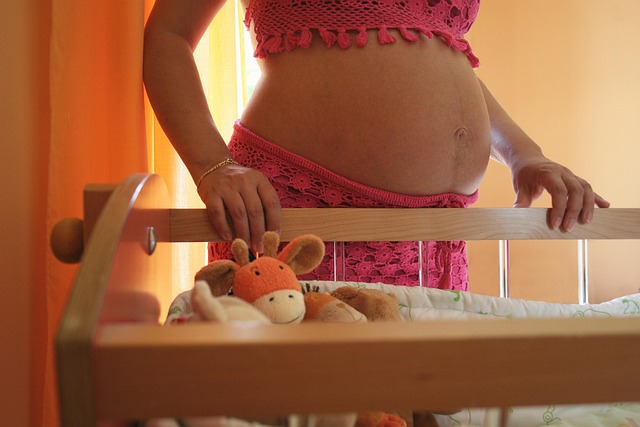
The Impact of Environmental Factors on Reproductive Health During Pregnancy
Pregnant women should be cautious of exposure to various chemicals and toxins, whether in the workplace or at home. Exposure to chemicals such as pesticides, solvents, and heavy metals can have a detrimental impact on reproductive health during pregnancy. These substances can interfere with the normal development of the fetus, leading to birth defects, brain damage, and other health issues.
To minimize exposure to harmful chemicals and toxins, it is crucial to read labels carefully and avoid using products that contain potentially harmful substances. Pregnant women should also take precautions when working with chemicals, such as wearing protective gear and avoiding exposure to fumes. It is also advisable to limit the use of cleaning products and opt for natural alternatives whenever possible.
Diet and Nutrition:
Proper nutrition is vital for the healthy development of the fetus, and the mother’s diet can significantly impact reproductive health during pregnancy. A diet lacking in essential nutrients can lead to complications such as low birth weight, preterm birth, and birth defects. On the other hand, excessive weight gain during pregnancy can also increase the risk of gestational diabetes, high blood pressure, and other health issues.
Pregnant women should aim to maintain a balanced and nutritious diet, including a variety of fruits, vegetables, whole grains, and proteins. It is also essential to avoid consuming potentially harmful substances such as alcohol, caffeine, and unpasteurized dairy products. Consulting with a healthcare provider and following a recommended prenatal vitamin regimen can also help ensure adequate nutrition for both the mother and the baby.
Stress and Mental Health:
Pregnancy is a time of significant physical and emotional changes, and stress and mental health can have a significant impact on reproductive health. Chronic stress during pregnancy has been linked to an increased risk of preterm birth, low birth weight, and developmental delays in children. Additionally, mental health disorders such as depression and anxiety can also have adverse effects on the mother and the developing baby.
To manage stress and promote good mental health during pregnancy, it is crucial to practice self-care and seek support when needed. Engaging in relaxation techniques such as yoga, meditation, and deep breathing can help reduce stress levels. It is also essential to communicate openly with a healthcare provider and seek professional help if experiencing mental health issues.
In conclusion, the environment plays a crucial role in reproductive health during pregnancy. Pregnant women should be aware of potential environmental hazards and take necessary precautions to minimize their exposure. By being mindful of air and water quality, avoiding harmful chemicals and toxins, maintaining a nutritious diet, and managing stress, mothers can help ensure a healthy and safe pregnancy for both themselves and their babies.
Summary: Environmental factors such as air and water quality, exposure to chemicals and toxins, diet and nutrition, and stress and mental health can have a significant impact on reproductive health during pregnancy. Pregnant women should take necessary precautions to minimize their exposure to potential hazards and prioritize their health and wellbeing for a healthy pregnancy.