Blog post:
Preconception Health for Women with a Family History of Birth Defects
For many women, the decision to start a family is an exciting and joyous time. However, for those with a family history of birth defects, it can also bring about feelings of fear and uncertainty. The thought of passing on a genetic condition to their child can be daunting, but there are steps that women can take to ensure the best possible outcome for their future child. In this blog post, we will explore the importance of preconception health for women with a family history of birth defects and provide practical tips for ensuring a healthy pregnancy and baby.
What are birth defects?
Birth defects are structural or functional abnormalities that occur in a baby’s body while they are still developing in the womb. These can range from minor issues, such as a cleft lip or extra fingers, to more serious conditions like heart defects or spinal cord abnormalities. Some birth defects are caused by genetic factors, while others may be the result of environmental factors or a combination of both.
Why is preconception health important for women with a family history of birth defects?
If you have a family history of birth defects, it is essential to take extra care of your health before becoming pregnant. This is because many birth defects are inherited, meaning they are passed down from parent to child through genes. By taking steps to improve your health before conceiving, you can reduce the risk of passing on these conditions to your child.
Preconception health can also help to identify any potential issues that may affect the health of your baby. By addressing these issues before pregnancy, you can take proactive measures to minimize the risk of birth defects and ensure a healthy pregnancy.
What can women do to improve their preconception health?
1. Schedule a preconception check-up
Before trying to conceive, it is essential to schedule a preconception check-up with your healthcare provider. During this visit, your doctor will review your medical history and any potential risk factors for birth defects. They may also recommend genetic testing to assess your risk of passing on inherited conditions to your child.
2. Maintain a healthy weight
Preconception Health for Women with a Family History of Birth Defects
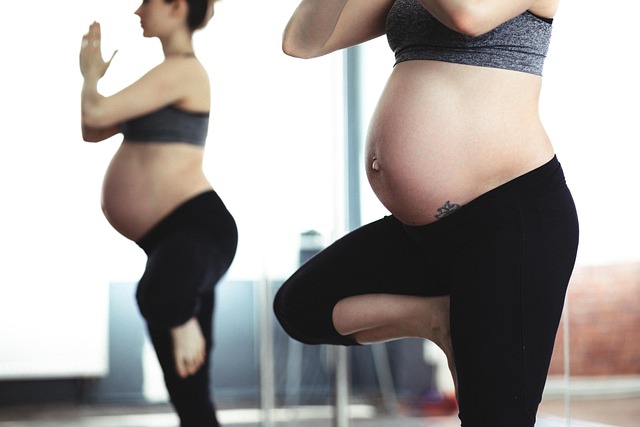
Being either underweight or overweight can increase the risk of birth defects. Women with a body mass index (BMI) below 18.5 or above 25 are more likely to have a baby with a birth defect. Therefore, it is crucial to maintain a healthy weight before becoming pregnant. This can be achieved through a balanced diet and regular exercise.
3. Stop smoking, drinking, and using drugs
Smoking, drinking alcohol, and using drugs during pregnancy can significantly increase the risk of birth defects. For women with a family history of birth defects, these substances can be even more harmful. Quitting before pregnancy is the best way to ensure a healthy start for your future child.
4. Take folic acid supplements
Folic acid is a crucial nutrient for preventing birth defects, particularly neural tube defects. Women should take 400-800 micrograms of folic acid per day before and during early pregnancy to reduce the risk of these conditions. If you have a family history of neural tube defects, your doctor may recommend a higher dosage.
5. Get vaccinated
Certain infections, such as rubella, can increase the risk of birth defects. Therefore, it is essential to ensure that you are up-to-date on all necessary vaccinations before becoming pregnant. Talk to your doctor about which vaccines you may need based on your family history and medical history.
6. Manage chronic health conditions
If you have a chronic health condition, such as diabetes, it is crucial to manage it effectively before becoming pregnant. Uncontrolled conditions can increase the risk of birth defects, so it is essential to work with your doctor to get your health under control before trying to conceive.
7. Limit exposure to harmful substances
Exposure to certain chemicals and toxins can increase the risk of birth defects. If you work in an environment with potential hazards, speak to your employer about ways to minimize your exposure. Also, be mindful of any chemicals or toxins you may be exposed to at home and take steps to reduce your exposure.
Summary:
For women with a family history of birth defects, preconception health is crucial for ensuring a healthy pregnancy and baby. By taking proactive steps to improve their health and address any potential risk factors, women can reduce the chances of passing on inherited conditions to their child. This includes maintaining a healthy weight, quitting smoking, drinking, and drug use, taking folic acid supplements, getting vaccinated, managing chronic health conditions, and limiting exposure to harmful substances.