Blog Post:
Polycystic Ovary Syndrome (PCOS) is a common hormonal disorder that affects many women of reproductive age. It is characterized by irregular or absent menstrual cycles, excess androgen levels, and multiple cysts on the ovaries. While PCOS can have various symptoms and health implications, one of the most significant concerns for women with this condition is infertility.
Studies have shown that PCOS is one of the leading causes of female infertility, with up to 70% of women with PCOS experiencing fertility issues. The good news is that there are various treatment options available to help women with PCOS conceive, and one of the most important and effective interventions is exercise.
Exercise plays a crucial role in managing PCOS and its related fertility issues. In this blog post, we will explore the ways in which exercise can help improve fertility in women with PCOS.
1. Regulates Hormonal Imbalances
One of the main causes of PCOS is hormonal imbalances, particularly in insulin and androgen levels. Insulin resistance is a common feature of PCOS, which can lead to elevated insulin levels in the body. High insulin levels can disrupt the hormonal balance, leading to increased androgen production and decreased levels of the female hormone, estrogen.
Regular exercise has been shown to improve insulin sensitivity, which can help regulate insulin levels and reduce androgen production. This, in turn, can help balance out the hormones and improve fertility in women with PCOS.
2. Promotes Weight Loss
Obesity and excess weight are common in women with PCOS and can exacerbate fertility issues. Studies have shown that losing just 5-10% of body weight can significantly improve ovulation and increase the chances of conception in women with PCOS.
Exercise is a vital component of weight loss and can help women with PCOS achieve their weight loss goals. It can also help maintain a healthy weight, which is crucial for managing PCOS and improving fertility.
3. Improves Ovulation and Egg Quality
PCOS can disrupt the menstrual cycle and cause irregular or absent ovulation. This can make it challenging to conceive as ovulation is necessary for pregnancy to occur. Exercise has been shown to improve ovulation in women with PCOS, thereby increasing the chances of getting pregnant.
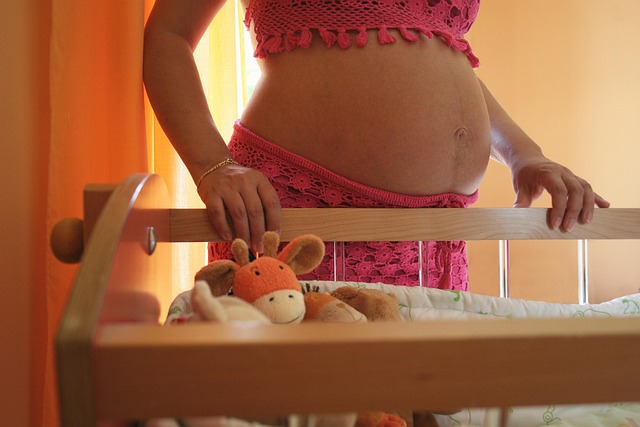
The Role of Exercise in PCOS-Related Fertility Issues
Moreover, exercise can also improve the quality of eggs produced by women with PCOS. Studies have found that regular exercise can increase the levels of antioxidants in the body, which can help protect the eggs from oxidative stress and damage. This can lead to healthier and more viable eggs, increasing the chances of conception.
4. Reduces Stress and Anxiety
Women with PCOS often experience high levels of stress and anxiety, which can further aggravate their condition. Stress can disrupt the hormonal balance, leading to increased androgen production and decreased estrogen levels, making it harder to conceive.
Exercise is an excellent way to reduce stress and anxiety. It releases endorphins, also known as “feel-good” hormones, which can help improve mood and reduce stress levels. Regular exercise can also help improve sleep quality, another important factor in managing stress and promoting fertility.
5. Improves Blood Flow to the Reproductive Organs
Regular exercise can improve blood flow to the reproductive organs, including the ovaries and uterus. This increased blood flow can help nourish the reproductive organs and provide the necessary nutrients for healthy egg production, ovulation, and implantation. Improved blood flow can also help reduce inflammation and promote healing in the reproductive organs, improving fertility in women with PCOS.
6. Boosts Fertility Treatment Success Rates
For women with PCOS who require fertility treatments, exercise can play a crucial role in boosting the success rates. It can help regulate hormones, improve weight management, and enhance the overall health of the reproductive system, making fertility treatments more effective.
Moreover, regular exercise can also improve the response to fertility drugs, making it easier to achieve pregnancy. It can also help reduce the risk of pregnancy complications, such as gestational diabetes and high blood pressure, which are more common in women with PCOS.
In summary, exercise is a powerful tool for managing PCOS and improving fertility in women with this condition. It can help regulate hormones, promote weight loss, improve ovulation and egg quality, reduce stress and anxiety, improve blood flow to the reproductive organs, and boost fertility treatment success rates. It is crucial to consult with a healthcare professional before starting an exercise routine, especially if you have any underlying health conditions.
Remember, exercise should be a part of a comprehensive treatment plan for PCOS, along with a healthy diet and any prescribed medications. With a consistent exercise routine and a healthy lifestyle, women with PCOS can improve their fertility and increase their chances of conceiving.
SEO Metadata: