Stress and Egg Quality: Understanding the Impact on Artificial Insemination Outcomes
Artificial insemination (AI) is a widely used assisted reproductive technology that involves the insertion of sperm directly into a female’s reproductive tract in order to facilitate fertilization. It is commonly used in both humans and animals to overcome fertility issues and increase the chances of pregnancy. However, the success of AI is highly dependent on the quality of the eggs used in the process.
Egg quality plays a crucial role in the success of AI as it determines the likelihood of fertilization and the development of a healthy embryo. Unfortunately, there are many factors that can negatively impact egg quality, with one of the most significant being stress. In this blog post, we will explore the relationship between stress and egg quality and how it can affect the outcomes of artificial insemination.
Understanding Egg Quality
Before we dive into the impact of stress on egg quality, it is important to understand what egg quality actually means. Egg quality refers to the ability of an egg to be fertilized and develop into a healthy embryo. It is determined by various factors such as size, shape, and maturity of the egg, as well as the health of the egg’s cytoplasm and genetic material.
As women age, their egg quality naturally decreases, which is why fertility declines with age. However, there are also external factors that can affect egg quality, such as stress.
The Impact of Stress on Egg Quality
Stress, both physical and psychological, has been shown to have a significant impact on the reproductive system. When the body is under stress, it releases a hormone called cortisol, which can disrupt the delicate balance of reproductive hormones and affect ovulation. This, in turn, can affect the quality of the eggs produced.
One study showed that women with high levels of stress had a 29% lower chance of getting pregnant through IVF compared to women with lower levels of stress. This is because stress can cause changes in the ovaries, leading to a decrease in the number of mature eggs and an increase in the number of poor-quality eggs.
Stress can also affect the quality of the eggs at a molecular level. Chronic stress can lead to oxidative stress, which is an imbalance between free radicals and antioxidants in the body. This can damage the egg’s genetic material and lead to abnormalities in the embryo, increasing the risk of miscarriage or birth defects.
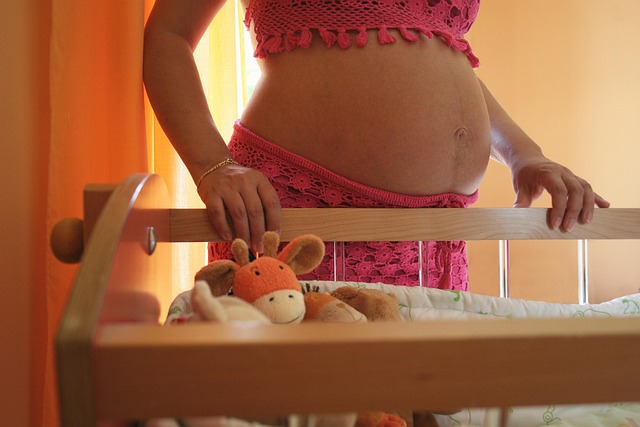
Stress and Egg Quality: Understanding the Impact on Artificial Insemination Outcomes
The Impact of Stress on Artificial Insemination Outcomes
When it comes to artificial insemination, stress can have a direct impact on the success of the procedure. As mentioned earlier, stress can affect the quality of the eggs, which can decrease the chances of fertilization and the development of a healthy embryo. This means that even if the sperm is of good quality and is placed in the ideal location, the chances of a successful pregnancy are reduced if the eggs are of poor quality.
Furthermore, stress can also affect the receptivity of the uterus to the embryo. The uterus needs to be in a relaxed state to support the implantation and development of the embryo. However, stress can cause the uterus to contract, making it difficult for the embryo to implant and increasing the risk of early pregnancy loss.
Managing Stress for Better Outcomes
Given the significant impact of stress on egg quality and artificial insemination outcomes, it is essential to manage stress effectively. This can involve various strategies such as relaxation techniques, exercise, and seeking support from friends and family.
One effective way to manage stress in the context of artificial insemination is to work with a fertility specialist who can provide emotional support and guidance throughout the process. They can also recommend stress-reducing techniques and even prescribe medication if necessary.
In addition, it is important for women undergoing artificial insemination to prioritize self-care and make time for activities that bring joy and relaxation. This can include hobbies, spending time in nature, or practicing mindfulness.
In conclusion, stress can have a significant impact on egg quality, which in turn can affect the success of artificial insemination. It is important for individuals and couples undergoing AI to be aware of the potential effects of stress and take steps to manage it effectively. By doing so, they can increase their chances of a successful pregnancy and the birth of a healthy baby.
Summary:
Artificial insemination (AI) is a widely used assisted reproductive technology that involves the insertion of sperm directly into a female’s reproductive tract. Egg quality is crucial for the success of AI, but it can be negatively impacted by stress. Stress can affect the quality of eggs by disrupting ovulation, causing oxidative stress, and affecting the uterus’s receptivity to the embryo. This, in turn, can reduce the chances of fertilization and increase the risk of early pregnancy loss. It is important to manage stress effectively through relaxation techniques, seeking support, and working with a fertility specialist to increase the chances of a successful pregnancy.