SUMMARY:
Artificial insemination, also known as intrauterine insemination, has become a popular method of assisted reproduction for couples struggling to conceive. It involves the insertion of sperm directly into the uterus, bypassing the natural barriers of the female reproductive system. However, for this method to be successful, it is essential to have a healthy and balanced preconception diet. In this blog post, we will discuss the importance of a preconception diet for artificial insemination success and how it can greatly impact the chances of conception and a healthy pregnancy.
A preconception diet is a healthy and balanced diet that is followed before trying to conceive. It aims to provide the best possible environment for a developing fetus and to support the reproductive system of both the male and female partners. When it comes to artificial insemination, a preconception diet plays a crucial role in preparing the body for conception and improving the success rate of the procedure. Here are some of the reasons why a preconception diet is important for artificial insemination success:
1. Boosts Fertility: A preconception diet that is rich in essential vitamins and minerals can help improve fertility in both men and women. For women, it can regulate their menstrual cycle and increase the chances of ovulation, while for men, it can improve the quality and quantity of sperm. This is especially important for artificial insemination, as the procedure requires a sufficient number of healthy sperm to be successful.
2. Creates a Healthy Environment for the Fetus: The food we eat can directly impact the health of the developing fetus. A preconception diet that is high in nutrients, such as folic acid, iron, and omega-3 fatty acids, can help prevent birth defects and promote the healthy development of the baby’s brain, spine, and other vital organs. This is crucial for women undergoing artificial insemination, as they may have a higher risk of certain pregnancy complications.
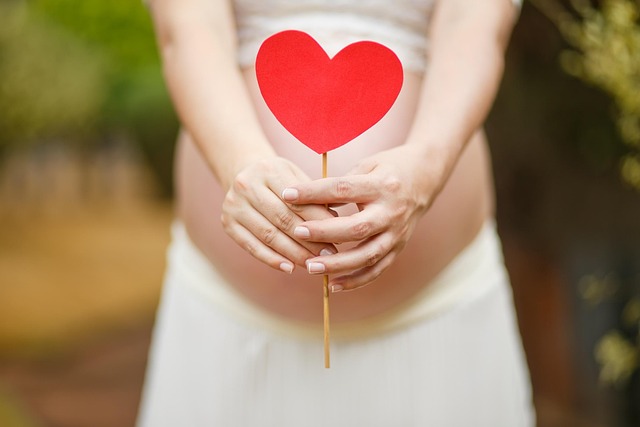
The Importance of a Preconception Diet for Artificial Insemination Success
3. Reduces the Risk of Pregnancy Complications: A preconception diet can also reduce the risk of pregnancy complications, such as gestational diabetes and preeclampsia. These conditions can not only affect the health of the mother but also increase the chances of a failed artificial insemination. By following a healthy diet, women can improve their overall health and reduce the risk of these complications, leading to a more successful and problem-free pregnancy.
4. Improves Overall Health: A preconception diet is not just beneficial for fertility and pregnancy, but it also improves overall health. By consuming a variety of whole foods, such as fruits, vegetables, whole grains, and lean proteins, the body receives essential nutrients that can boost the immune system, regulate hormones, and improve digestion. This can greatly benefit both partners, as they need to be in good health to support the pregnancy and the demanding process of artificial insemination.
5. Reduces the Impact of Toxins: Our bodies are exposed to various toxins every day, from environmental pollutants to processed foods. These toxins can negatively impact fertility and increase the risk of pregnancy complications. A preconception diet that focuses on whole, organic foods can reduce the intake of these toxins and provide the body with the necessary nutrients to eliminate them. This is important for women undergoing artificial insemination, as they need to provide the best possible environment for the developing fetus.
In conclusion, a preconception diet plays a vital role in the success of artificial insemination. By providing the body with essential nutrients, reducing the intake of toxins, and improving overall health, it can greatly increase the chances of conception and a healthy pregnancy. It is important for both partners to follow a preconception diet for at least three months before attempting artificial insemination, as it takes time for the body to respond to dietary changes. By working with a healthcare provider or a nutritionist, couples can create a personalized preconception diet that meets their specific needs and improves their chances of a successful artificial insemination.
SEO metadata: