Blog Post:
Artificial insemination, also known as intrauterine insemination (IUI), is a common fertility treatment method used to help couples conceive a child. It involves placing washed and concentrated sperm directly into a woman’s uterus, increasing the chances of fertilization. However, the success rates of artificial insemination can vary greatly, and one of the factors that may play a role in these rates is weight and BMI. In this blog post, we will delve into the role of weight and BMI in artificial insemination success rates and how it can affect the chances of pregnancy.
The Basics of Artificial Insemination
Before we dive into the relationship between weight and BMI with artificial insemination success rates, it is important to understand the basics of this fertility treatment method. Artificial insemination is commonly used for couples who have been trying to conceive for a year or more without success, as well as for same-sex couples and single women. It is a less invasive and more affordable option compared to other fertility treatments such as in vitro fertilization (IVF).
The process of artificial insemination begins with the collection of sperm from either the male partner or a sperm donor. The sample is then washed and prepared in a laboratory to increase the concentration of healthy and motile sperm. The next step involves placing this sperm directly into the woman’s uterus using a thin catheter. This process is typically done around the time of ovulation to increase the chances of fertilization.
The Role of Weight and BMI in Artificial Insemination Success Rates
When it comes to fertility and conception, weight and BMI can play a significant role. BMI, or body mass index, is a measure of body fat based on height and weight. It is used to determine if a person is underweight, normal weight, overweight, or obese. Studies have shown that both weight and BMI can have an impact on the success rates of artificial insemination.
A study published in the Journal of Reproductive Medicine found that women with a BMI of 19 or lower had a significantly lower pregnancy rate after artificial insemination compared to women with a BMI between 19 and 29. Women with a BMI of 30 or higher were also found to have a lower pregnancy rate. This suggests that there may be an optimal BMI range for women undergoing artificial insemination.
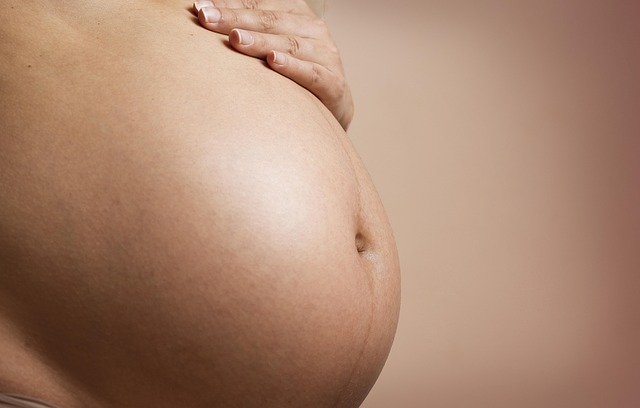
The Role of Weight and BMI in Artificial Insemination Success Rates
Another study published in the American Journal of Obstetrics and Gynecology found that women with a BMI of 25 or higher had a higher risk of failed insemination, as well as a lower pregnancy rate. This is because weight and BMI can affect hormone levels, ovulation, and the thickness of the uterine lining, all of which can impact the chances of pregnancy.
In addition to weight and BMI, studies have also shown that weight distribution, specifically abdominal fat, can play a role in artificial insemination success rates. A study published in the journal Fertility and Sterility found that women with a higher waist-to-hip ratio had a lower pregnancy rate after artificial insemination compared to women with a lower ratio. This is because abdominal fat can lead to insulin resistance, which can affect ovulation and hormone levels.
Improving Success Rates with Weight Management
Based on the research, it is clear that weight and BMI can have an impact on the success rates of artificial insemination. However, this does not mean that couples with a higher BMI or weight cannot successfully conceive using this method. There are steps that can be taken to improve the chances of pregnancy.
The first step is to work with a fertility specialist who can provide guidance on weight management and how it can affect fertility. For women with a higher BMI, losing even a small amount of weight can make a significant difference in hormone levels and ovulation, increasing the chances of pregnancy. This can be achieved through a combination of diet and exercise.
In some cases, fertility medications may be prescribed to help regulate ovulation and increase the chances of successful insemination. These medications may also be used in combination with weight management strategies to optimize the chances of pregnancy.
In conclusion, weight and BMI can play a role in artificial insemination success rates. Women with a BMI below 19 or above 30 may have a lower chance of pregnancy after artificial insemination. However, by working with a fertility specialist and focusing on weight management strategies, couples can improve their chances of conceiving through this method.
Summary:
Artificial insemination is a common fertility treatment method that involves placing washed and concentrated sperm directly into a woman’s uterus to increase the chances of fertilization. The success rates of artificial insemination can be affected by various factors, including weight and BMI. Studies have shown that women with a BMI below 19 or above 30 may have a lower chance of pregnancy after artificial insemination. This is because weight and BMI can affect hormone levels, ovulation, and the thickness of the uterine lining. However, by working with a fertility specialist and focusing on weight management strategies, couples can improve their chances of conceiving through this method.