The Power of Nutrition: How Diet Can Impact Artificial Insemination Success
Artificial insemination, also known as intrauterine insemination (IUI), is a common fertility treatment that involves placing sperm directly into a woman’s uterus to increase the chances of pregnancy. This procedure has helped many couples and individuals achieve their dream of starting a family, but it’s not always successful on the first try. In fact, the success rate for IUI is around 10-20% per cycle. While many factors can affect the success of artificial insemination, one often overlooked factor is nutrition. In this blog post, we will explore the power of nutrition and how diet can impact artificial insemination success.
The Importance of Nutrition in Fertility
Nutrition plays a crucial role in overall health and well-being, and it’s no different when it comes to fertility. A healthy and balanced diet is essential for reproductive health and can have a significant impact on the success of artificial insemination.
One of the key ways nutrition affects fertility is through its impact on hormone levels. Hormones such as estrogen, progesterone, and testosterone are crucial for reproductive function, and imbalances in these hormones can make it difficult to conceive. A diet high in processed foods, unhealthy fats, and sugar can disrupt hormone levels and decrease fertility. On the other hand, a diet rich in whole foods, healthy fats, and lean proteins can support hormone balance and improve fertility.
The Impact of Diet on Sperm Health
In artificial insemination, the quality of sperm is a crucial factor in the success of the procedure. Sperm health is affected by various factors, including diet. A diet high in antioxidants, vitamins, and minerals can improve sperm health and increase the chances of pregnancy.
Antioxidants, in particular, play a vital role in sperm health. They help protect sperm from oxidative stress, which can damage the sperm’s DNA and reduce its ability to fertilize an egg. Foods rich in antioxidants, such as fruits, vegetables, nuts, and seeds, should be a part of a man’s diet when undergoing artificial insemination.
Moreover, studies have shown that men with a high intake of trans fats, found in processed and fried foods, have lower sperm counts and motility. On the other hand, men who consume more healthy fats, such as omega-3 fatty acids, have better sperm quality. This emphasizes the importance of a healthy and balanced diet for sperm health and ultimately the success of artificial insemination.
The Role of Diet in Egg Quality
In artificial insemination, the quality of the egg is just as important as the quality of sperm. The health of the egg is crucial for successful fertilization and implantation. Like sperm, eggs are also affected by diet and nutrition.
A diet high in processed foods, unhealthy fats, and sugar can lead to inflammation in the body, which can harm egg quality. On the other hand, a diet rich in whole foods, healthy fats, and antioxidants can reduce inflammation and improve egg quality.
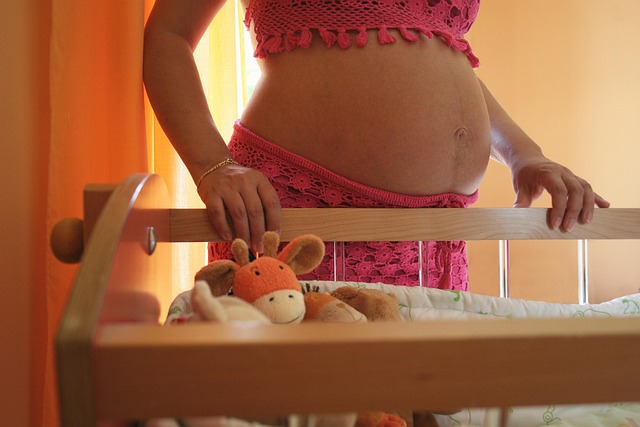
The Power of Nutrition: How Diet Can Impact Artificial Insemination Success
Moreover, nutrition can also impact a woman’s ovarian reserve, which refers to the number and quality of eggs she has available for fertilization. A diet high in nutrients, such as folate, vitamin D, and iron, can support optimal ovarian function and increase the chances of pregnancy in artificial insemination.
Lifestyle Factors and Nutrition
Aside from diet, other lifestyle factors can also impact fertility and the success of artificial insemination. These include stress levels, exercise, and habits such as smoking and excessive alcohol consumption. Nutrition plays a crucial role in these lifestyle factors as well.
A diet high in processed foods, unhealthy fats, and sugar can contribute to stress and anxiety, affecting hormonal balance and reproductive function. On the other hand, a diet rich in whole foods, healthy fats, and antioxidants can support stress management and promote relaxation.
Exercise is also essential for reproductive health, but strenuous or excessive exercise can have a negative impact on fertility. A diet that provides enough energy and nutrients to support physical activity can help maintain a healthy balance in exercise and fertility.
Furthermore, habits such as smoking and excessive alcohol consumption can harm fertility and decrease the chances of artificial insemination success. A healthy diet can support these lifestyle changes and improve overall reproductive health.
Tips for a Fertility-Friendly Diet
Now that we understand the importance of nutrition in artificial insemination success let’s look at some tips for a fertility-friendly diet:
1. Eat a variety of whole foods, including fruits, vegetables, whole grains, lean proteins, and healthy fats.
2. Choose organic and hormone-free foods when possible.
3. Incorporate foods rich in antioxidants, such as berries, leafy greens, nuts, and seeds.
4. Consume healthy fats, such as avocados, olive oil, and fatty fish.
5. Avoid or limit processed foods, unhealthy fats, and added sugars.
6. Stay hydrated by drinking plenty of water.
7. Consider taking supplements, such as folate, vitamin D, and omega-3 fatty acids.
8. Talk to a healthcare professional about any specific dietary needs or restrictions.
In conclusion, nutrition plays a significant role in the success of artificial insemination. A healthy and balanced diet can support hormone balance, improve sperm and egg quality, and promote overall reproductive health. By making dietary changes and incorporating fertility-friendly foods, individuals and couples can increase their chances of a successful artificial insemination.
Summary:
– Nutrition plays a crucial role in fertility and can impact the success of artificial insemination.
– A healthy and balanced diet can support hormone balance, improve sperm and egg quality, and promote overall reproductive health.
– Diet can also affect lifestyle factors such as stress levels, exercise, smoking, and alcohol consumption, which can impact fertility.
– Tips for a fertility-friendly diet include eating whole foods, incorporating antioxidants and healthy fats, and limiting processed foods and added sugars.