Summary:
Endometriosis is a common and often painful condition that affects millions of women worldwide. It occurs when the tissue that lines the uterus grows outside of it, causing inflammation, scarring, and other complications. One of the most frustrating aspects of endometriosis is its impact on fertility. Many women with this condition struggle to conceive and carry a pregnancy to term, leading to feelings of hopelessness and despair. However, there is a safe and effective fertility treatment option for women with endometriosis – the Syringe Fertility Method.
The Syringe Fertility Method is a relatively new technique that has shown promising results in helping women with endometriosis conceive. It involves the use of a syringe to remove excess fluid from the ovaries and fallopian tubes, which can improve egg quality and increase the chances of successful fertilization. This method has gained popularity in recent years as it is minimally invasive, has minimal side effects, and does not require surgery.
In this blog post, we will dive deeper into the Syringe Fertility Method, its benefits, and how it can provide hope for women with endometriosis who want to start a family.
What is Endometriosis?
Endometriosis is a condition in which the tissue that lines the uterus, known as the endometrium, grows outside of it. This tissue can grow on other organs in the pelvic area, such as the ovaries, fallopian tubes, and bowel, causing inflammation, scarring, and adhesions. These adhesions can lead to pain and discomfort, especially during menstrual periods, sexual intercourse, and bowel movements.
According to the Endometriosis Foundation of America, endometriosis affects 1 in 10 women of reproductive age, and it is estimated that 30-50% of women with endometriosis struggle with fertility issues. The exact cause of endometriosis is still unknown, but researchers believe that it may be due to genetic, hormonal, and environmental factors.
Impact on Fertility
One of the most challenging aspects of endometriosis is its impact on fertility. The condition can affect fertility in several ways:
1. Inflammation: The excess tissue growth and inflammation caused by endometriosis can damage the ovaries and fallopian tubes, affecting ovulation and the fertilization process.
2. Hormonal imbalance: Endometriosis can cause hormonal imbalances, leading to irregular or absent ovulation. This can make it difficult for women with endometriosis to get pregnant.
3. Adhesions: The scar tissue and adhesions caused by endometriosis can block the fallopian tubes, preventing the sperm from reaching the egg for fertilization.
4. Egg quality: The inflammation and hormonal imbalances caused by endometriosis can also affect the quality of eggs produced, making fertilization and implantation less likely.
The Syringe Fertility Method: How Does it Work?
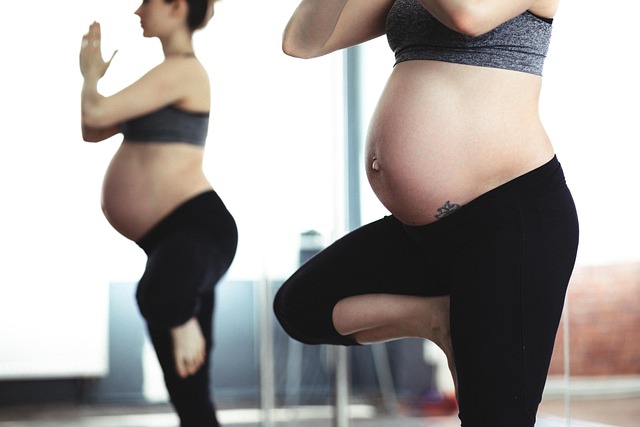
Syringe Fertility Method: A Safe and Effective Option for Women with Endometriosis
The Syringe Fertility Method is a minimally invasive procedure that aims to improve egg quality and increase the chances of successful fertilization in women with endometriosis. It involves the use of a syringe to remove excess fluid from the ovaries and fallopian tubes, known as ovarian and tubal lavage.
The procedure is typically performed under local anesthesia and takes about 30 minutes to complete. A small needle is inserted into the ovaries and fallopian tubes, and a saline solution is used to flush out any excess fluid. The fluid is then collected in a syringe and examined for any abnormalities. The procedure is painless and does not require any incisions or stitches.
Benefits of the Syringe Fertility Method
1. Minimally invasive: The Syringe Fertility Method is a minimally invasive procedure, meaning it does not require any incisions or stitches. This reduces the risk of infection and complications and allows for a faster recovery time.
2. Improves egg quality: By removing excess fluid from the ovaries and fallopian tubes, the Syringe Fertility Method can improve egg quality, making it easier for fertilization to occur.
3. Increases chances of successful fertilization: The removal of excess fluid also creates a more favorable environment for sperm to reach and fertilize the egg, increasing the chances of successful fertilization.
4. No side effects: Unlike other fertility treatments, the Syringe Fertility Method has minimal side effects. Some women may experience mild cramping or spotting, but these symptoms usually resolve within a day or two.
5. Cost-effective: Compared to other fertility treatments, the Syringe Fertility Method is relatively affordable, making it accessible to more women.
Success Rates
Studies have shown that the Syringe Fertility Method can improve egg quality and increase the chances of successful fertilization in women with endometriosis. A study published in the Journal of Experimental & Clinical Assisted Reproduction found that the pregnancy rate after the Syringe Fertility Method was 51.9%, compared to 24.8% before the procedure.
Another study published in the American Journal of Obstetrics and Gynecology showed that the Syringe Fertility Method had a higher pregnancy rate and lower miscarriage rate compared to other fertility treatments in women with endometriosis.
Conclusion
The Syringe Fertility Method is a safe, effective, and minimally invasive fertility treatment option for women with endometriosis. It can improve egg quality, increase the chances of successful fertilization, and provide hope for women struggling with infertility due to endometriosis. If you have endometriosis and are trying to conceive, speak to your doctor about the Syringe Fertility Method and see if it is a suitable option for you.
SEO Metadata: