Summary:
Recurrent pregnancy loss (RPL) is a heartbreaking reality for many women and couples. It refers to two or more consecutive pregnancy losses, usually before the 20th week of pregnancy. RPL affects approximately 1-2% of couples trying to conceive and can have a significant emotional and physical toll. While there are various causes for RPL, one promising treatment that has shown success is the Syringe Fertility Method (SFM).
The SFM is a relatively new technique that involves the injection of a small amount of a woman’s blood into the uterus during the crucial window of implantation. This method is based on the theory that the woman’s own immune cells, specifically natural killer cells (NK cells), may be attacking the developing embryo, leading to recurrent miscarriages. By introducing a small amount of the woman’s blood into the uterus, the SFM aims to suppress these NK cells and create a more favorable environment for the embryo to implant and thrive.
Studies have shown that the SFM has promising results, with up to 70% of women who have undergone the treatment achieving a successful pregnancy. This is a significant improvement compared to other treatments such as immunotherapy and IVF, which have success rates of only 30-40%. Additionally, the SFM is a relatively simple and cost-effective procedure compared to other treatments, making it a more accessible option for couples struggling with RPL.
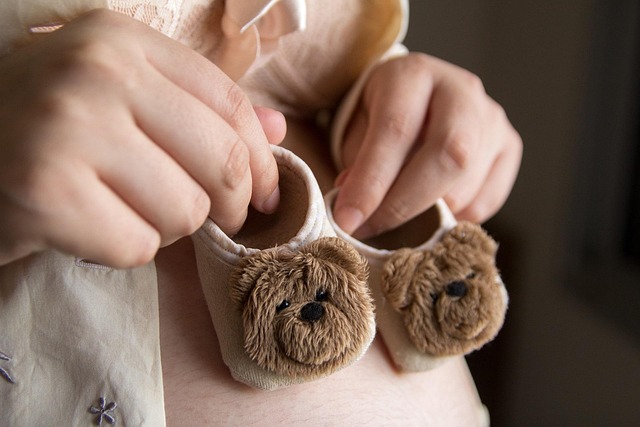
Syringe Fertility Method: A Promising Treatment for Recurrent Pregnancy Loss
One of the key benefits of the SFM is its non-invasive nature. Unlike other treatments that involve medication or surgery, the SFM only requires a simple injection into the uterus, which can be done in a doctor’s office. This reduces the risk of side effects and complications, making it a safer option for women who may have other health conditions or concerns.
Another advantage of the SFM is that it can be personalized for each individual. Through a series of blood tests and ultrasounds, the SFM can determine the optimal time for the injection based on a woman’s menstrual cycle and hormone levels. This personalized approach increases the chances of success and reduces the risk of unnecessary treatments.
While the SFM has shown promising results, it is important to note that it may not be suitable for all cases of RPL. It is essential to consult with a fertility specialist to determine the underlying cause of RPL and whether the SFM is the right treatment option. Additionally, it is recommended to combine the SFM with other lifestyle changes, such as a healthy diet, regular exercise, and reducing stress, to further improve the chances of a successful pregnancy.
In conclusion, the Syringe Fertility Method is a promising treatment for recurrent pregnancy loss. It offers a non-invasive, personalized, and cost-effective option for couples struggling with RPL. While further research is needed to fully understand its effectiveness, the SFM has shown promising results and offers hope for couples who have experienced the heartache of multiple pregnancy losses.