Blog Post:
Fertility and age are closely linked, and as women get older, their chances of conceiving naturally decreases. Many women are choosing to delay starting a family for various reasons, such as career advancements, financial stability, or personal choices. However, when they do decide to try to conceive later in life, they may face challenges due to declining fertility. In this blog post, we will discuss the factors that affect fertility as women age and explore some at-home aids that can help women increase their chances of conceiving.
The Link Between Age and Fertility
As women age, their fertility begins to decline due to several factors. Firstly, women are born with a limited number of eggs, and as they age, the quality and quantity of these eggs decrease. This means that the chances of a successful pregnancy also decrease as women get older. Additionally, as women reach their late 30s and 40s, they are more likely to experience hormonal imbalances, which can make it harder to conceive. Other lifestyle factors, such as smoking, excessive alcohol consumption, and being overweight, can also negatively impact fertility.
At-Home Aids for Women Trying to Conceive Later in Life
While age can affect fertility, there are some at-home aids that women can try to increase their chances of conceiving. These aids include tracking ovulation, improving overall health and wellness, and using fertility supplements.
Tracking Ovulation
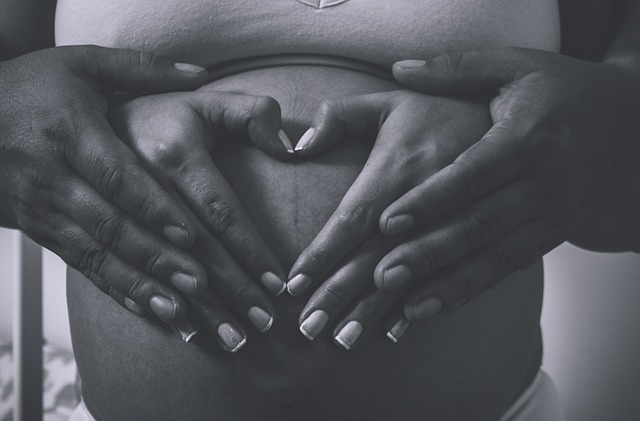
Fertility and Age: At-Home Aids for Women Trying to Conceive Later in Life
Ovulation is the release of an egg from the ovary, which is necessary for conception to occur. As women age, they may experience irregular ovulation, making it harder to predict when they are most fertile. However, tracking ovulation can help women determine the best time to try to conceive. This can be done through various methods, such as using ovulation predictor kits, tracking basal body temperature, or monitoring changes in cervical mucus.
Improving Overall Health and Wellness
Maintaining overall health and wellness is crucial for women trying to conceive, especially as they get older. This includes following a healthy diet, exercising regularly, and managing stress levels. A healthy diet rich in fruits, vegetables, and whole grains can help improve fertility by providing essential vitamins and nutrients. Exercise can also help regulate hormones and improve overall physical and mental well-being. Additionally, managing stress levels is important as high levels of stress can negatively impact fertility.
Using Fertility Supplements
Fertility supplements are becoming increasingly popular among women trying to conceive later in life. These supplements are designed to provide essential vitamins and minerals that can improve fertility. Some of the most common fertility supplements include folic acid, vitamin D, and Coenzyme Q10. However, it is essential to consult with a healthcare provider before taking any supplements to ensure they are safe and suitable for individual needs.
Summary:
As women age, their fertility declines due to various factors such as a decrease in the quality and quantity of eggs, hormonal imbalances, and lifestyle choices. However, there are some at-home aids that can help women increase their chances of conceiving later in life. These include tracking ovulation, maintaining overall health and wellness, and using fertility supplements. By incorporating these aids into their journey towards parenthood, women can improve their chances of conceiving and starting a family, even at a later age.