Blog Post Title: Fertility and Exercise: Finding the Balance in Home Treatment
Summary:
Fertility is a delicate and complex topic for many individuals and couples. When trying to conceive, there are various factors that can impact fertility, including diet, stress levels, and exercise. While exercise is often recommended for overall health and well-being, it can also play a crucial role in fertility. However, too much or too little exercise can have adverse effects on fertility, making it essential to find the right balance.
This blog post will explore the relationship between fertility and exercise and provide tips on how to find the right balance in home treatment. We will also discuss the best types of exercises for fertility and how to modify them according to individual needs.
Firstly, we will delve into the effects of exercise on fertility. Regular exercise can improve fertility by reducing stress, regulating hormones, and improving overall health. However, excessive exercise can lead to hormonal imbalances and disruption of the menstrual cycle, affecting ovulation and fertility. On the other hand, a sedentary lifestyle can also have negative impacts on fertility. Therefore, it is crucial to find a moderate level of physical activity that works for each individual.
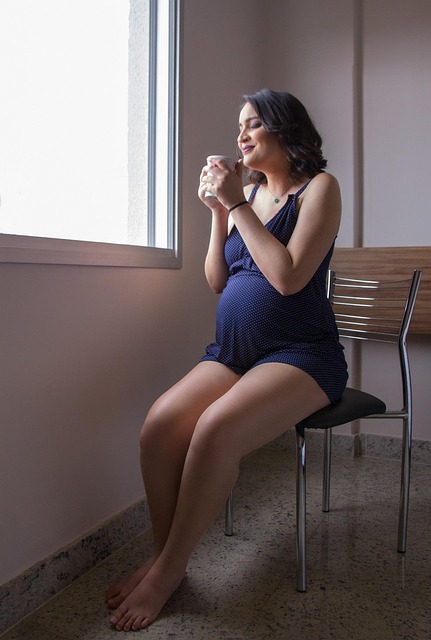
Fertility and Exercise: Finding the Balance in Home Treatment
Next, we will discuss the best types of exercises for fertility. Low-impact exercises such as walking, swimming, and yoga are highly recommended for those trying to conceive. These exercises can help reduce stress, improve circulation, and promote relaxation. Strength training and high-intensity exercises should be done in moderation as they can increase cortisol levels and affect ovulation. It is essential to listen to your body and modify exercises accordingly.
We will also address the issue of over-exercising and the impact it can have on fertility. Over-exercising, or exercising beyond one’s physical limits, can lead to Amenorrhea, a condition where a woman stops ovulating due to excessive physical activity. This can also lead to a decrease in estrogen levels, affecting fertility. Therefore, it is crucial to be mindful of one’s exercise routine and make necessary modifications if needed.
In addition to exercise, we will also discuss other lifestyle factors that can impact fertility, such as stress and diet. Stress can have a significant impact on fertility, as it can disrupt hormone levels and affect ovulation. Therefore, incorporating stress-reducing activities such as meditation, deep breathing, or counseling can be beneficial for fertility. A healthy and balanced diet is also crucial for fertility, as it can provide essential nutrients for reproductive health.
Furthermore, we will provide tips on how to find the right balance between exercise and fertility. It is essential to listen to your body and pay attention to any changes in your menstrual cycle or ovulation patterns. If you are experiencing irregular periods or difficulty conceiving, it may be a sign that your exercise routine needs to be modified. It is also crucial to consult with a healthcare professional before making any significant changes to your exercise routine.
In conclusion, exercise can play a vital role in fertility, but finding the right balance is key. It is crucial to maintain a moderate level of physical activity, incorporate stress-reducing activities, and maintain a healthy diet for optimal fertility. By being mindful of one’s exercise routine and making necessary modifications, individuals and couples can increase their chances of conceiving naturally.