Summary:
Reproductive health is a vital aspect of overall well-being for both men and women. However, with the increasing prevalence of fertility issues, it has become crucial to take active steps in boosting reproductive health. One way to do so is by having a fertility kit that includes essential items and practices for maintaining and improving reproductive health. In this blog post, we will discuss the necessary components of a fertility kit and how they can benefit your reproductive health.
Key Components of a Fertility Kit:
1. Fertility Supplements:
Fertility supplements are designed to provide essential nutrients and vitamins that support reproductive health. These supplements can help regulate hormones, improve egg and sperm quality, and increase fertility. Some of the key ingredients to look for in fertility supplements include folic acid, zinc, and vitamin D.
2. Ovulation Predictor Kits:
For women trying to conceive, ovulation predictor kits are an essential tool. These kits detect the surge in luteinizing hormone (LH) that occurs before ovulation, helping women identify their most fertile days. By tracking ovulation, women can increase their chances of getting pregnant.
3. Sperm-Friendly Lubricants:
Many couples struggling with fertility issues may not realize that certain lubricants can harm sperm and reduce their chances of conception. To avoid this, it is essential to use sperm-friendly lubricants that are specially formulated to support sperm motility and survival.
4. Basal Body Thermometer:
Tracking basal body temperature (BBT) is another method to determine ovulation. A woman’s BBT rises slightly after ovulation, indicating the most fertile days. A basal body thermometer is more sensitive than a regular thermometer, making it easier to track BBT accurately.
5. Preconception Genetic Testing:
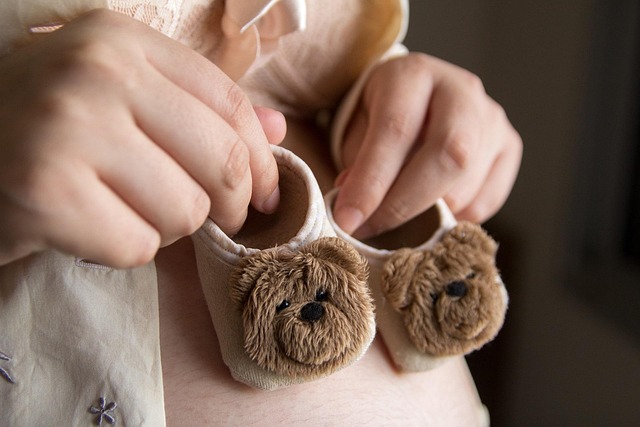
Boosting Your Reproductive Health: What You Need in Your Fertility Kit
Genetic testing can identify potential genetic disorders that may affect fertility or increase the risk of passing on genetic conditions to future children. Preconception genetic testing can help couples make informed decisions and seek appropriate medical care if necessary.
6. Healthy Diet and Exercise:
Maintaining a healthy diet and regular exercise can play a crucial role in reproductive health. A diet rich in fruits, vegetables, whole grains, lean proteins, and healthy fats can improve fertility. Similarly, regular exercise can help maintain a healthy weight and regulate hormone levels, both of which are essential for reproductive health.
7. Stress Management Techniques:
Stress can have a significant impact on reproductive health. High levels of stress can disrupt hormone production and ovulation in women and decrease sperm production in men. Therefore, it is crucial to incorporate stress management techniques such as yoga, meditation, or therapy into your daily routine to boost reproductive health.
8. Tracking Menstrual Cycle:
For women trying to conceive, tracking their menstrual cycle is crucial. By tracking the length of their cycles and the duration of their periods, women can identify any irregularities that may affect fertility. This information can also be helpful for healthcare providers in diagnosing and treating any underlying issues.
9. Regular Check-ups:
Regular visits to your healthcare provider are essential for maintaining reproductive health. These check-ups can help identify any potential issues early on and provide appropriate treatment. It is especially crucial for women to have regular gynecological exams to ensure the health of their reproductive organs.
10. Proper Hydration:
Staying hydrated is essential for overall health, including reproductive health. Water helps transport nutrients and hormones throughout the body and aids in the production of cervical mucus, which is crucial for conception. Therefore, it is essential to drink enough water throughout the day to maintain optimal reproductive health.
In conclusion, a fertility kit is a valuable resource for boosting reproductive health. By including essential items such as fertility supplements, ovulation predictor kits, sperm-friendly lubricants, and practicing healthy habits like a balanced diet, exercise, and stress management, you can improve your chances of conceiving. Regular check-ups, preconception genetic testing, and proper hydration are also vital components of a fertility kit. By taking an active role in maintaining reproductive health, you can increase your chances of conceiving and achieve a healthy pregnancy.