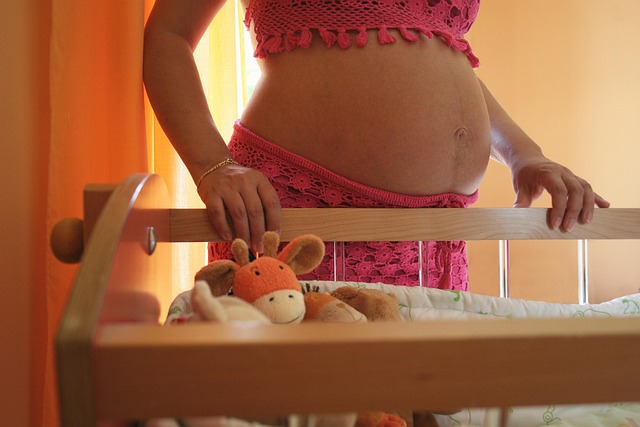
 artificial insemination syringe
At first, everything seemed fine. And then it all changed.
By Jamie Parker
Updated: Feb. 20, 2024
Originally Published: June 15, 2022
Before becoming a mother, I had never envisioned myself as a parent. In fact, I still question that choice. So when I found out I was pregnant, I braced myself for postpartum depression. Given my history with depression and anxiety, I assumed the emotional fallout would hit me before I even gave birth.
To my surprise, I managed to cope. I wasn’t ecstatic or even particularly happy, but I was functioning. Sure, I cried often and had moments of despair, regularly questioning my decision to become a parent. Yet, I convinced myself that my reactions were normal for someone in my situation. For a year and a half, I was amazed at how well I managed while caring for a child I had never wanted.
Then, everything spiraled. My son’s tantrums began, and soon enough, my own rage followed suit. Anyone familiar with a toddler’s outbursts knows their intensity—screaming, flailing, hitting, and more. There was even a moment when he struck me hard enough with a sippy cup to draw blood.
From that point, my life felt like a blur of misery. I would take walks in the sunlight, grappling with feelings of regret about my pregnancy, replaying decisions that led me to this point. I often compared myself to friends with seemingly happy families, which only deepened my despair. My life became a cacophony of our cries, echoing the question, “What have I done?”
Then came the rage. My son would start crying, and my anger would surge almost instantly. It began with a rush of adrenaline, quickly morphing into a boiling heat that consumed me. I could feel it rising, burning in my chest and tightening my throat, but I felt powerless to stop it. It was like standing in front of a tidal wave.
I’d lose my patience quickly, and soon rational thought would flee. The parenting strategies I knew eluded me. I found myself clenching my fists, swatting away whatever object he held as if it were a weapon, and sometimes even throwing things. There were moments I’d grab him too tightly, scaring both of us. I remember screaming into a pillow while he cried in his high chair, and once I even punched a wall, leaving my hand swollen and bruised for days.
After each episode, embarrassment washed over me. I could see the concern in my partner’s eyes as he dealt with two raging individuals. I knew I was making things harder for him, which only heightened my anxiety. He never judged me, yet I felt ashamed for losing my temper and my sense of control. And I was exhausted—physically and emotionally.
Recently, I revisited my journal to pinpoint when everything unraveled. It was clear as day: my son’s tantrums began around 19 months, and by June of that year, my writing reflected my declining ability to cope.
Journal Entries
June 2
“Perhaps the worst part about having a baby is how helpless it makes me feel. This morning, Max was pulling me in the wrong direction. He lost it, hitting me when I reprimanded him. What ensued was a spiral of trying, failing, and crying. I ended up saying, ‘I fucking hate you,’ and bizarrely called him a ‘little dictator.’ After what felt like forever, I gave him Cheerios and peace was restored. I was angry, resentful, and frustrated with his inability to express his needs. I felt defeated and humiliated because my husband had to step in and rescue me. All of this happened because my child was simply hungry. I was the idiot.”
August 9
“The last couple of months with Max have been tough. Daily tantrums have left me feeling depressed. I’m quick to anger and emotionally shutdown. At times, I’m as bad as he is.”
November 2
“I honestly don’t understand how parents do this. He breaks me so quickly. It’s humiliating. I’ve started admitting that I hate him and this situation.”
November 20
“Yesterday was one of the worst days. The combination of anger, anxiety, sadness, and guilt has never felt so overwhelming.”
That day marked my lowest point. My journal reflects a familiar cycle of escalating events that culminated in both of us sobbing against a wall, until my partner intervened, worried for our child’s safety.
After a month in therapy, I resumed antidepressants in December.
January 7
“The medication is working.”
That last entry feels like a lifetime ago. I started the medication about two weeks after writing, and it has significantly improved my mood. I’ve become calmer and can better handle my son’s tantrums. I’ve regained patience and a more positive outlook; I haven’t cried in weeks.
Looking back, it’s almost comical how evident my depression was. I would find myself laughing around my partner or managing tricky situations well, feeling foolish for not addressing my issues earlier. At the time, I thought my anger was justified—after all, my son was difficult.
I wanted to know how much anger was normal, so I turned to an expert. I reached out to Dr. Sarah Thompson, a leading authority on perinatal mood disorders.
“Mom rage is a genuine phenomenon,” she confirmed.
I described my unexpected feelings of rage. Typically, anger wasn’t my primary emotion—it was new territory for me. Dr. Thompson explained that while there are overlaps between general depression and postpartum depression, the latter often includes intense rage and frustration.
“Many women experience anger as a significant symptom of perinatal mood and anxiety disorders,” she said.
If excessive anger is accompanied by other symptoms like hopelessness or intrusive thoughts, it might indicate a deeper issue. However, expressing rage doesn’t automatically mean you have clinical depression. Sometimes it reflects the challenges of motherhood itself.
“Sleep deprivation can lead anyone to snap,” she noted. “New parents experience extreme exhaustion, and nothing can truly prepare them for the reality of parenting.”
As she spoke, I felt my thoughts echoing in her words. Motherhood is challenging—children don’t communicate, and they can turn your world upside down. It’s not uncommon to feel anger towards your child and even question your choices.
Dr. Thompson reassured me that the rage might not disappear entirely, but for many women, it peaks during significant hormonal changes or stressful periods.
I suppose I started my journey into motherhood with an awareness that I didn’t want to be a parent. But the anger that came with it surprised and overwhelmed me.
If you’re navigating similar feelings, check out this insightful resource from the American College of Obstetricians and Gynecologists on treating infertility, which may provide additional perspective.
For more information on boosting fertility, consider reviewing this resource on fertility supplements.
If you’re interested in learning more, visit one of our previous blog posts for additional insights!
Search Queries:
- postpartum anger
- coping with toddler tantrums
- postpartum mental health
- understanding mom rage
- perinatal mood disorders
In summary, many new mothers experience unexpected emotions, including anger and frustration. Understanding these feelings can be the first step toward seeking help and coping effectively.
Keyphrase: postpartum rage
Tags: [“home insemination kit”, “home insemination syringe”, “self insemination”]