 artificial insemination syringe
My partner and I tied the knot when we were just twenty-one. We were aware that starting a family wasn’t in the cards for us right away. With my PCOS complicating matters, our first child arrived just before I turned twenty-eight. We had plans for two more kids, but I wasn’t keen on having them back-to-back. Since I was already nearing thirty, I felt the pressure to have both children before turning thirty-five, as if everyone believed that was the magic age cut-off.
Who hasn’t heard the cautionary tales about fertility supposedly declining after thirty-five? Many of us have that one well-meaning relative who insists we won’t have the energy to keep up with little ones if we don’t start having them in our twenties or early thirties. As I navigated my own journey of motherhood, turning thirty-five felt like an impending deadline that added unnecessary stress to the experience.
I welcomed my second child at thirty-one, but life threw us some curveballs after that. My PCOS flared up, I faced a heartbreaking miscarriage, and I even had a scare with ovarian cancer that thankfully turned out to be nothing serious. I lost one of my fallopian tubes, and by the time I reached thirty-four, having our last baby felt like a distant dream. The age of thirty-five was looming, and I thought it would be the end of the line.
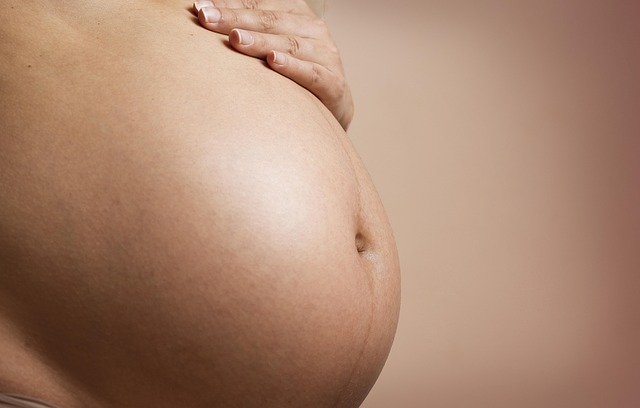
But then fate intervened, and I found out I was pregnant that spring. Our third child was born just a month and a half after my thirty-fifth birthday. Throughout my pregnancy, I often encountered remarks from healthcare professionals like, “Oh, right on schedule!” An aunt even asked, “This is the last one, right? You’re almost thirty-five!”
The arrival of my third child taught me a crucial lesson: forget that imaginary deadline at thirty-five. And disregard anyone who implies that having a healthy, joyful pregnancy in your late thirties is out of the question. I regret wasting even a moment worrying about how I’d feel as a mom over forty when my youngest started kindergarten. I can’t believe I ever doubted my ability to keep up with a baby simply because I was in my mid-thirties. It was all so nonsensical. In fact, I believe I’m a much more patient and experienced mom to my youngest, thanks to the life lessons and stability my partner and I have gained over the years.
If I had chosen to continue expanding our family, I would have been more than capable of doing so, even approaching thirty-seven. My youngest isn’t missing out on anything that her older brother had, except for the anxiety that often comes with new motherhood. If we had wanted a fourth child, I was in a perfectly good place to make that happen.
For those who reach this age milestone, thirty-five is nowhere near as old as it seems when you’re in your twenties. It’s still quite young! Many of us are still figuring out our life paths by thirty-five, having worked hard to establish our careers. Others may not be in the right relationship to start a family in their twenties or simply want to wait until they’re financially stable before having a child.
There are countless reasons for having kids after thirty-five, and none of them should concern others. It’s perfectly fine if you chose to have your children early. My best friend, for instance, became a mother at twenty and is now navigating high school graduations while I manage a toddler and elementary school kids. We’ve both taken different paths, and neither of us holds any judgment about our choices.
There’s no moral high ground for completing your family before thirty-five. Celebrities like Anna Kendrick, Robert Pattinson, and Lady Gaga are all thirty-five, and they aren’t being ushered into retirement homes just yet.
I’ll admit, my experience with pregnancy at thirty-five was a bit more challenging, but that could be attributed to having two other kids to care for. Who knows how much my age truly played a role? We are all subject to the realities of biology, and while it’s true that fertility begins to decline in our mid-thirties, it’s not as if your reproductive capabilities vanish the moment you hit thirty-five.
Many people go on to have healthy pregnancies well into their forties. It’s essential to understand how age might impact your personal situation and work with your healthcare provider to align your fertility goals. However, there’s no reason to view thirty-five as a hard deadline, nor should you tolerate those who do.
Thirty-five is not “too old” to become a wonderful parent. Every individual must consider their own health and fertility in consultation with their doctor and assess any risks based on their unique history. While some may need to have children earlier, that doesn’t mean everyone should adhere to the same timeline. Thanks to modern science, there are plenty of options available.
So let’s put this outdated notion of a time limit behind us. Many of us still have plenty of years ahead for baby-making after thirty-five.
For more insights, check out this helpful resource on pregnancy and explore our home insemination guide for more information. If you’re looking for quality products, consider this artificial insemination kit by a trusted source.
Search Queries:
- home insemination kit
- self insemination
- home insemination syringe
- fertility after 35
- trying to conceive
In summary, age should not dictate your journey to parenthood. There are many factors to consider, and with the right support and information, having children after thirty-five can be a fulfilling experience.
SEO Metadata:
Keyphrase: Parenting After 35
Tags: [“home insemination kit” “home insemination syringe” “self insemination”]