 artificial insemination syringe
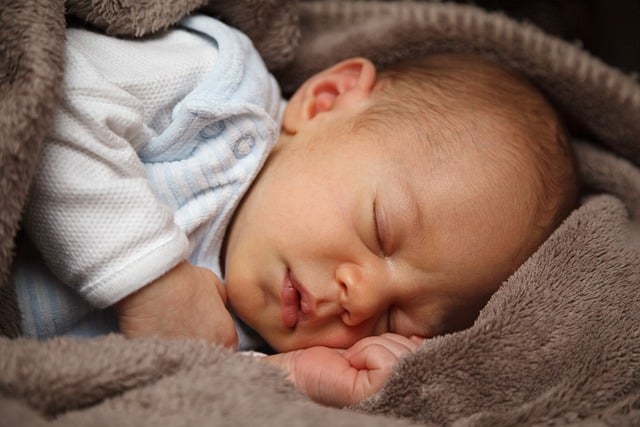
The Olympics are set to return, a statement that feels surreal in light of the ongoing global health crisis. Initially postponed in 2020 due to the pandemic, the Games are back, but they won’t resemble the traditional events we are used to. One significant change is the absence of overseas spectators. This year, not only foreign fans but also family members, including the infants of breastfeeding athletes and coaches, are barred from attending. Consequently, nursing Olympians may have to make the painful choice between competing and caring for their babies.
“This policy is harmful to athlete mothers and coaches,” said Alex Johnson, CEO and advocate for working mothers, in a recent interview. “The pressure of competing while being away from an infant is simply unacceptable.” Many athletes share this sentiment. Jamie Lee, a long-distance runner and mother to a four-month-old, echoed these concerns, emphasizing that her performance hinges on having her baby with her. Even renowned athlete Mia Parker has mentioned she might reconsider participating if she can’t bring her child along.
There is hope that the International Olympic Committee (IOC) will revise its policy regarding infants and young children. If not, companies like Milk Stork are stepping in to assist breastfeeding athletes and coaches by providing an option for shipping breast milk back home. Milk Stork, a pioneer in breast milk shipping services, aims to simplify the process for traveling or working mothers. For those shipping internationally, they only need to pump and freeze their milk; Milk Stork takes care of the rest, including providing pre-printed labels and necessary documentation.
Despite the logistical challenges presented by the Olympic Village, Milk Stork is committed to supporting nursing athletes. The company was founded after Johnson experienced the difficulty of transporting her pumped milk while traveling for work. She recognized that no mother should have to face such challenges or justify their circumstances to others.
Tackling the issue of nursing mothers in high-stress environments like the Olympics is crucial not just for the athletes but for society as a whole. “When women are forced to choose between their careers and their families, everyone loses,” Johnson remarked. “Our families should not be seen as barriers to success; they should empower us.”
For those breastfeeding athletes and coaches planning to attend the Olympics, resources are available, and it’s essential to reach out for support. Additional information can also be found in our post about navigating the journey of home insemination, which can be found here: Home Insemination Kit. For further insights into family planning and fertility, check out Make a Mom, an authority on this subject, and Women’s Health, an excellent resource for pregnancy and home insemination.
Summary
The current ban on infants attending the Olympics puts nursing athletes in a challenging position, forcing them to choose between their sport and their babies. Advocates for working mothers are pushing for policy changes to support these athletes, emphasizing the importance of family in achieving success.
Search Queries
- Home insemination kits for athletes
- Breastfeeding support for working mothers
- Olympic athletes and parenting challenges
- Shipping breast milk internationally
- Nursing mothers at major events
Keyphrase: Olympians and Parenting Challenges
Tags: [“home insemination kit” “home insemination syringe” “self insemination”]