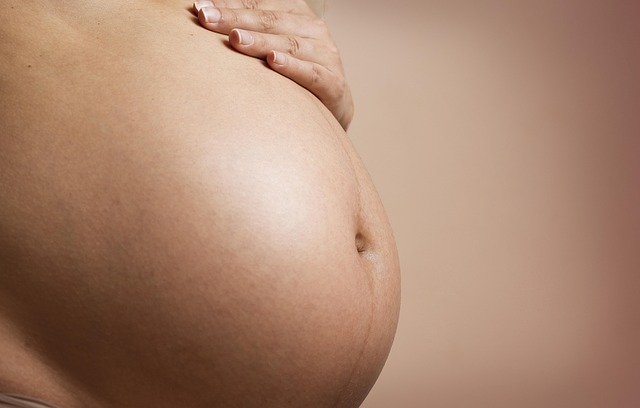
 artificial insemination syringe
Pregnancy can be a rollercoaster ride for many women, especially when it comes to libido. I remember feeling completely drained during the first trimester of my pregnancies. Even without the demands of children tugging at my attention, I could have easily dozed off at any moment. My sex drive? Well, it seemed to vanish entirely, almost like it was flushed away with my first positive test.
Throughout that early phase, I often felt nauseous, and when I wasn’t battling morning sickness, I had an insatiable appetite that left me too weary to think about intimacy. As night fell, the idea of arousal felt like a distant memory.
However, things did shift after those initial months. I recall attempting to surprise my partner by slipping into a sexy outfit, only to find it straining against my growing belly. One minute, I was repulsed by even the lightest touch, and the next, I was eagerly pursuing him at the front door—an experience that was both amusing and confusing.
As my pregnancy progressed, those moments of heightened desire became infrequent. By the end of the third trimester, when even getting out of bed felt like a monumental task, thoughts of intimacy were far from my mind. After experiencing this cycle three times, I realized it was just how my body responded during pregnancy. Conversations with friends confirmed that my experiences were far from unique.
Initially, I felt disheartened when my libido dwindled, especially since my partner and I had enjoyed a healthy sexual relationship shortly before getting pregnant. Many women, like me, might not be aware that such fluctuations in desire are completely normal. It’s essential to remember that “normal” encompasses a broad spectrum of experiences. Just because someone else seems to maintain an active sex life during pregnancy doesn’t mean that you should feel pressured to do the same.
In the first trimester, surging hormones like estrogen and progesterone can create symptoms that are anything but sensual. Fatigue, sore breasts, and nausea can make intimacy feel like an impossible task. However, as these hormone levels stabilize in the second trimester, many women may experience a resurgence of energy and heightened blood flow, leading to increased arousal.
It’s perfectly fine to take a break from sexual activity if you need it. You shouldn’t feel obligated to engage in intimacy when you’re not in the mood. Conversely, if you’re feeling frisky and want to explore that side of yourself, go for it! And if that means investing in a new toy to satisfy your desires, treat yourself.
Above all, be kind to yourself during this transformative time. Your libido might fluctuate wildly, and that’s completely normal. Hormonal changes can impact your mood in various ways, including your sexual desires.
If you’re looking for more insights on this topic, check out one of our other blog posts here. You might also want to explore this excellent resource for pregnancy and home insemination.
Search Queries:
- pregnancy libido changes
- hormonal changes during pregnancy
- first trimester sex drive
- second trimester libido boost
- postpartum sexual health
In summary, navigating changes in libido during pregnancy is a common experience. Hormonal fluctuations and the physical demands of pregnancy can dramatically affect your desire for intimacy. It’s important to recognize that whether your libido is high or low, it’s all part of the journey, and there’s no right or wrong way to feel.
Keyphrase: libido changes during pregnancy
Tags: [“home insemination kit” “home insemination syringe” “self insemination”]