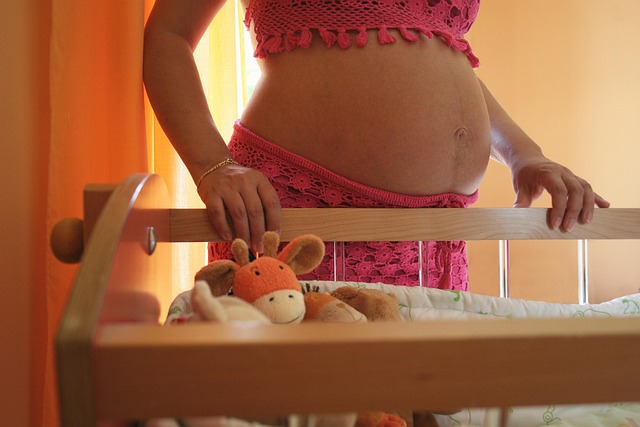
As a former educator, I approached motherhood with the same diligence I applied to my studies. I was a straight-A student in Education, and upon discovering I was pregnant, I set out to become an expert in parenting.
I spent hours in the back of my town’s largest bookstore, surrounded by colorful stacks of parenting books—on topics like sleep strategies, feeding routines, and different parenting philosophies. I immersed myself in a world of advice, trying to make sense of the conflicting approaches until I discovered one that resonated with me: attachment parenting. This choice felt right, perhaps because it starkly contrasted my own upbringing. My mother left when I was six, and my sisters and I were primarily raised by our father.
With my parenting approach researched and chosen, I swaddled, sang, rocked, and soothed my way through the early years. I carried my daughter close to my heart, enriching her life with books, music, and nature. But when she turned two, I fell ill, and suddenly all my preparation seemed futile. I felt like I was failing at motherhood.
“I just need a good night’s sleep,” I told my concerned partner, dismissing the peculiar pains in my body. I had no time to worry about myself with a small child needing my attention. My daughter, born prematurely, had me on a strict feeding schedule, and even at two, her sleep was erratic. The research I had done didn’t apply to a sick child and a tired mother.
But it wasn’t just fatigue. Eventually, my body refused to cooperate. I ended up in the fetal position, and my husband had to call for help. Two weeks later, I returned home, having lost 24 pounds and unable to eat solid food, surviving in a constant state of pain. The doctors diagnosed me with Crohn’s disease and prescribed various medications. “Let’s hope for remission,” they said. “It varies for everyone.”
Confined to bed for months, I turned to writing. Propped up on pillows, I typed away on my laptop, crafting parenting articles for magazines. To my surprise, editors welcomed my work, and I found a glimmer of connection to my identity as a mother—even if my husband had to take over the parenting duties. I spent a year watching life unfold from the sidelines.
I cherished the cuddles with my daughter, but even those could be painful with an active toddler. Books became our primary means of bonding. I would read to her while we snuggled in bed, sharing stories and laughter. I wrote stories just for her, which she adored and requested repeatedly. I penned articles to inspire other mothers, entertain my daughter, and soothe my own heart.
As my health gradually improved, I observed my daughter playing joyfully with her aunt. They rolled around, pretending to be lost in a jungle, both bursting with laughter. I thought to myself, “There’s no way I could manage that.” It was a tough day, but yesterday had been better—I’d eaten, moved around.
Sitting on the couch, watching my daughter’s delight, I began to question myself. Was it truly impossible for me to engage with her, or was I simply reluctant? After a year of hospitals, bed rest, and pain, was I letting go of my role as a mother to avoid the hurt? Motherhood isn’t always what we envision; it can be complex and painful.
Now, over a decade later, my pre-teen and teenage daughters curl up beside me, reading their own stories aloud. There are days when listening, reading, and snuggling are all I can manage. Sometimes, they take care of me more than I can look after them. I may not fit the mold of the perfect parent I once aspired to be, but who needs perfection? Cuddles and stories can fill that void beautifully.
If you’re looking for more insights on home insemination, check out this blog post, and for further information on fertility, visit this trusted resource.
Summary
This article explores the challenges of parenting while living with Crohn’s disease, highlighting the journey of a mother who, despite her illness, finds ways to connect with her children through writing and storytelling. The narrative emphasizes the complexities of motherhood and the importance of love and connection, even in the face of physical limitations.
Keyphrase
Living with Crohn’s Disease and Motherhood
Tags
Tags: home insemination kit, home insemination syringe, self insemination