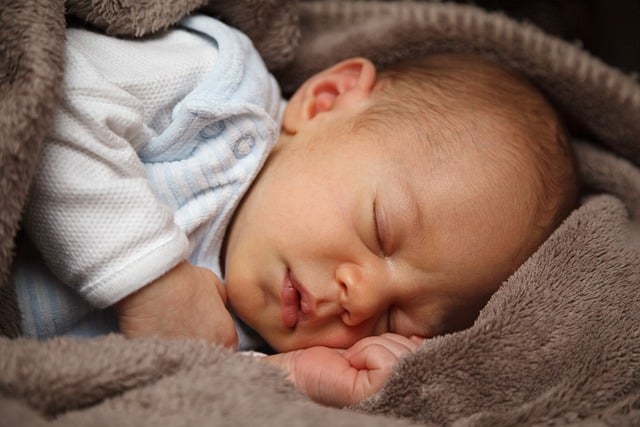
As I approached the final weeks of my first pregnancy (with twins), I found myself plagued by unsettling thoughts about what lay ahead. I imagined the scene a few months post-birth: me, cradling both babies, sweat dripping down my face, sobbing uncontrollably. “Get ready,” I warned my partner.
Preparing for potential depression felt strange, but I knew the statistics: between 30% and 50% of new mothers face varying degrees of postpartum depression, and that number spikes for those with multiples. I was already filling out forms at the doctor’s office: on a scale of 1-5, how often did I feel like harming myself today?
However, when the twins arrived and we fell into a routine, I surprisingly handled motherhood well. Sure, it was a big adjustment, and yes, there were tears, but overall, I felt more joyful, supported, and loved than I had ever been in my life.
Unlike the typical new mother, I had previously encountered postpartum depression four years earlier when I first connected with my five-year-old stepdaughter.
My stepdaughter and I share a strong bond and a genuine friendship. From the moment we met, she embraced me as a trusted adult. The transition was relatively smooth, but it was still a significant shift for me.
I had been dating my partner for six months before meeting his daughter. We wanted to ensure our relationship was serious before introducing her into the mix. In my innocence, I thought of her as an addition to our lives rather than the central focus. However, when we were all together, it became clear that I was the one who felt like an accessory. From day one, my responsibilities shifted, and my life’s direction became intertwined with a child who was not biologically mine.
About a month into my role as a stepparent, I found myself crying for reasons I couldn’t articulate. Breathing became a struggle, and nights were spent counting my breaths, questioning whether I was inhaling too deeply or too shallowly. I had no idea what was happening to me; I didn’t even know there was a term for my experience. I visited the doctor three times that fall, only to be sent home without answers.
When the twins were three months old, I attended a “New Moms Group” where mothers with babies under six months gathered to share experiences. I was the only one with twins and the only stepparent. When I mentioned my feelings of postpartum depression as a stepparent, the other women seemed intrigued but hesitant. “Postpartum depression is hormonal,” they asserted, ending the discussion.
However, depression isn’t solely rooted in biology. Fathers can experience postpartum depression, as can adoptive parents—and I did too as a stepparent.
Becoming a mother requires a physical and emotional reshaping of one’s identity, which can lead to anxiety and depression. Stepparents undergo this transformation too, yet often without a partner to lean on. Community support systems for stepparents are scarce, and they are rarely included in conversations with other mothers.
Some argue that stepparents have a choice—they can leave since the child isn’t their legal dependent. But that doesn’t negate the reality of the anxiety surrounding parenthood. How many relationships have ended because of undiagnosed postpartum depression in stepparents?
There has been a growing awareness about the postpartum period, and for that, I am thankful. Any effort to de-stigmatize mental health and promote self-care is beneficial for everyone. Celebrities like Mia and Jake have openly discussed their struggles with post-baby blues, offering valuable insights to all parents. Nevertheless, what often goes unmentioned is that effectively managing depression hinges on having support, and that’s an area where stepparents often fall short.
With my twins, I had a network of doctors, nurses, doulas, community resources, family, and friends. As a stepparent, that support was nonexistent. Even close friends who accepted my new partner would question my choices. “Is he really worth it?” they would ask. At times, I wondered myself.
Falling in love with someone who has a child from a previous relationship means stepping into a family that has experienced fractures, even if you weren’t the cause. Society allows mothers to express joy and sorrow, yet stepparents often face scrutiny regardless of their feelings. If you love your stepchildren, you’re crossing boundaries; if you feel frustrated, you’re seen as the villain.
Lisa Doodson, author of “How to be a Happy Stepmum,” noted in HuffPost that many stepmothers report significantly higher levels of anxiety and depression compared to biological mothers, coupled with a lack of support.
Stepparents often meet their “children” when their relationship with the biological parent is still new. While they may sense a long-term future, the path is uncertain. Is a woman a mother the moment she meets her partner’s child? Is it only after marriage? What happens if the relationship ends? These questions linger without clear answers.
My anxiety began to ease as I grew more assured in my role, nurtured my relationship with my stepdaughter, and made choices for my well-being. It took about a year, but eventually, I no longer felt like an accessory. While I still face challenges—sadness, resentment, jealousy, and anger—I also experience joy, contentment, and gratitude. Isn’t that true for every parent?
As author Wednesday Martin aptly put it in a podcast on stepparenting, “You want to fall somewhere between an aunt and an ally.” For me, that balance was achievable with a stepdaughter who welcomed me, but for many, it remains a struggle.
Now, my twins are three, and they adore their big sister, who loves them back. I’m at peace with my dual roles as both mother and stepparent. I’ve navigated the postpartum phase for all my children, including my stepchild. Our society needs to broaden its resources to address all forms of postpartum depression, ensuring that stepparents are included in the conversation.
For more insights on this topic, you might find our other blog post interesting here. Additionally, for those seeking expert advice on fertility and parenthood, this resource can provide valuable information. If you wish to learn more about the process of artificial insemination, this Wikipedia article is an excellent resource.
Search Queries:
- Do stepparents experience postpartum depression?
- How to support stepparents during the postpartum period?
- Signs of postpartum depression in stepparents
- Coping mechanisms for stepparents
- Resources for stepparents experiencing depression
In summary, the journey of stepparenting often includes a unique set of challenges that can lead to feelings of anxiety and depression. Support systems are crucial, yet they are often lacking for stepparents. Understanding and acknowledging the emotional complexities can pave the way for better resources and support networks, benefiting all parents, regardless of their biological connection to their children.
Keyphrase: Stepparents and postpartum depression
Tags: [“home insemination kit” “home insemination syringe” “self insemination”]