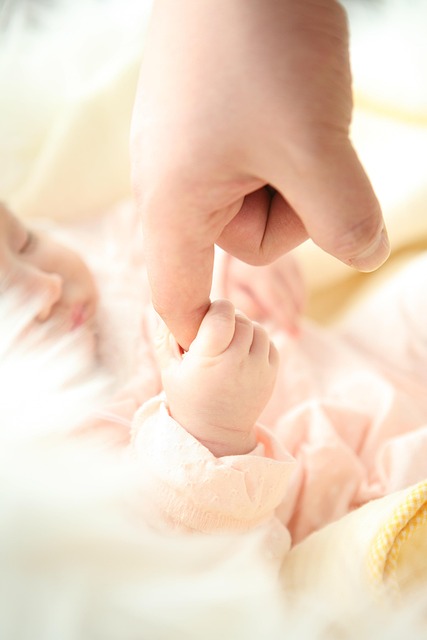
As you gaze into your precious newborn’s eyes, you might find yourself pondering what they see when they look at you. More specifically, are they perceiving a world in stark black and white? So, when do babies actually start seeing colors? You may be surprised to discover how quickly infants start to recognize the colorful world around them. According to experts, babies can differentiate between light and dark even while still in the womb. After birth, they begin to notice shapes by tracking the contrast between light and dark—pretty fascinating, right?
In the early days after birth, babies take some time to adjust to using their eyes effectively. It’s not instinctual for them to see with both eyes; they need some practice. You can help them along by providing plenty of visual stimulation, especially with primary colors. Bright toys, vibrant nursery wallpaper, or even the TV can capture their attention, aiding them in learning to see shapes and primary colors.
Initially, babies do see the world differently than adults. However, considering how new they are to life outside the womb, it’s impressive how they evolve from perceiving only fuzzy images to experiencing a vibrant kaleidoscope of colors. Want to know just how quickly this transformation occurs? Let’s explore some key milestones in infant vision development.
When Do Babies See Clearly?
Before diving into color perception, let’s talk about clarity. When can babies focus on their surroundings (like you, Mom)? Right after birth, babies are still honing their vision—after all, their eyes and visual systems are not fully mature yet. In those first few months, they primarily focus on objects 8 to 10 inches away from their faces. By three months, however, their eyes begin to work together, allowing them to focus on nearby shapes and even recognize familiar faces from a distance.
How Far Can Babies See at 3 Months?
At three months, babies can see beyond just light and dark, although their vision is still limited. They can focus on objects up to 8 to 12 inches away, which is why you want to lean in when interacting with them; any further and they can’t quite make it out.
When Can Babies Perceive Color?
The common belief that babies can’t see color is somewhat misleading. Experts suggest that newborns can indeed perceive different hues, though the extent is still uncertain. It is generally believed that by around two to three months, babies begin to identify various colors. Dr. Mia Thompson, an expert on child development, notes that while newborns’ visual acuity isn’t fully developed, they can still see and differentiate colors such as red, blue, green, and yellow.
Which Colors Do Babies Notice First?
While the exact order of color recognition isn’t definitively known, studies indicate that infants tend to show a preference for primary colors. Dr. Thompson elaborates, “Chromatic primary colors—red, green, yellow, and blue—are particularly captivating to infants.” Interestingly, softer pastel colors are harder for babies to see and enjoy.
When Is Color Vision Fully Developed?
Around five months of age, babies’ eye control and movements start to improve significantly. At this stage, they begin to develop a three-dimensional view of their environment, which enhances their color perception. By this time, their color vision is considered to be quite good.
How Can You Identify Color Blindness in a Baby?
Since infants’ vision is still developing, diagnosing vision issues is best left to pediatricians or ophthalmologists. You might not know if your baby is color blind until they can articulate what they see. However, you can look for certain signs that may indicate vision problems:
- Difficulty focusing past four months.
- Lack of the “red-eye” effect in photographs.
- Other unusual eye behaviors, like watering or bulging.
Remember, children develop at their own pace. If you have any concerns, it’s always wise to consult a healthcare professional.
How Can You Support Your Baby’s Visual Development?
There are many ways parents can facilitate their baby’s visual growth. For example, using a nightlight in the nursery, holding toys within the baby’s focus range (about eight to 12 inches), and encouraging floor exploration can make a significant difference.
Baby Vision Development by Age
Birth to 4 Months: Newborns primarily see in black, white, and gray, focusing on objects close to their faces (about a foot away). You’ll notice their eyes wandering, which is normal as they learn to coordinate their vision.
5 to 8 Months: During this period, babies begin to recognize colors beyond just black and white. They also develop some depth perception and hand-eye coordination as they start to crawl.
9 to 12 Months: By this age, a baby’s vision is nearly fully developed. They can see colors well, have depth perception, and can grasp and manipulate objects.
1 to 2 Years: At this stage, toddlers can point to visible objects, making it a great time to introduce coloring activities to enhance their hand-eye coordination and vision.
For additional insights on pregnancy and home insemination, check out this excellent resource on the topic.
Summary
Understanding when babies start to see colors helps parents appreciate their child’s developmental milestones. Infants progress from perceiving only light and dark to recognizing primary colors, with significant growth occurring in their first year. Engaging them with colorful toys and stimulating environments can support their visual development. If you notice any signs of potential vision problems, consult with a healthcare professional for guidance.
Search Queries:
- When do babies start seeing colors?
- How do I know if my baby is color blind?
- What colors do infants see first?
- How can I support my baby’s vision development?
- What are the stages of infant vision development?
Keyphrase: When do babies start seeing colors
Tags: [“home insemination kit”, “home insemination syringe”, “self insemination”]