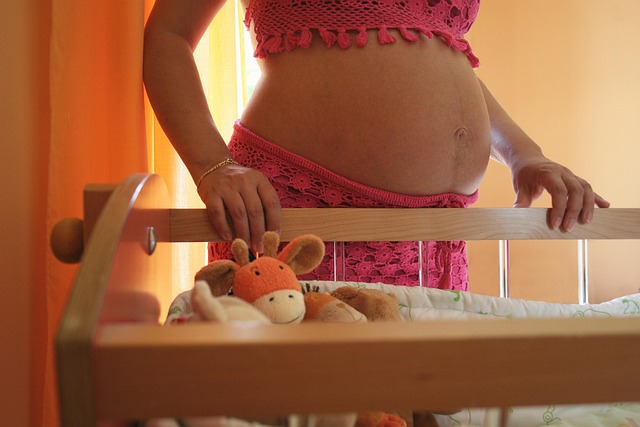
We understand the eagerness to find out if you’re expecting. If you’ve been trying to conceive, the cost of commercial pregnancy tests can add up quickly. This is likely why many women are exploring DIY pregnancy tests as a budget-friendly alternative that delivers results faster than a trip to the local pharmacy. But do these homemade methods hold any accuracy, or are they simply myths?
Popular DIY Pregnancy Tests to Consider
- The Sugar Test
This method involves putting a few spoonfuls of white sugar into a clean bowl and pouring a tablespoon of your first morning urine over it. The belief is that if the sugar clumps together, you might be pregnant; if it dissolves smoothly, then you’re not. (And be sure to dispose of the bowl afterward!) - Toothpaste Test
Toothpaste isn’t just for freshening breath; it’s also been suggested as a pregnancy test! Place a small dollop of toothpaste on a plate and add a few drops of urine. If the paste changes color or begins to froth, you could be pregnant. No change? Then you’re likely not expecting. - Baking Soda Test
For this test, collect your urine in a cup and stir in two tablespoons of baking soda. If it fizzes, it might indicate pregnancy. - Bleach Test
While bleach is not the safest option, it remains a popular DIY method. In one cup, collect your urine, and in another cup, pour a bit of bleach. Combine them and wait for a reaction. If it bubbles or foams, you might be pregnant.
Do These Methods Actually Work?
We consulted Dr. Sarah Ellis, a renowned OB-GYN, to get her take on these homemade tests. “These DIY methods have no scientific backing,” she stated. “Pregnancy tests work by detecting the hormone HCG, which is produced by the placenta. None of these household items can accurately interact with HCG.”
When it comes to reliability, Dr. Ellis recommends using commercially available pregnancy tests, which are designed to provide accurate results. For those eager to know early, she suggests the First Response Home Pregnancy Test, which can give a positive result as early as six days before your missed period.
Tips for Those Trying to Conceive
If you’re aiming to get pregnant, Dr. Ellis emphasizes the importance of maintaining a healthy lifestyle: avoid smoking, alcohol, and drugs, and take a prenatal vitamin that includes folic acid. These practices can reduce the risk of complications like neural tube defects. And if you get that positive result, don’t hesitate to contact your healthcare provider to schedule an appointment around six to eight weeks after your last menstrual period.
For more insights on pregnancy and home insemination, check out this informative resource on in vitro fertilisation or visit Make a Mom for expert advice.
Summary
While homemade pregnancy tests are popular among those looking for quick and inexpensive ways to determine pregnancy, their accuracy is not supported by scientific evidence. If you want reliable results, it’s best to stick with trusted commercial tests. Prioritizing health and seeking medical guidance early on can enhance your chances of a successful pregnancy.
Keyphrase: homemade pregnancy tests
Tags: [“home insemination kit”, “home insemination syringe”, “self insemination”]