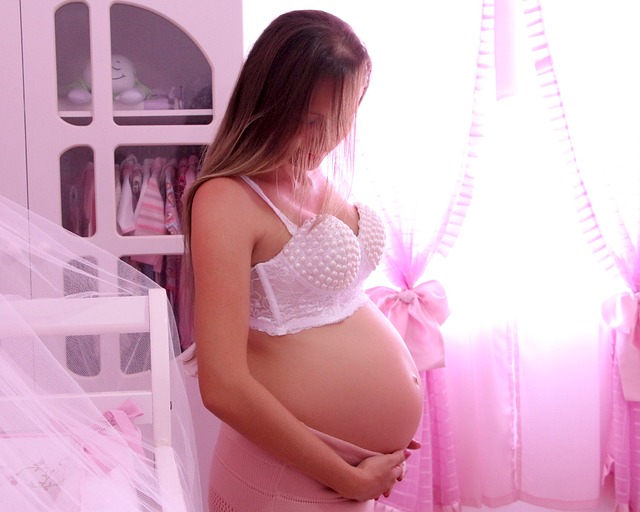
In the United States, over 700 women die annually due to pregnancy-related complications, with two-thirds of those fatalities being preventable. I became painfully aware of this statistic when I almost joined the ranks of those who faced such a fate.
Life can throw unexpected and terrifying challenges your way. The day I nearly bled to death is seared into my memory, and it took a long time for me to come to terms with it. In 2016, I was expecting my second child. Given my previous C-section, my doctor recommended another for this delivery, and we scheduled it for November 9, 2016. The morning of the procedure unfolded smoothly; we arrived at the hospital early, eager to meet our new baby.
At 7:04 a.m., the doctor announced, “It’s a girl!” We were ecstatic to welcome a little sister for our first daughter and named her Lily. Our baby girl was a healthy eight and a half pounds, and my recovery was set to begin.
Once settled in my private room, my primary recovery nurse came in to assess my pain level. I mentioned that the discomfort felt more intense than with my first C-section. After taking my blood pressure, she assured me that they’d bring Lily to me soon. As we waited, I chatted with my husband, but the pain began escalating. Despite his support, I felt increasingly uneasy.
When the nurse returned, I rated my pain at a solid 10, perhaps more. Even though I usually tolerate discomfort well, this was overwhelming. She indicated that every C-section varies and that it was normal for the pain to be more severe during a second surgery. After checking my uterus, she noted that it was contracting as expected and left, promising to return soon. Yet, deep down, I sensed that something was off.
When they finally brought Lily to me, it was a beautiful moment. She latched on effortlessly and began breastfeeding, which was a smooth experience compared to my first. Those twenty minutes of bonding, despite the pain, are moments I will cherish forever.
However, after Lily was taken back to the nursery, I hunched over in bed, and the cramping intensified dramatically. It felt as if my insides were tearing apart. Suddenly, my bed was drenched in blood. Panic surged through me as I became disoriented. My husband sprang into action, desperately seeking help. My primary nurse rushed in, a look of alarm on her face, which only heightened my fear. Soon, I was surrounded by nearly ten nurses. It felt surreal, like a scene from a medical drama.
Amid the chaos, a voice introduced herself, “Hi, I’m Sarah, the head nurse.” She grasped my hand and said, “I need to examine you, and this will hurt.” My husband held my hand tightly. As Sarah began her examination, I screamed in agony, the pain overwhelming. I could see her arm covered in blood as she pulled it back. “We need to push on your stomach to encourage your uterus to contract,” she instructed. The pain was unbearable, and panic set in when she realized I was hemorrhaging badly.
Minutes felt like an eternity as I fought against the fear and agony. A flood of thoughts raced through my mind: “I might die today. Is this really happening?” Memories of my family and friends flashed before me. The warmth of the room felt oppressive as the pain consumed me.
Finally, my doctor arrived, and relief washed over me. It was like spotting a longed-for gift on Christmas morning. He took my hand and reassured me, “Don’t worry; I’m here to help. We need to put you under anesthesia now.” I had no time to process everything, and after a quick farewell to my husband, I drifted into unconsciousness.
When I awakened, the pain was gone. My husband was there, relief evident in his voice as he asked how I felt. I had lost a significant amount of blood, and my recovery would be different than expected. I was informed that I would need a blood transfusion, which took about eight hours. I was connected to a machine, receiving blood from strangers who helped save my life. This experience shifted my perspective on blood donation profoundly.
This ordeal also transformed my relationship with my husband. In the wake of such a near loss, we learned to value our time together more deeply. He helped me with everything, even when it came to collecting blood clots for the doctor. Our wedding vows took on new significance during this challenging time.
Seeing my daughters after everything was a bittersweet moment, realizing how close I had come to losing my life with them. Over the following days, I was limited in my recovery and experienced a whirlwind of emotions—shock, relief, anger, and despair. Gradually, talking about it with friends and family became a form of therapy.
Experiencing such a close brush with death changed me in ways I could never have anticipated. I learned to pray, to find calm in stillness, and to appreciate the little things in life. I now focus on the positives, quickly redirecting my worries when they arise. The phrase “count your blessings” has taken on new meaning for me.
Later, I discovered that the nurse assigned to me had only recently graduated from nursing school and was inexperienced with uterine contractions. I owe my life to Sarah, who took control in my moment of crisis, as well as to my doctor for his reassurance and skill.
I opened this account by stating that life is often a series of uncontrollable circumstances. In life-and-death situations, you learn this lesson swiftly. My husband and I are still navigating these lessons together today.
Did you know that maternal mortality rates in the United States have been rising since 1990? This is my story, and I am grateful to be here to share it. Ladies, it’s vital to advocate for yourself—listen to your body and speak up when something feels wrong.
For more information on pregnancy and home insemination, I recommend checking out American Pregnancy.
If you’re interested in boosting your fertility, explore fertility supplements. Also, if you’re looking to consider insemination options, visit the at-home insemination kit for comprehensive resources.
Summary
Childbirth can come with unexpected and life-threatening complications. This personal account details a harrowing experience of hemorrhaging after a C-section and emphasizes the importance of advocating for oneself during medical care. The journey of recovery highlights the transformative power of such experiences on relationships and perspectives on life.
Keyphrase: childbirth complications
Tags: [“home insemination kit”, “home insemination syringe”, “self insemination”]