Growing up, fast food was a staple in my diet. I can vividly recall indulging in Happy Meals at least once a week during my childhood, even celebrating my fifth birthday at a McDonald’s. Food was more than nourishment; it was a reward. “Behave today, and you can have ice cream.” “It’s your special day—enjoy whatever you want!” “You’re on vacation—don’t stress about calories!” My mom’s infamous holiday sweater declaring, “Christmas calories don’t count!” was a constant reminder of this mentality. It was all about indulgence: “Eat up! It’s Christmas!” or “It’s Halloween—have all the candy you desire!”
Pizza Fridays were a tradition in our household, and ground beef was the foundation of many meals—think spaghetti with meat sauce, tacos, and meatloaf. Vegetables? They were merely an afterthought, often smothered in ranch dressing. Interestingly, my mother drew the line at sugary cereals and cookies, which made them all the more enticing when I visited friends’ homes. Food was synonymous with happiness and comfort.
I witnessed my father, who struggled with obesity, come home from work to pour himself a drink and devour hearty portions of meat and potatoes to cope with his stress. During a family gathering, I once asked him what traits I had inherited, and without a glance my dad replied, “My appetite.”
When I reached college, I was lost in the cafeteria, unsure of how to create a balanced meal. Many nights, I would opt for mashed potatoes, dinner rolls, and frozen yogurt. While I eventually learned to enjoy salads thanks to some friends, the proximity to late-night pizza and vending machines kept my weight fluctuating for years.
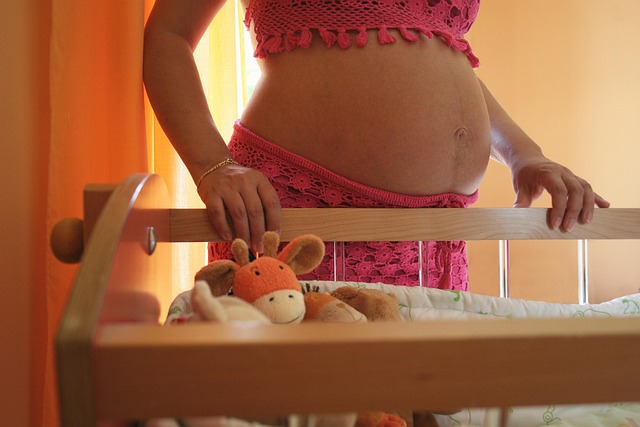
Now, as I embark on my own pregnancy journey, my relationship with food has shifted dramatically. I’ve always been conscious of my eating habits, especially growing up as a chubby child and later as an overweight adult. Not a day goes by that I don’t consider how food relates to my body. I can still hear my mother reminding me to “hold in that tummy” before snapping a photo.
It’s a strange feeling to embrace my growing belly, especially when I used to fret over how my body was perceived. The thought of my pregnant figure being the center of attention for the next several months is both thrilling and terrifying. Food, once my biggest ally and foe, is now a topic I have to reconcile with positivity.
I’ve learned that pregnant women should consume an additional 300 calories daily, but I struggle with what that means for me. Do I calculate this based on the days I restricted myself to 1,000 calories, or on the days when I overindulged on carbs and drinks? What if I occasionally purged those extra calories? My priority is the health of my baby, and I want to ensure I provide the best start possible. Yet, it’s challenging to navigate good nutrition while grappling with my own food issues.
As I tackle these thoughts, I realize that understanding my relationship with food is crucial. There are resources available to support me through this journey, such as this article on boosting fertility and helpful information on IUI success rates. I also recognize the value of tools like at-home intracervical insemination kits for those interested in starting their own families.
In summary, navigating pregnancy with an unhealthy relationship with food can be challenging, but it is possible to transform our perspectives and make healthier choices for the sake of our children.
Keyphrase: unhealthy relationship with food and pregnancy
Tags: “home insemination kit”, “home insemination syringe”, “self insemination”