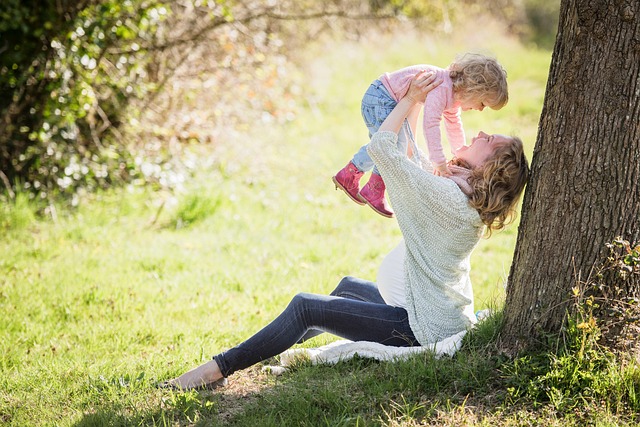
Every time we gather with family and a camera is pointed at my child, I brace myself for the inevitable comments. I often find myself torn between whether to address it or let it slide—most times, I react on impulse. Someone lunges for my child’s pacifier and yanks it away as if it’s something harmful, all in the name of getting that perfect shot.
“You really don’t need that anymore!”
“You’re way too old for a pacifier!”
“Hand it over!”
No matter how they phrase it, the underlying message is clear: “Why does your mother still allow you to use a pacifier? You’re not a baby!” But when is the right age for a child to stop needing a pacifier? Should we snatch these comforting tools away just before they start walking? Or is it acceptable to keep it as long as they’re breastfeeding? If so, there are quite a few preschoolers who might still be eligible for their pacifier privileges.
As a child, I had my own comfort mechanisms—twirling my hair when I was anxious. I wasn’t one to cause trouble or throw tantrums; I simply kept to myself, yet adults often chastised me for it. Their irritation with my hair twirling wasn’t my issue, but I eventually conformed and learned to speak up. My little boy, however, lacks the ability to advocate for himself in these moments. I see his anxious eyes searching for security after someone has taken away his comfort during family gatherings or at the barbershop. I often find myself caught between the urge to defend him and the fear of judgment.
What bothers me isn’t just the unsolicited opinions on my parenting choices; it’s the ease with which someone can take away something that brings my child comfort. I don’t go to relatives’ homes and start pouring out their drinks or snatching their desserts. Everyone has their vices, and it’s not my place to dictate how others manage their lives.
People often bombard me with anecdotes about children who faced speech issues or dental problems due to pacifier use. Yet, I don’t mention how my grandmother struggled with lung cancer every time someone lights up a cigarette, nor do I scold those indulging in a second slice of cake. I don’t criticize others for their choices, so why should they judge me for mine? I respect their decisions, as they are personal and not my concern.
If my child keeps his pacifier for another year, he may need a few extra dental appointments, but that’s a small price to pay compared to the emotional turmoil he might face without it. Kids don’t have the words to express discomfort or fear, so I trust that sucking on that pacifier is a way for him to soothe himself. I engage with him, listen to him, and pay attention to his non-verbal cues. The opinions of others often ignore my child’s needs, and for me, his emotional well-being outweighs any potential dental concern.
For those who think I should simply take it away and let him cry it out for the sake of dental health, perhaps they should reflect on their own dependencies. Everyone has their vices—be it fast food, caffeine, or other comforts that might not be the healthiest. Even if I might cause my son’s teeth some trouble, they’re fixable. You can’t just replace vital organs when adults lean on harmful habits for comfort.
That’s my perspective, and I’m not out to change anyone’s mind or justify my choices. All I request is a little less hypocrisy and a bit of respect for my parenting decisions. My child’s needs are my priority, and it’s no one else’s business to intervene.