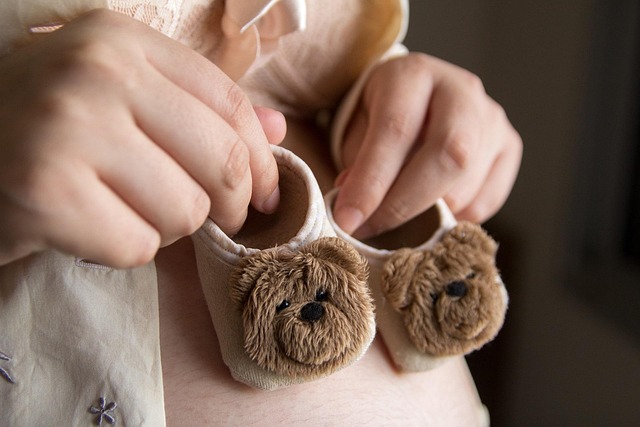
As my first pregnancy progressed into its seventh month, I found myself donning a DIY Post-it note on my belly, which read: “Due April 30. No, I don’t know the gender. Yes, I feel fantastic. No, I don’t look pregnant from behind—my uterus isn’t in my backside (at least, according to my OB last check).”
I was baffled by how many “experts” suddenly emerged to dispense their unsolicited opinions and advice. Each one had a different prediction, ranging from “It’s definitely a girl, and you’ll go early” to “A boy for sure, and you’ll need a C-section.” With all these so-called experts around, one might wonder why we still rely on obstetricians and ultrasounds! For the record, I had a son, and he arrived naturally, eight days ahead of schedule.
Fast forward to my second pregnancy, and I felt the need to add another line to my Post-it: “Please refrain from sharing your labor horror stories.” This time around, as my pregnancy became more obvious, I was inundated with alarming tales.
Women recounted how they barely made it to the hospital for the delivery of their second baby, while men shared stories of delivering their wives’ babies at home or, even worse, in a car en route to the hospital. I heard about grueling 72-hour labor experiences that culminated in emergency C-sections and others so rapid that there was no time for an epidural. The horror stories of blood pressure spikes and preeclampsia were hard to fathom—one woman described a blood pressure reading of 600 over 80 (is that even a thing?). The episiotomy anecdotes sounded like they were ripped from a horror flick, with one woman recounting 867 stitches extending all the way to her eyebrows!
Really? Your doctor was on an African safari when your water broke? I’ll be sure to ask my OB to stay stateside for the next 40 weeks. And your water broke on a Ferris wheel? Noted. I’ll steer clear of amusement parks after 38 weeks.
While I may not be driving a minivan full of children, this isn’t my first experience either. Yet, I find myself oscillating between the fear of giving birth two months early on a public train and the dread of going overdue, leading to an induction of a toddler-sized baby. All these horror stories are amplifying my anxieties about labor and delivery. I now know that it’s possible to miss the obvious signs of labor and end up giving birth in a grocery store.
As a fellow woman, I understand the urge to share experiences. I even feel compelled to warn expectant mothers that they might not recognize when their water breaks—especially if it’s their second child and they have a tendency to leak when sneezing. Our instinct to share stems from a blend of wanting to help and the satisfaction of recounting our own trials during childbirth.
However, these labor horror tales, disguised as advice, do not serve any purpose for pregnant women. In fact, they might even discourage someone from considering motherhood after hearing how terrifying labor can be. It’s important to remember that no two pregnancies are alike; why should one woman’s labor experience dictate another’s?
Why should I prepare for a 12-pound baby like yours, given my 5-foot-4-inch frame? Please, spare me the details of your 46-hour natural labor involving a birthing ball that popped mid-contraction.
Believe it or not, the number of people in this world is directly correlated with the countless labor experiences women have gone through. While sharing stories can create a bond, we should save the horror stories for when we can laugh about them over a glass of wine, long after the epidural has worn off and we’re no longer worried about stitches or incontinence.
For more insights on pregnancy and home insemination, check out this resource on IVF. If you’re considering at-home options, visit Home Insemination Kit for helpful information, and discover more at BabyMaker Kit.
Summary:
Labor horror stories, while shared with good intentions, can exacerbate anxiety in expectant mothers. Each pregnancy is unique, and these tales may unintentionally discourage women from viewing childbirth as a hopeful experience. Instead of focusing on the negative, it’s better to save these stories for a time when they can be shared without fear or stress.
Keyphrase: labor horror stories
Tags: [“home insemination kit” “home insemination syringe” “self insemination”]