Abstract
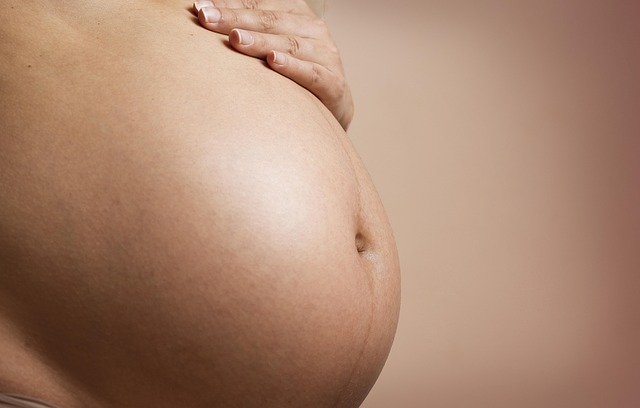
This article explores the complexities and societal expectations surrounding carbohydrate consumption during pregnancy, highlighting personal experiences and genetic predispositions.
Body
“Are you consuming a lot of carbohydrates?” This well-intentioned inquiry arose from my obstetrician during my 32-week check-up about a week and a half ago, as she estimated I was carrying a baby already weighing 4 pounds and 13 ounces. She’s a kind professional, and I appreciate her candor, but it’s clear she’s not shy about expressing her thoughts. After years of experience with expectant mothers, she seems fearless in the face of potential backlash from a pregnant woman who might feel sensitive about weight.
In that moment, I felt like a child being scolded for sneaking cookies from the jar. I awkwardly attempted to justify my choices, mentioning how my relatively petite mother managed to carry four children, each exceeding nine pounds. “It’s in our genes,” I tried to explain. My husband chuckled in the background, and her stoic expression led me to abandon my defense.
Okay, let’s be real: I’m embracing carbohydrates right now. Here’s why. While I dream of meals filled with quinoa, kale, and ethically sourced chicken, the reality of caring for my 21-month-old means that meal prep often takes a back seat.
Surprisingly, I’ve discovered that nausea can persist into the third trimester—particularly in the morning. “Why don’t you try an egg-white omelette?” she suggested. Oh, absolutely! If only I had the time to separate eggs, chop vegetables, and perfectly cook them while juggling a toddler’s demands.
Most days, I forget to eat lunch altogether. When my little one finally naps, the hunger pangs hit hard, and I find myself relying on delivery services for a quick fix. If I’m fortunate, I procrastinate dinner just enough for my husband to offer to handle the cooking—something I’m sure my doctor would approve of.
Now, let’s discuss that uncomfortable bloated feeling that comes after overeating carbs. Since my belly began to grow at 20 weeks, I haven’t experienced that sensation. With every top I wear fitting smoothly over my round shape, I’m going to relish this moment of freedom from post-carb guilt while it lasts. The reality is, once the baby is born, I know my body will change again, so can’t I just enjoy this feeling a bit longer?
Interestingly, during my first pregnancy, I indulged in whatever I wanted, gaining weight without concern. In the end, I gave birth to a beautiful, healthy child—who, to my knowledge, has no deficiencies in omega-3s or other nutrients. Plus, nursing helped me shed those extra pounds with little effort.
So, when my doctor gives me that familiar knowing look and warns me that “it might be different this time,” I’m not particularly interested in her realistic perspective. I’d prefer to navigate this journey in my own way, knowing that I only have five weeks left. How much bigger can this baby really get?
According to my mother, women in our family typically gain significant weight during pregnancy and lose it quickly afterward. It’s just how we’re wired. We are designed to create large babies and then nurse those babies to negate any weight gain.
Whether it’s the rapid weight gain or the inclination to savor every treat, it seems to be genetic. You can’t dispute science, and as a medical professional, my doctor should understand that.
Now, if you’ll excuse me, I need to head to my yoga class—or rather, the grocery store for some frozen yogurt, as we’ve just run out. See you next week, Doc!
Summary
Navigating pregnancy brings its own set of challenges, especially when it comes to dietary choices. While societal expectations often pressure expectant mothers to adhere to strict nutritional guidelines, personal experiences and genetics play significant roles in shaping these choices. The article emphasizes the importance of enjoying the pregnancy journey, including indulging in cravings, while acknowledging the support of family traditions and the realities of motherhood. For those exploring pregnancy and home insemination options, resources like Resolve can provide valuable information, and for further insights, check out BabyMaker.
Keyphrase: pregnancy and dietary choices
Tags: [“home insemination kit” “home insemination syringe” “self insemination”]