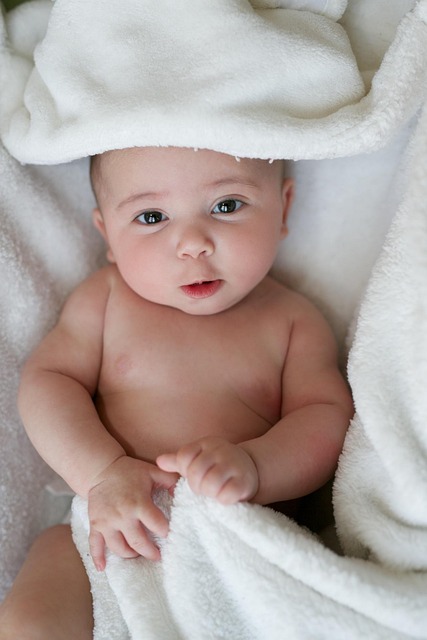
It has been a year since my life changed irrevocably. As I cradle my lively, drooling one-year-old in my arms, I find myself smiling down at him with a mix of admiration and nostalgia. My gaze travels from his bright brown eyes to his chubby, uneven cheeks, finally resting on the pink scar peeking out from under his Paw Patrol shirt.
As I observe that zipper-like scar, I feel a familiar knot in my stomach, bringing back vivid memories of the hospital. The sound of the elevator dinging, the ominous code blue alerts echoing through the intercom, and the incessant beeping of life-support machines flood my thoughts. Each sound intertwines with the scent of hand sanitizer and the image of my cracked, dry cuticles—reminders of that harrowing time. The weight of those memories sinks deep within me, like an anchor that refuses to hold.
Much of this past year has been spent enveloped in the sterile walls of hospital rooms, grappling with the uncertainty of whether my son would have a future. When he lay in that hospital bed, it was hard to see past the maze of wires and tubes. Beneath them was my baby—a swollen, jaundiced infant recovering from open-heart surgery. Sedated yet fighting, he seemed to hover between life and death. In those dark months, convincing me to find any silver lining in the cuts, chest tubes, and central lines that marked his journey was impossible.
Before my son’s birth, I had meticulously chosen a few tiny outfits and stuffed them into a black and blue chevron diaper bag, eagerly preparing for my healthy baby boy. However, after hours of labor that ended in a blur of an emergency C-section, reality hit with brutal force. Hours after his arrival, as the sedation wore off, I sensed the gravity of the situation. My questions to the nurse were met with avoidance, signaling something was amiss.
My worst fears were confirmed when a gentle, somber woman entered my room with teary eyes and a stack of paperwork. She informed me that my son had only half a heart and that his survival depended on a hospital two hours away. I felt as though I was being thrust into uncharted waters, where dreams of a healthy baby were replaced with pamphlets filled with daunting statistics and medical jargon. The helicopter ride was filled with tears, and I waited anxiously.
I began receiving calls from doctors who discussed survival rates, medications, and various procedures, but my mind was too clouded to absorb the information. The harsh reality that I would not be taking home a healthy baby consumed me. Accepting that my child had congenital heart disease, dancing closer to the brink of death rather than life, shattered my expectations. I was overwhelmed with horror, heartbreak, and anger. I felt that neither my child nor I deserved this cruel fate, marking the beginning of months filled with resentment.
During this time, I was forced to walk the cold, sterile hospital corridors, often encountering mothers with their healthy newborns. While pain from surgery could be alleviated with medication, the ache of my empty arms was a constant reminder of my loss. Just days prior, I had envisioned myself as one of those mothers, but now, my reality was drastically different. My son’s tiny outfits remained untouched in my hospital bag.
When my son underwent his first of many critical surgeries, his chest was opened in order to access his heart, which was smaller than a walnut. The resulting scar became a permanent physical reminder of his differences, symbolizing the challenges that lay ahead. Although I didn’t mind its appearance, it triggered a wave of uncomfortable feelings within me. Gradually, resentment washed over me, leading me to disconnect from social media and the “normal” parents who seemed oblivious to real struggle.
As my healthy peers celebrated milestones—like their children sitting up—my son was weaning off a ventilator. It became essential to shift my focus from what we lacked to what we were overcoming. Witnessing my child’s fight for survival softened the hardness in my heart. With time, I began to embrace this new reality, and I found beauty in his struggle.
Standing by his bedside, I realized that these scars were not mine to resent. My role was to love him—every part of him. I could no longer dwell on the child I had expected, especially as I watched him defy the odds. These scars did not signify a lack of health; they represented the privilege of having my child with me. I had been granted grace and the opportunity to love him fiercely, despite the challenges he faced. Who was I to waste time feeling bitter when my most important task was to nurture him?
Learning to view my son’s scars as beautiful required witnessing his relentless fight for life. Charlie would not be Charlie without that striking scar on his chest, just as he wouldn’t be himself without his thick eyebrows or adorable dimples. As I wipe away tears and run my fingers through his soft hair, he stirs and offers me a big, toothy grin. Overwhelmed with gratitude, I place my hand gently on his scar, feeling the rhythm of his stitched-up heart beneath.
In conclusion, my journey has transformed my understanding of love and acceptance. Scars that once filled me with resentment now symbolize resilience, hope, and the unbreakable bond between a mother and her child.
For those considering starting a family, exploring options like home insemination kits can provide an alternative path. You might also find helpful insights on intrauterine insemination, which can further inform your journey. Additionally, resources such as the impregnator at-home insemination kit can be invaluable.
Keyphrase: My Son’s Scars
Tags: [“home insemination kit” “home insemination syringe” “self insemination”]