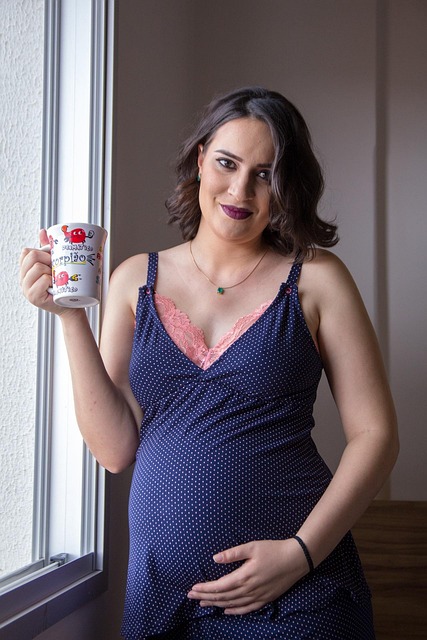
In a society where traditional norms often dictate parenting practices, a 29-year-old mother from Dallas, Texas, is challenging the stigma surrounding wet nursing. Meet Sarah Mitchell, who has breastfed 16 children—only three of whom are her own—aiming to normalize this ancient practice.
Sarah began her journey into wet nursing shortly after the birth of her first child, expressing her belief that it represents one mother supporting another, as well as nurturing the child involved. In a conversation with a local publication, she stated, “Wet nursing is often seen as a taboo, but it’s fundamentally about maternal solidarity. Providing nourishment to other babies has transformed my life.”
Her initial experience involved feeding a friend’s nine-month-old while caring for her own four-month-old daughter, Emma. “I had an abundant milk supply and thought, why not help out?” Sarah recalled. This experience not only helped her friend but also gave her a boost in her own milk production.
Having been nurtured by a wet nurse during her infancy, Sarah views the practice as entirely natural and devoid of stigma. “For me, wet nursing was never taboo; it was always about sharing the incredible gift of breastfeeding.” After sharing her story online, she discovered a community of mothers eager to explore the concept. The 16 children she has breastfed include her niece, friends’ kids, and acquaintances of friends.
Her motivation stems from a desire to ensure that no woman feels pressured to wean her child prematurely. “Wet nursing feels like a natural choice and is crucial for the child’s well-being,” she explained. “While expressing milk into a bottle is an option, having a breast ready to feed is far more efficient.”
Historically, wet nursing has been practiced by royals and commoners alike, and Sarah believes it’s time to bring this tradition back into discussions. By sharing her experiences on social media, she hopes to inspire other mothers and promote the benefits of mutual breastfeeding.
However, it’s essential to recognize that while the practice may be natural, it remains relatively uncommon in modern society. With advancements such as formula and breast milk banks—where screened milk can be safely donated—many parents have alternatives to consider. Formula provides a reliable option for those unable to produce milk, and breast milk banks offer a secure means of nourishment for infants.
It’s commendable that Sarah is willing to dedicate her time and resources to assist other families. Many parents struggle to find the energy to breastfeed their own children, let alone others’. The discomfort surrounding this subject largely stems from societal perceptions.
As we embrace various parenting practices, who knows? Perhaps wet nursing will become more accepted in the future, just as other unconventional practices have gained popularity, like consuming placentas in smoothies.
In summary, Sarah Mitchell is on a mission to redefine the narrative surrounding wet nursing, advocating for a return to a practice that emphasizes community support among mothers. Her efforts highlight the importance of collaboration in nurturing children, while acknowledging the contemporary alternatives that exist. For those interested in home insemination, consider exploring resources like Hopkins Medicine. And if you’re looking for more information on home insemination kits, check out BabyMaker At Home Insemination Kit and At Home Insemination Kit 18pc.
Keyphrase: Wet nursing advocacy
Tags: [“home insemination kit”, “home insemination syringe”, “self insemination”]