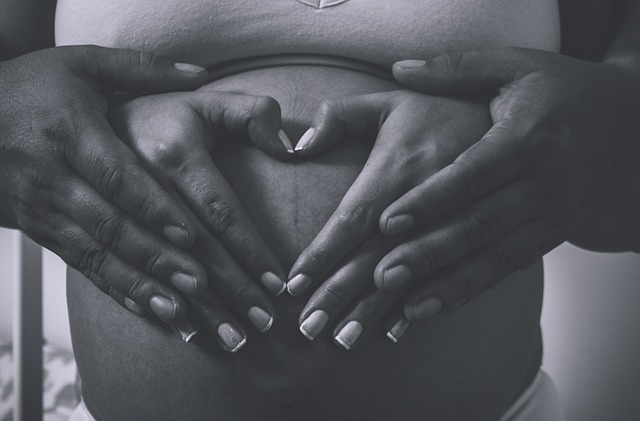
Pregnancy has never been a walk in the park for me. The morning sickness feels like a relentless onslaught, and as my baby grows, I often find my internal organs squished and uncomfortable. By the time I reach my third trimester, the aches and pre-labor contractions become nearly unbearable, and let’s not even get started on the c-section delivery, which feels like something out of a Criminal Minds episode. So, when I say I eagerly await the moment my baby enters the world, I mean it wholeheartedly.
Whenever I’m admitted to the hospital and asked about postpartum depression, my answer is always a definitive no. It’s not depression; it’s an exhilarating relief. I’m overjoyed that I’ve survived the ordeal of pregnancy, relieved that both my baby and I made it through surgery, and excited to finally meet the little one I’ve carried for nine long months.
However, it’s not just elation; there’s also an unsettling feeling that lingers in the background. I wouldn’t label it sadness, but rather a mix of fear, regret, and nostalgia. I trace this back to my anxiety, which was officially diagnosed four years ago after a traumatic birth experience with my son. Through therapy and self-reflection, I’ve come to realize that this anxiety has been part of my life for much longer than I initially thought.
This complex feeling often manifests as vivid, extreme fantasies. Typically, they revolve around something bad happening to my baby or my family. I find myself obsessing over the sudden transition from being pregnant to not, and I can’t help but reminisce about aspects of pregnancy that I thought I would miss. To clarify, these thoughts do not involve harming my baby or regretting their existence. Instead, they conjure up plausible yet entirely unexpected scenarios of misfortune, leaving me longing for the days when I could feel my baby kicking inside me or fantasizing about their first cries, despite the physical and emotional toll that pregnancy always takes on me.
This postpartum beast tends to strike when I’m feeling particularly vulnerable or isolated—at bedtime, after visitors have left, or when my husband returns to work, leaving me to care for the baby solo during my maternity leave. During these quiet moments, when my baby naps and I find myself alone with my swirling hormone-fueled thoughts, the monster thrives.
It plants horrifying visions of me accidentally dropping my baby while attempting to change or feed him. Nightmares creep in about my baby choking on spit-up during the night as I unknowingly sleep beside him. I second-guess every little twitch or noise my baby makes, convinced he’s suffering from the same brain injury-related seizures his brother experienced at birth due to a stroke in utero. This beast tortures me with fears of illness and calamity striking those I cherish most.
Moreover, it reminds me that I will never again experience the miracle of carrying a child. I solidified this fate for myself by choosing to undergo a tubal ligation during my last c-section, despite my doctor affirming it was the right decision given the severe scar tissue complications. I will no longer feel those tiny baby kicks or hiccups. I miss the moments I would speak to my blossoming belly, knowing someone was listening. I reminisce about the joy of hearing my baby’s first cries and regret that I won’t experience that raw, overwhelming emotion again. It makes me question the discomfort I endured during pregnancy, wondering if it was all just a figment of my imagination.
This postpartum beast occupies a space between joy and sorrow, cohabiting with fear and nostalgia. It lingers for weeks, playing with my emotions and taking up residence in my mind. While it may eventually be evicted, its impact will linger forever. Though its presence is fleeting and unable to completely consume me, it remains a very real part of my experience. And that is what makes this postpartum beast one of the most formidable monsters of all.
If you’re navigating similar feelings or looking for resources on pregnancy, consider checking out this article on home insemination kits that can help guide you through the process. It’s also worthwhile to look into fertility treatments like IVF, which can be an excellent resource for many expecting parents.
In summary, the postpartum experience can be a rollercoaster of emotions, oscillating between joy and anxiety, leaving new parents feeling vulnerable. Embracing these feelings and seeking support can help manage the complexities of this journey.
Keyphrase: postpartum anxiety
Tags: [“home insemination kit” “home insemination syringe” “self insemination”]