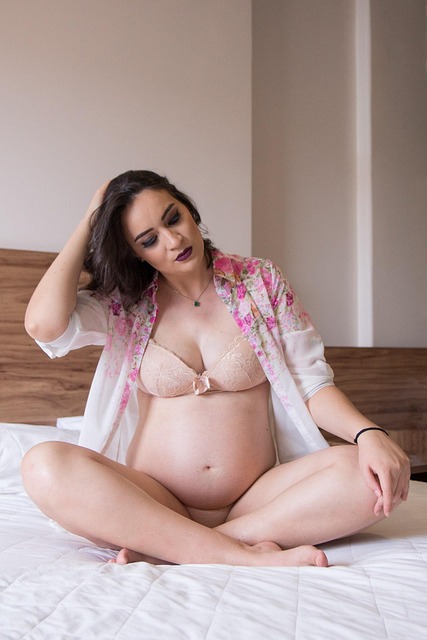
In a recent incident, Facebook removed yet another birth-related photograph, citing violations of nudity standards. This continuous censorship has led the photographer, Emily Rivers, to express her frustration. There is nothing inherently sexual or inappropriate about birth images; those who follow a birth photographer’s page are likely expecting to see such content.
Rivers has faced this issue multiple times—this marks the sixth occasion her work has been flagged by Facebook. On this latest instance, she received a warning that her business page, “Blossom Birth Photography,” could be unpublished. Additionally, a 30-day restriction was imposed, preventing her from engaging with her audience. “This is incredibly disheartening from a business perspective. I have received numerous strikes against my account for images that clearly align with Facebook’s guidelines,” Rivers explained. “As the bans grow longer with each incident, I find myself hesitant to share content that could potentially lead to further penalties.”
When Facebook removes birth images that comply with its nudity policies, it effectively sends the message that birth is something shameful and not to be celebrated. This not only discourages individuals from sharing their experiences but also robs others of the opportunity to witness these significant moments.
The image that sparked this controversy can be viewed on Rivers’ blog, “Blossom Birth Photography,” where she showcases her entire portfolio. Followers of a birth photographer are presumably interested in such visuals; expectant mothers, in particular, seek reassurance and preparation for their upcoming experiences. “Witnessing someone giving birth in different positions can illuminate the options available during labor,” Rivers emphasized. “Often, people are unaware of the choices they can make throughout their birthing process. Real-life imagery is a vital educational tool.”
The moderation system on Facebook relies on user flags, which means that someone found the birth image offensive. However, followers of a birth photographer should not have the ability to report birth-related content. This censorship can make families feel as though they have committed a wrongdoing by sharing their stories.
The mother featured in the controversial image, who has chosen to remain anonymous, shared her experience: “Throughout my pregnancy, particularly in the final weeks, I immersed myself in birth photos, videos, and narratives. These resources elicited a whirlwind of emotions: fear, anticipation, and excitement. When I doubted my ability to give birth, those images helped me regain my confidence.”
She further expressed, “We shared our photos and story with the hope of inspiring at least one person. Unfortunately, when our image was censored, it felt like a message that we had done something wrong.”
Rivers advocates for Facebook to revise its policies surrounding nudity, suggesting they establish clear guidelines regarding birth images and educate their staff on human anatomy to prevent misunderstandings regarding what constitutes a birth image. “People visit my page seeking to familiarize themselves with the birthing process, as there are few places where they can connect with the realities of childbirth,” Rivers stated. “Seeing authentic depictions of birth helps individuals understand what to expect and consider their options.”
Birth can be daunting for many, and numerous women find solace in preparing through various means, including viewing such images. These photographs are not only empowering but also celebrate the incredible capabilities of the female body. “We create life, and that should never be a source of shame,” Rivers asserted.
In closing, the mother in the image remarked, “I never anticipated this photo would incite such a reaction, but I’m grateful for the awareness it’s raising about the censorship and stigma surrounding women and childbirth. Navigating this experience as a new parent has been challenging, and perhaps if there were greater acceptance of birth, it wouldn’t be so difficult.”
For those interested in exploring the journey of home insemination, visit Make a Mom for more insights. And for a trusted resource on pregnancy and artificial insemination, check out Healthline.
Summary
The ongoing censorship of birth images on Facebook has sparked frustration among photographers and families, highlighting the need for greater acceptance and understanding of childbirth. The removal of such images sends a negative message about the natural process of giving birth. Advocates call for Facebook to revise its nudity policies and educate staff, emphasizing that real-life depictions of birth are essential for societal understanding.
Keyphrase: “censorship of birth images”
Tags: [“home insemination kit”, “home insemination syringe”, “self insemination”]