Traditional Chinese Medicine (TCM) has been used for thousands of years to treat various health conditions, including female hormone imbalances. In recent years, there has been a growing interest in using TCM to regulate and balance female hormones, as it offers a holistic approach that focuses on the root cause of the imbalance instead of just treating the symptoms. In this blog post, we will explore the connection between TCM and female hormones, and how this ancient practice can help women achieve hormonal balance and overall well-being.
The Basics of TCM
Before diving into the connection between TCM and female hormones, it is essential to understand the basics of TCM. TCM is a comprehensive medical system that originated in China over 2,500 years ago. It is based on the concept of Qi (pronounced “chee”), which is the vital energy that flows through the body and maintains health and balance. According to TCM, when Qi is disrupted or blocked, it can lead to various physical and emotional health issues.
In TCM, the body is seen as a whole, and all the organs, tissues, and systems are interconnected. This means that imbalances in one part of the body can affect the other parts. TCM practitioners use various modalities such as acupuncture, herbal medicine, massage, and dietary therapy to restore balance and promote overall health.
The Connection Between TCM and Female Hormones
In TCM, the menstrual cycle is seen as a vital indicator of a woman’s health. A regular and pain-free cycle is a sign of good health, while irregular or painful periods can indicate an imbalance in the body. TCM believes that female hormones, such as estrogen and progesterone, are affected by the flow of Qi in the body. When Qi is disrupted, it can lead to imbalances in these hormones, resulting in various menstrual and hormonal disorders.
TCM and Menstrual Disorders
One of the most common reasons women seek TCM for hormonal balance is menstrual disorders. Irregular periods, heavy bleeding, painful cramps, and premenstrual syndrome (PMS) are all signs of hormonal imbalances that can be addressed with TCM. According to TCM, these imbalances can be caused by various factors such as stress, poor diet, lack of exercise, and emotional issues.
TCM practitioners use a combination of acupuncture, herbal medicine, and dietary therapy to regulate the flow of Qi in the body and restore hormonal balance. Acupuncture, in particular, has been shown to be effective in treating menstrual disorders by stimulating specific points on the body to promote the flow of Qi. Herbal medicine is also commonly used to nourish and tonify the organs responsible for hormone production, such as the liver and kidneys. Additionally, dietary therapy focuses on incorporating foods that nourish and support the reproductive system, such as leafy greens, root vegetables, and healthy fats.
TCM and Menopause
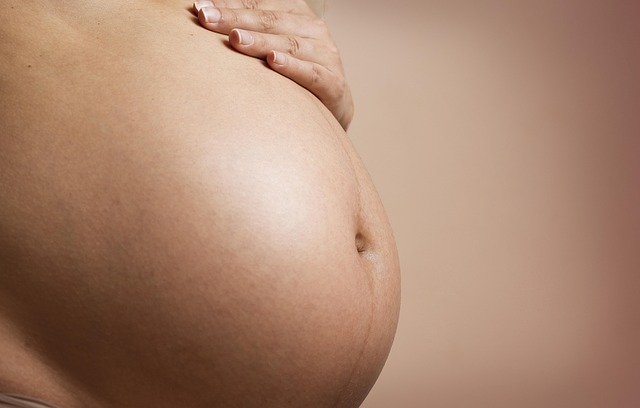
The Connection Between Traditional Chinese Medicine and Female Hormones
Menopause is a natural stage in a woman’s life when her menstrual cycle stops, and her reproductive hormones decline. While this transition is a normal part of aging, it can bring about several uncomfortable symptoms such as hot flashes, night sweats, mood swings, and vaginal dryness. TCM can offer relief for these symptoms by addressing the underlying imbalances in the body.
According to TCM, menopause is seen as a deficiency of Yin energy, which is responsible for cooling and nourishing the body. Acupuncture and herbal medicine are used to tonify Yin and regulate the flow of Qi, helping to alleviate menopausal symptoms. TCM also focuses on strengthening the kidneys, which are responsible for producing reproductive hormones, to support the body during this transition.
TCM and Fertility
Infertility is a growing concern for many women, and TCM offers a natural and holistic approach to help women conceive. In TCM, fertility is seen as a reflection of the overall health of a woman’s reproductive system. By addressing imbalances in the body, TCM can improve the chances of conception by promoting a healthy menstrual cycle and strengthening the reproductive organs.
Acupuncture has been shown to be effective in improving fertility by increasing blood flow to the reproductive organs and regulating hormone levels. Herbal medicine is also commonly used to nourish and support the reproductive system, and dietary therapy focuses on incorporating fertility-boosting foods, such as whole grains, leafy greens, and healthy fats.
The Role of TCM in Overall Well-being
TCM’s approach to female hormones goes beyond just addressing the symptoms of hormonal imbalances. This ancient practice also focuses on promoting overall well-being by addressing the root cause of the imbalance. By restoring balance and harmony in the body, TCM can help women achieve better physical, emotional, and mental health.
In addition to the modalities mentioned above, TCM also emphasizes the importance of mind-body practices such as meditation, tai chi, and qigong to reduce stress and promote relaxation. These practices can have a positive impact on hormonal balance and overall well-being.
In Conclusion
Traditional Chinese Medicine offers a holistic and natural approach to regulate and balance female hormones. By addressing imbalances in the body and promoting overall well-being, TCM can help women achieve hormonal balance and improve their quality of life. Whether it is menstrual disorders, menopause, or fertility concerns, TCM can offer a safe and effective alternative to conventional treatments.
In summary, Traditional Chinese Medicine has a deep understanding of the connection between female hormones and overall health. By focusing on the root cause of hormonal imbalances and using a combination of modalities to restore balance in the body, TCM offers a natural and holistic approach to promoting women’s well-being.