Navigating Endometriosis and Parenthood: The Benefits of Preconception Care
Endometriosis is a chronic and debilitating condition in which tissue similar to the lining of the uterus grows outside of the uterus, causing severe pain and other symptoms. It affects an estimated 1 in 10 women of reproductive age, making it one of the most common gynecological disorders. For women with endometriosis who are considering parenthood, the journey to conception and pregnancy can be even more challenging. However, with the right approach and support, navigating endometriosis and parenthood can be made easier. Preconception care, in particular, can offer numerous benefits for women with endometriosis who are planning to start a family.
Preconception care is a proactive and comprehensive approach to preparing for pregnancy. It involves addressing any existing health conditions and optimizing overall health and well-being before conception. For women with endometriosis, this can be especially helpful in managing symptoms and improving fertility. Here are some of the benefits of preconception care for women with endometriosis:
1. Improve Fertility: Endometriosis can have a significant impact on a woman’s fertility, with studies showing that up to 50% of women with the condition may struggle with infertility. Preconception care can help to identify and address any underlying factors that may be affecting fertility, such as hormonal imbalances or structural issues. By optimizing fertility before trying to conceive, women with endometriosis can increase their chances of getting pregnant.
2. Manage Symptoms: Women with endometriosis often experience severe pain, heavy periods, and other symptoms that can interfere with daily life. Preconception care can include various treatments and strategies to help manage these symptoms, such as pain medication, hormonal therapy, and lifestyle changes. By addressing symptoms before pregnancy, women can have a better quality of life and be better prepared for the demands of parenthood.
3. Reduce Risk of Complications: Endometriosis can increase the risk of complications during pregnancy, such as preterm birth, miscarriage, and cesarean delivery. By addressing any underlying issues and optimizing health before conception, the risk of these complications can be reduced. This can lead to a healthier and safer pregnancy for both the mother and baby.
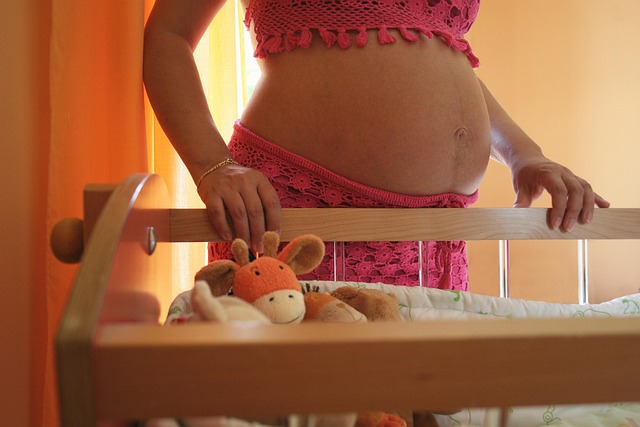
Navigating Endometriosis and Parenthood: The Benefits of Preconception Care
4. Plan for Pregnancy: Preconception care also involves planning for pregnancy and taking steps to ensure a healthy pregnancy. Women with endometriosis may need to consider alternative methods of conception, such as in vitro fertilization (IVF) or intrauterine insemination (IUI). Preconception care can help to prepare for these procedures and ensure the best possible outcome.
5. Address Mental and Emotional Health: Dealing with endometriosis can take a toll on a woman’s mental and emotional well-being. Preconception care can include counseling and support to address any anxiety, depression, or other mental health issues that may arise. This can be particularly beneficial for women with endometriosis who may also be dealing with the stress and uncertainty of trying to conceive.
In addition to these benefits, preconception care can also help women with endometriosis to feel more in control of their health and fertility. It allows them to take an active role in preparing for pregnancy and parenthood, rather than feeling like a victim to their condition.
So, what does preconception care for endometriosis involve? The first step is to consult with a healthcare provider who is knowledgeable about the condition and its impact on fertility and pregnancy. They can help to create a personalized preconception care plan that may include:
– Medications or hormonal therapy to manage symptoms and improve fertility
– Dietary and lifestyle changes to support overall health and well-being
– Psychological support and counseling
– Alternative therapies such as acupuncture or chiropractic care
– Fertility treatments, if needed
It’s important to note that preconception care is not a one-size-fits-all approach. Every woman with endometriosis may have different needs and challenges, and their preconception care plan should reflect that. It’s also crucial to start preconception care as early as possible, ideally six to 12 months before trying to conceive. This allows time to address any issues and make necessary adjustments to optimize health and fertility.
In conclusion, navigating endometriosis and parenthood can be challenging, but preconception care can offer numerous benefits for women with the condition. By addressing symptoms, improving fertility, reducing the risk of complications, and planning for pregnancy, preconception care can help women with endometriosis have a healthier and more successful journey to parenthood. If you have endometriosis and are considering starting a family, speak to your healthcare provider about preconception care and how it can benefit you.