Endometriosis is a common and often painful reproductive condition that affects millions of women worldwide. It occurs when the tissue that lines the uterus grows outside of the uterus, causing inflammation, scarring, and sometimes infertility. While many women are able to manage their symptoms with medication or surgery, those who are planning to conceive may need to take extra steps to optimize their fertility. In this blog post, we will discuss the importance of preconception care for women with endometriosis and how taking control of your fertility can improve your chances of getting pregnant.
Understanding Endometriosis and Its Impact on Fertility
Before diving into preconception care, it’s important to have a basic understanding of endometriosis and how it can affect fertility. Endometriosis is a chronic, inflammatory condition that is characterized by the growth of endometrial tissue outside of the uterus. This tissue can attach to organs in the pelvic area, causing pain, inflammation, and scarring. In some cases, endometriosis can also affect the function of the ovaries and fallopian tubes, making it more difficult for a woman to conceive.
According to the Endometriosis Foundation of America, endometriosis affects 1 in 10 women of reproductive age, yet it remains a highly underdiagnosed condition. Many women may experience symptoms such as painful periods, pelvic pain, and infertility, but may not know that they have endometriosis. This is why it’s important for women to be aware of their symptoms and seek medical attention if they suspect they may have endometriosis.
Preconception Care for Women with Endometriosis
Preconception care is a set of steps and measures that women can take before trying to conceive to optimize their reproductive health. For women with endometriosis, preconception care is especially important as it can help reduce the impact of the condition on fertility and increase the chances of a successful pregnancy. Here are some key steps to consider when planning for pregnancy with endometriosis:
1. Consult with a Specialist
The first step in preconception care is to consult with a specialist who has experience in treating endometriosis. This could be a gynecologist, reproductive endocrinologist, or fertility specialist. They will be able to assess the severity of your endometriosis and provide personalized recommendations for optimizing your fertility.
2. Manage Your Symptoms
Pain and inflammation caused by endometriosis can make it difficult to conceive. This is why it’s important to manage your symptoms before trying to get pregnant. Your doctor may prescribe medication to help control pain and inflammation, or they may recommend alternative treatments such as acupuncture or dietary changes. It’s important to find a treatment plan that works for you and helps you manage your symptoms effectively.
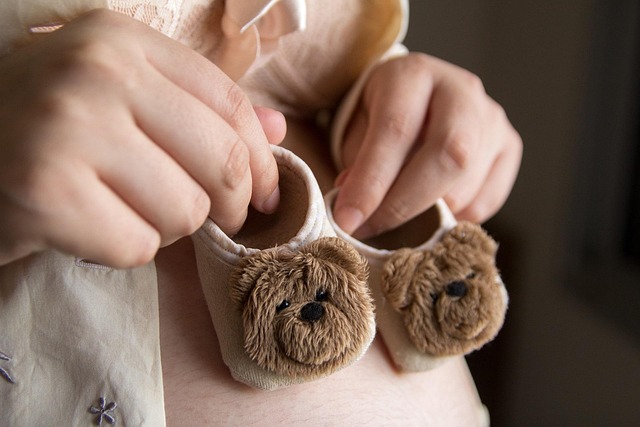
Taking Control of Your Fertility: Preconception Care for Women with Endometriosis
3. Consider Surgery
In some cases, surgery may be necessary to remove endometrial tissue and improve fertility. This could include laparoscopic surgery to remove scar tissue and endometrial implants, or in severe cases, a hysterectomy may be recommended. It’s important to discuss the risks and benefits of surgery with your doctor before making a decision.
4. Monitor Your Cycle
Tracking your menstrual cycle can help you determine the best time to try to conceive. Women with endometriosis may have irregular periods, making it more difficult to predict ovulation. Using methods such as tracking basal body temperature or using ovulation predictor kits can help pinpoint the most fertile days of your cycle.
5. Consider Fertility Treatments
If you have been trying to conceive for a year or more without success, it may be time to consider fertility treatments. In vitro fertilization (IVF) and other assisted reproductive technologies can help women with endometriosis overcome fertility challenges and increase their chances of getting pregnant.
Taking Control of Your Fertility
While endometriosis can make it more challenging to conceive, it’s important to remember that it doesn’t mean you can’t get pregnant. By taking control of your fertility and working closely with your doctor, you can increase your chances of a successful pregnancy.
Additionally, there are some lifestyle factors that women with endometriosis can consider to optimize their fertility. This includes maintaining a healthy weight, avoiding alcohol and smoking, and managing stress. These lifestyle choices can have a significant impact on your reproductive health and increase your chances of conceiving.
Summary:
Endometriosis is a common and often painful reproductive condition that affects 1 in 10 women. It can lead to inflammation, scarring, and infertility. For women with endometriosis who are planning to conceive, preconception care is crucial. This includes consulting with a specialist, managing symptoms, considering surgery, monitoring your cycle, and considering fertility treatments if necessary. By taking control of your fertility and making healthy lifestyle choices, women with endometriosis can increase their chances of getting pregnant and have a successful pregnancy.