Managing Endometriosis While Trying to Conceive: The Role of Preconception Care
Endometriosis is a common and often painful condition that affects women of reproductive age. It occurs when the tissue that lines the uterus (endometrium) grows outside of the uterus, typically on the ovaries, fallopian tubes, or in the pelvic cavity. This condition can cause a range of symptoms, including severe menstrual cramps, heavy periods, pain during intercourse, and infertility. In fact, it is estimated that up to 50% of women with endometriosis may experience difficulty getting pregnant. For women who are trying to conceive, managing endometriosis can be a challenging and overwhelming process. However, with proper preconception care, women with endometriosis can improve their chances of becoming pregnant and have a healthy pregnancy.
Endometriosis and Fertility
Endometriosis can affect fertility in several ways. The abnormal tissue growth can block or distort the fallopian tubes, making it difficult for an egg to travel from the ovaries to the uterus. It can also cause inflammation and scarring in the pelvic area, which can further interfere with conception. Additionally, endometriosis is often associated with hormonal imbalances, which can disrupt ovulation and make it harder to get pregnant.
The Role of Preconception Care
Preconception care is the process of taking steps to optimize your health before trying to conceive. For women with endometriosis, this can be especially important as it can help to address any underlying issues that may be contributing to fertility problems. Preconception care can also help to improve the overall health of the woman, which is essential for a successful pregnancy.
Here are some key elements of preconception care for women with endometriosis:
1. Consult with a Specialist
If you have been diagnosed with endometriosis and are planning to conceive, it is crucial to seek the advice of a fertility specialist. They can help to assess the severity of your condition and provide guidance on the best course of treatment. A specialist can also offer personalized recommendations for preconception care based on your individual needs.
2. Manage Pain and Inflammation
Pain and inflammation are common symptoms of endometriosis and can make it difficult to conceive. It is essential to manage these symptoms before trying to get pregnant. Your doctor may recommend pain relievers or anti-inflammatory medications to help ease discomfort. Other natural remedies, such as acupuncture or dietary changes, may also be beneficial in managing pain and inflammation.
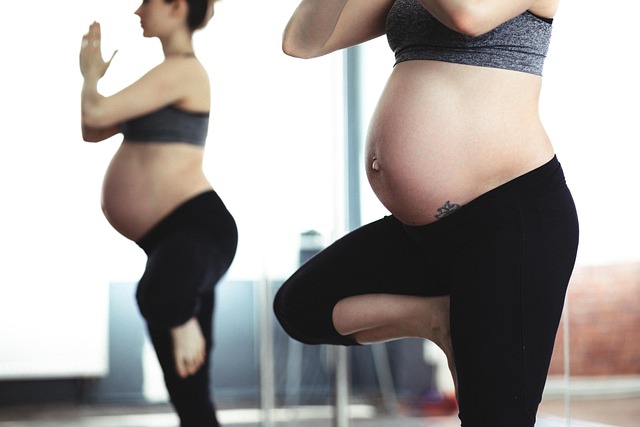
Managing Endometriosis While Trying to Conceive: The Role of Preconception Care
3. Balance Hormones
Hormonal imbalances can disrupt ovulation and make it harder to conceive. Therefore, it is vital to work with your doctor to find ways to balance your hormones before trying to get pregnant. This may involve taking certain medications or supplements, making lifestyle changes, or trying alternative therapies such as acupuncture or herbal remedies.
4. Improve Egg Quality
Endometriosis has been linked to poor egg quality, which can significantly impact fertility. However, there are steps you can take to improve egg quality, such as eating a healthy diet, taking supplements, and reducing stress. Your fertility specialist can help you create a plan to boost your egg quality and increase your chances of conceiving.
5. Address Nutritional Deficiencies
Women with endometriosis may have nutritional deficiencies that can affect fertility and overall health. For example, studies have shown that women with endometriosis may have lower levels of antioxidants and essential fatty acids, which play a crucial role in reproductive health. Your doctor may recommend supplements or dietary changes to address these deficiencies and improve your chances of getting pregnant.
6. Consider Surgery
In some cases, surgery may be necessary to manage endometriosis and improve fertility. Surgery can remove the endometrial tissue, scar tissue, and any other abnormalities that may be interfering with conception. It can also help to improve the overall health of the reproductive organs and create a more favorable environment for pregnancy.
7. Seek Emotional Support
Managing endometriosis while trying to conceive can be emotionally draining and challenging. It is essential to seek emotional support from loved ones, support groups, or a therapist. Talking about your feelings and experiences can help you cope with the challenges of endometriosis and the journey to conception.
In summary, managing endometriosis while trying to conceive requires a comprehensive approach that addresses both physical and emotional health. Preconception care plays a vital role in optimizing fertility and increasing the chances of a successful pregnancy. By consulting with a specialist, managing symptoms, balancing hormones, improving egg quality, addressing nutritional deficiencies, considering surgery, and seeking emotional support, women with endometriosis can take proactive steps towards achieving their dream of becoming parents. With patience, perseverance, and proper care, it is possible to manage endometriosis and have a healthy pregnancy.