Blog Post Summary:
Endometriosis is a common and often debilitating condition that affects many women, especially during their reproductive years. It occurs when the tissue that normally lines the inside of the uterus grows outside of it, causing pain, infertility, and other symptoms. For women who have endometriosis and are considering pregnancy, there are many challenges to navigate. However, with proper preconception care, the outcomes can be greatly improved.
The first step in navigating pregnancy with endometriosis is understanding the condition and its potential impact on pregnancy. Endometriosis can affect fertility in a variety of ways, including causing scar tissue, hormonal imbalances, and inflammation. It’s important for women to work with their healthcare providers to create a personalized treatment plan that addresses their specific symptoms and concerns.
In addition to managing endometriosis symptoms, preconception care can also focus on optimizing overall health and well-being. This can include making healthy lifestyle changes, such as maintaining a balanced diet, exercising regularly, and managing stress levels. These changes can not only improve fertility but also create a healthier environment for a developing baby.
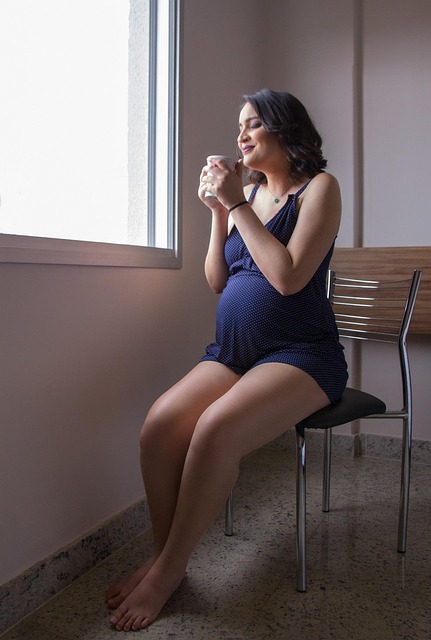
Navigating Pregnancy with Endometriosis: How Preconception Care Can Improve Outcomes
Another important aspect of preconception care for women with endometriosis is addressing any potential complications and risks. Women with endometriosis have a higher risk of certain pregnancy complications, such as ectopic pregnancy, preterm labor, and cesarean section. By identifying and addressing these risks early on, healthcare providers can work with their patients to develop a plan that reduces these risks and promotes a safe and healthy pregnancy.
For women with endometriosis, it’s also crucial to find the right healthcare team. This may include a fertility specialist, an obstetrician, and a pelvic pain specialist. These professionals can work together to create a comprehensive care plan that addresses all aspects of endometriosis and pregnancy. It’s important for women to feel supported and informed throughout their pregnancy journey, and having a knowledgeable and experienced healthcare team can make all the difference.
In addition to medical care, emotional support is also essential for women with endometriosis during pregnancy. The physical and emotional toll of endometriosis can be overwhelming, and pregnancy can bring about many new challenges and emotions. It’s important for women to seek out support from loved ones, support groups, and mental health professionals to help them cope with any difficulties that may arise.
In conclusion, navigating pregnancy with endometriosis can be challenging, but with proper preconception care, the outcomes can be greatly improved. By understanding the condition, focusing on overall health and well-being, addressing potential complications, finding the right healthcare team, and seeking emotional support, women with endometriosis can have a safe and successful pregnancy journey.