Blog Post:
Endometriosis is a chronic condition that affects approximately 1 in 10 women of reproductive age. It occurs when the tissue that normally lines the uterus, called the endometrium, grows outside of the uterus. This can lead to a range of symptoms including severe pelvic pain, heavy periods, and infertility. For women with endometriosis who are hoping to conceive, the journey can be difficult and often filled with challenges. However, with proper preconception care, there are steps that can be taken to improve outcomes for both mother and baby.
Understanding the Impact of Endometriosis on Pregnancy
Endometriosis can greatly impact fertility and pregnancy in various ways. The abnormal growth of endometrial tissue can cause scarring and inflammation in the reproductive organs, making it difficult for sperm to reach and fertilize an egg. In addition, hormonal imbalances caused by endometriosis can interfere with ovulation and the development of a healthy uterine lining, which is essential for implantation and a successful pregnancy.
For women who do become pregnant with endometriosis, there are increased risks for complications such as miscarriage, ectopic pregnancy, preterm labor, and cesarean section. The severity of endometriosis and the location of the abnormal tissue can also play a role in the degree of impact on pregnancy.
Preconception Care for Women with Endometriosis
The first step towards improving outcomes for women with endometriosis who are hoping to conceive is seeking preconception care. This involves working closely with a healthcare provider to identify and address any potential issues that may affect fertility and pregnancy. This may include managing pain and inflammation, regulating hormone levels, and optimizing overall health.
Pain Management: Endometriosis can cause severe pelvic pain, which can impact fertility and make it difficult for women to conceive. Therefore, it is important to work with a healthcare provider to manage pain and reduce inflammation through various methods such as medication, physical therapy, and alternative therapies like acupuncture.
Regulating Hormone Levels: As endometriosis is an estrogen-dependent condition, hormonal imbalances can greatly impact fertility and pregnancy. It is essential to work with a healthcare provider to regulate hormone levels, which may involve birth control pills or other medications to suppress estrogen production and reduce the growth of endometrial tissue.
Optimizing Overall Health: Good overall health is key to a successful pregnancy, and this is especially true for women with endometriosis. This may involve addressing any underlying conditions such as thyroid disorders or polycystic ovary syndrome (PCOS), which can affect fertility. It also includes maintaining a healthy weight, eating a well-balanced diet, and incorporating regular exercise into daily routine.
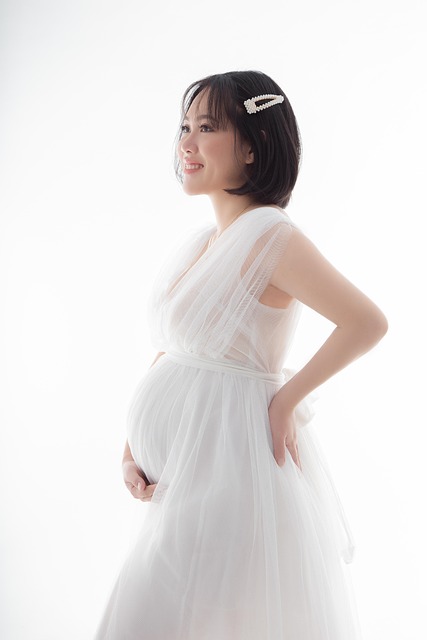
Endometriosis and Pregnancy: How Preconception Care Can Improve Outcomes
Alternative and Complementary Therapies: In addition to traditional medical treatments, there are alternative and complementary therapies that may help improve outcomes for women with endometriosis. These include acupuncture, herbal remedies, and mind-body practices like yoga and meditation. It is important to consult with a healthcare provider before trying any alternative therapies, as some may not be safe during pregnancy.
The Role of Surgery in Preconception Care
For some women with endometriosis, surgery may be necessary to remove abnormal tissue and improve fertility. This may involve minimally invasive procedures such as laparoscopy, which can help remove scar tissue, endometrial implants, and cysts. In some cases, a more extensive surgery called laparotomy may be needed to remove deeply embedded endometrial tissue.
Surgery can also play a role in preconception care for women with endometriosis. By removing any abnormal tissue and reducing inflammation, surgery can improve the chances of conceiving naturally. It can also increase the chances of success with assisted reproductive technologies like in vitro fertilization (IVF). However, it is important to consult with a healthcare provider to determine the best course of action for individual cases.
Supporting a Healthy Pregnancy with Endometriosis
Once pregnancy is achieved, it is important to continue working closely with a healthcare provider to monitor the health of both mother and baby. Women with endometriosis may require more frequent prenatal appointments and additional testing to ensure the pregnancy is progressing well. It is also important to continue managing pain and inflammation, as well as any other symptoms that may arise.
In addition, women with endometriosis may have a higher risk of developing complications during pregnancy, such as preeclampsia and gestational diabetes. Therefore, it is crucial to follow a healthy lifestyle, which includes eating a balanced diet, staying physically active, and getting enough rest.
Conclusion
Endometriosis can be a challenging condition for women who are trying to conceive. However, with proper preconception care, there are steps that can be taken to improve outcomes for both mother and baby. By managing pain and inflammation, regulating hormone levels, optimizing overall health, and potentially undergoing surgery, women with endometriosis can increase their chances of achieving a healthy pregnancy. It is important to work closely with a healthcare provider to develop an individualized plan for preconception care that meets the unique needs of each woman.
Summary:
Endometriosis is a chronic condition that affects 1 in 10 women of reproductive age and can greatly impact fertility and pregnancy. With proper preconception care, women with endometriosis can improve outcomes for both mother and baby. This includes managing pain and inflammation, regulating hormone levels, optimizing overall health, and potentially undergoing surgery. Alternative and complementary therapies can also be beneficial. Once pregnant, it is important to continue working closely with a healthcare provider to monitor the health of both mother and baby. A healthy lifestyle is crucial for a successful pregnancy for women with endometriosis.