Preparing for Pregnancy: A Guide to Preconception Care for Endometriosis Patients
For women with endometriosis, the thought of getting pregnant can be both exciting and daunting. Endometriosis is a chronic condition where the tissue that normally lines the uterus grows outside of it, causing pain, inflammation, and scarring. This can make conception and pregnancy more challenging, but with proper preconception care, it is possible for women with endometriosis to have a successful pregnancy. In this blog post, we will discuss the importance of preconception care for endometriosis patients and provide a comprehensive guide for preparing for pregnancy.
Why Preconception Care is Important for Endometriosis Patients
Preconception care is essential for all women who are planning to get pregnant, but it is especially important for women with endometriosis. This is because endometriosis can affect fertility in several ways:
1. Hormonal Imbalances: Endometriosis causes an imbalance in reproductive hormones, which can affect ovulation and the ability to conceive.
2. Adhesions and Scar Tissue: The growth of endometrial tissue outside of the uterus can lead to scarring and adhesions in the reproductive organs, making it difficult for sperm to reach the egg or for a fertilized egg to implant in the uterus.
3. Inflammation: Endometriosis is a condition that causes inflammation in the reproductive system, which can interfere with the implantation of a fertilized egg.
4. Pelvic Pain: The pain caused by endometriosis can make sexual intercourse uncomfortable, which can affect a couple’s ability to conceive.
By addressing these issues before trying to conceive, women with endometriosis can increase their chances of getting pregnant and having a healthy pregnancy.
Preparing for Pregnancy: A Comprehensive Guide
1. Seek Treatment for Endometriosis
The first step in preparing for pregnancy with endometriosis is to seek treatment for the condition. This may include medications, hormonal treatments, or surgery, depending on the severity of the case. It is important to work closely with a healthcare provider who specializes in treating endometriosis to develop a treatment plan that is right for you.
2. Maintain a Healthy Weight
Being overweight or underweight can affect fertility and increase the risk of pregnancy complications. Women with endometriosis should aim to maintain a healthy weight before trying to conceive. This can be achieved through a balanced diet and regular exercise.
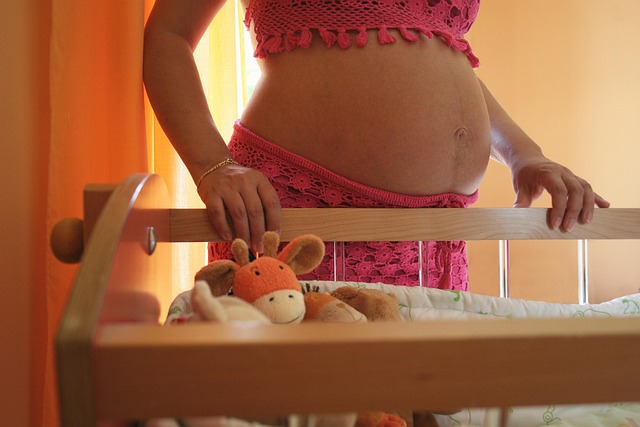
Preparing for Pregnancy: A Guide to Preconception Care for Endometriosis Patients
3. Address Nutritional Deficiencies
Endometriosis can cause inflammation and nutrient deficiencies in the body, which can affect fertility and pregnancy. It is important to address these deficiencies before trying to conceive. A healthcare provider may recommend supplements or dietary changes to ensure that the body has all the necessary nutrients for a healthy pregnancy.
4. Quit Smoking and Limit Alcohol Intake
Smoking and excessive alcohol consumption can negatively impact fertility and increase the risk of complications during pregnancy. It is important for women with endometriosis to quit smoking and limit their alcohol intake before trying to conceive.
5. Manage Stress
Stress can worsen the symptoms of endometriosis and affect fertility. It is important for women with endometriosis to find ways to manage stress before trying to conceive. This may include relaxation techniques such as yoga, meditation, or counseling.
6. Understand Your Ovulation Cycle
Tracking your ovulation cycle can greatly increase your chances of getting pregnant. Women with endometriosis may have irregular periods, making it more difficult to predict ovulation. There are several methods for tracking ovulation, including ovulation predictor kits, basal body temperature tracking, and monitoring cervical mucus changes.
7. Consider Fertility Treatments
If natural conception is not successful, women with endometriosis may consider fertility treatments such as intrauterine insemination (IUI) or in vitro fertilization (IVF). It is important to discuss these options with a healthcare provider and to fully understand the risks and success rates associated with each treatment.
8. Monitor Symptoms During Pregnancy
Pregnancy can actually improve symptoms of endometriosis for some women, as the condition is hormone-dependent. However, it is important to continue monitoring symptoms and discussing any changes with a healthcare provider. Some women may experience a return of symptoms during pregnancy, while others may see a complete remission.
9. Prepare for Labor and Delivery
Pregnancy with endometriosis may come with some unique challenges, but with proper preparation, a successful delivery is still possible. It is important to work with a healthcare provider to develop a birth plan that takes into account any potential complications or risks associated with endometriosis.
In summary, preconception care is crucial for women with endometriosis who are planning to get pregnant. By addressing the underlying issues and preparing both physically and mentally, women with endometriosis can increase their chances of having a successful pregnancy and healthy baby. It is important to work closely with a healthcare provider throughout the process and to never lose hope.