Fertility First: Preparing for Conception After Long-Term Birth Control Use
When it comes to planning for a family, many women may find themselves facing the challenge of trying to conceive after long-term use of birth control. While birth control has been a reliable method of preventing pregnancy for many years, it can also have an impact on a woman’s fertility when she is ready to start a family. This is why it is important to take steps to prepare for conception after long-term birth control use, and to prioritize fertility first.
First and foremost, it is important to understand the effects that birth control can have on a woman’s body and fertility. Birth control works by preventing ovulation, which is the release of an egg from the ovaries. This means that while on birth control, a woman’s ovaries are not producing eggs, and her menstrual cycle is regulated by the hormones in the birth control. This can cause a delay in the return to regular ovulation after stopping birth control, and can also affect the quality of the eggs produced.
The type of birth control used can also have an impact on fertility. Hormonal birth control methods, such as the pill, patch, or injection, can take longer to wear off and for a woman’s body to return to its natural hormone levels. This can delay ovulation and make it more difficult to conceive. Intrauterine devices (IUDs) also have an effect on fertility, as they can cause inflammation in the uterus and affect the environment for a fertilized egg to implant.
But fear not, there are steps that can be taken to prepare for conception after long-term birth control use. The first step is to consult with a healthcare provider. They can provide guidance on how long it may take for a woman’s body to return to its natural ovulation cycle, and can also perform tests to check for any underlying fertility issues that may need to be addressed.
In addition to seeking professional guidance, there are also lifestyle changes that can help to prepare for conception. One important factor is nutrition. A well-balanced diet that includes plenty of fruits, vegetables, lean proteins, and healthy fats can provide the necessary nutrients for a woman’s body to prepare for pregnancy. This includes foods rich in folic acid, which is essential for fetal development.
Fertility First: Preparing for Conception After Long-Term Birth Control Use
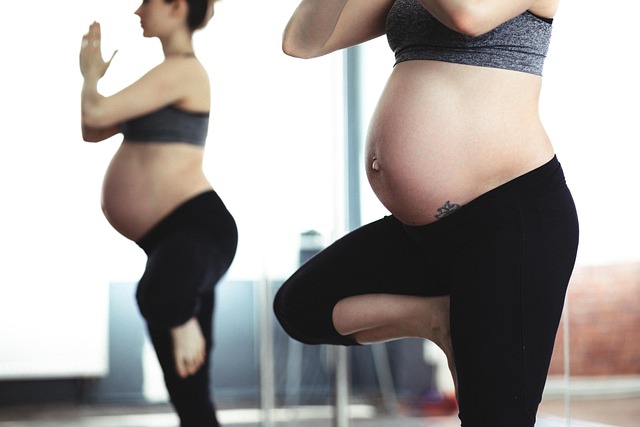
Exercise is also important for preparing for conception. Regular physical activity can help to regulate hormone levels, improve circulation, and reduce stress. Aim for 30 minutes of moderate exercise, such as brisk walking or yoga, at least five days a week.
Managing stress is crucial for overall health and fertility. Stress can disrupt hormone levels and make it more difficult to conceive. Finding ways to relax and reduce stress, such as meditation, yoga, or spending time with loved ones, can be beneficial for both physical and emotional well-being.
While preparing for conception after long-term birth control use, it is important to also consider any underlying medical conditions that may affect fertility. Conditions such as polycystic ovary syndrome (PCOS) or endometriosis can make it more difficult to conceive and may require treatment. It is important to address these conditions with a healthcare provider before trying to conceive.
In some cases, a healthcare provider may recommend fertility treatments to improve the chances of conceiving after long-term birth control use. These treatments may include ovulation induction, in vitro fertilization (IVF), or other assisted reproductive techniques. It is important to discuss the potential risks and benefits of these treatments with a healthcare provider.
It is also important to note that every woman’s body is different and there is no one-size-fits-all approach to preparing for conception after long-term birth control use. It may take some time for a woman’s body to regulate itself after stopping birth control, and it is important to be patient and not get discouraged. Remember to prioritize fertility first and take the necessary steps to prepare for a healthy pregnancy and baby.
In summary, preparing for conception after long-term birth control use requires understanding the effects of birth control on fertility, seeking guidance from a healthcare provider, making lifestyle changes to support fertility, addressing any underlying medical conditions, and being open to fertility treatments if necessary. By prioritizing fertility first, women can increase their chances of successfully conceiving and having a healthy pregnancy. Remember to be patient and take care of both physical and emotional well-being during this process.